Blog
Sourcing guides for power & connectivity buyers.
Practical guides for procurement teams — reading a spec, vetting a supplier, and managing country of origin and lead time.
Blog
Practical guides for procurement teams — reading a spec, vetting a supplier, and managing country of origin and lead time.
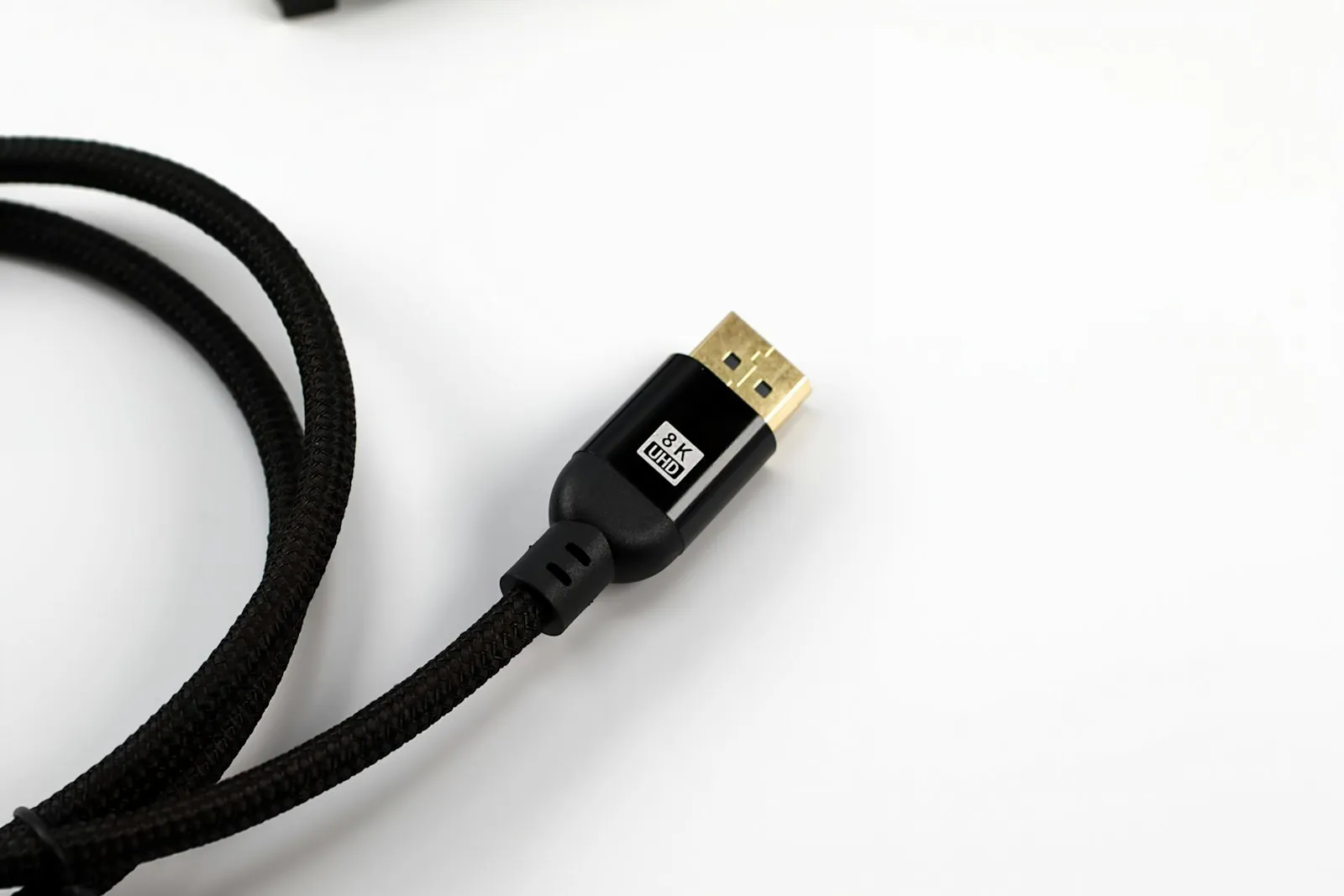
What overmolding buys you, when a backshell is the smarter call, injection versus low-pressure molding, and the tooling math that decides whether it pays.
Read →The standardized system behind a building network — its six subsystems, the TIA-568 rules that make it testable, and how to source the cable and components a job is built from.
Read →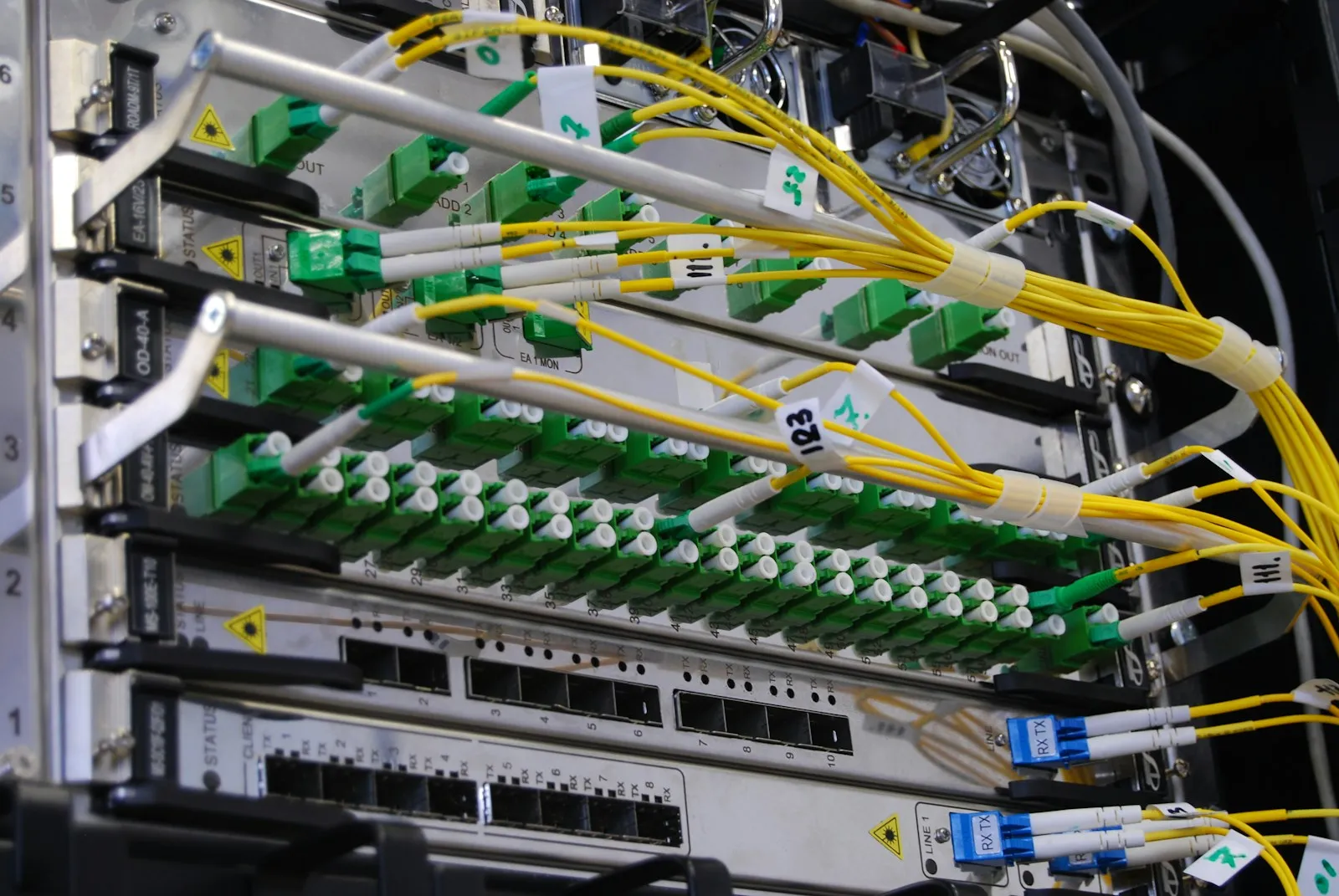
Why "fiber optic cable manufacturer" means two very different companies, which one a data center actually needs, and the termination, test, and origin proof to demand before you buy.
Read →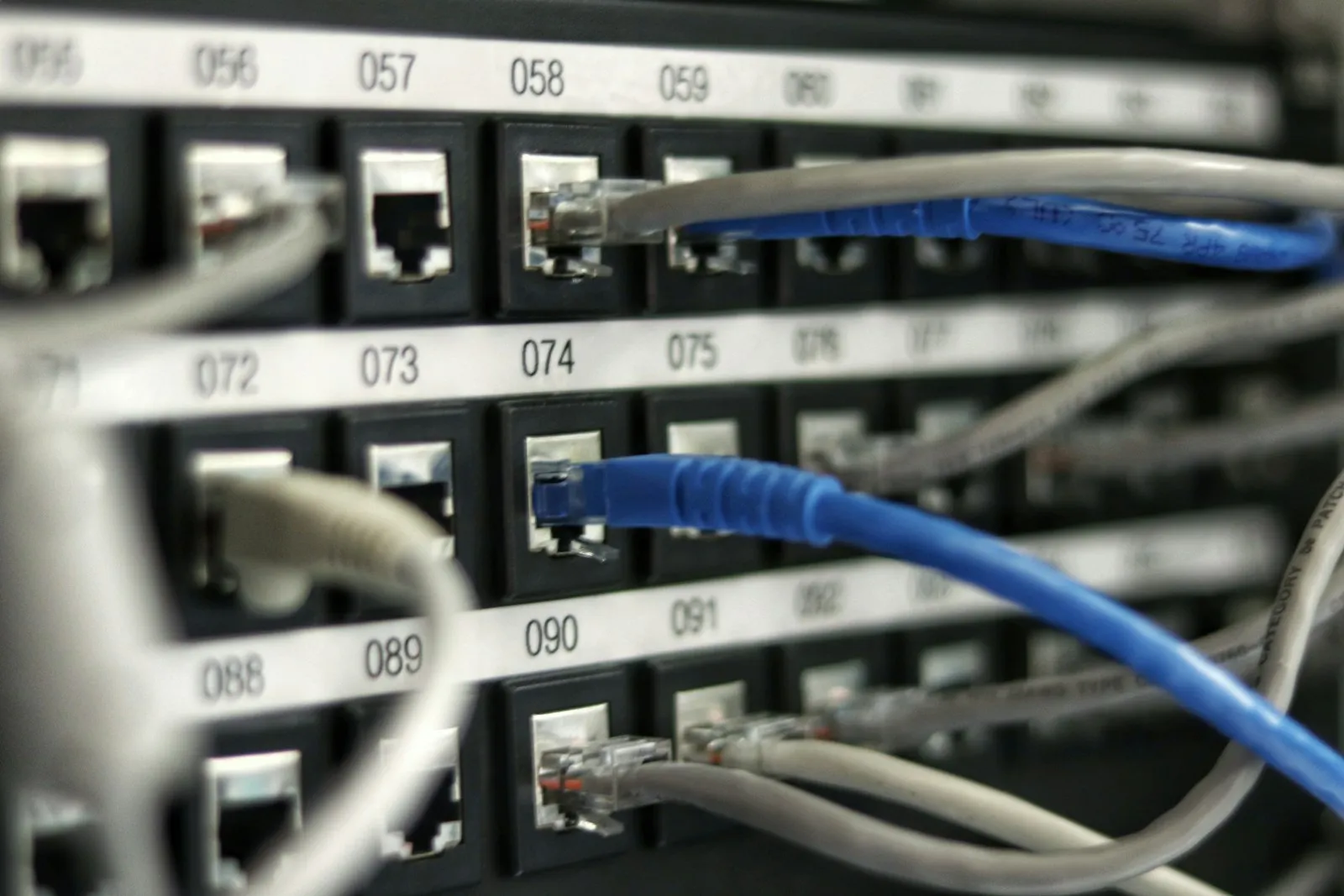
Why the fraud in Ethernet cable is inside the jacket, how to read a UL fire listing that actually means something, and the test report to demand before a bulk or patch-cord PO.
Read →
The C13 tops out long before a modern rack does. What the C19/C20 couplers actually carry, the gauge the copper has to be, the four cord configurations that cover most racks, and how to spec them without over- or under-buying.
Read →
Every appliance coupler in the standard, what each one is actually rated for on both sides of the Atlantic, and the two spec traps that put the wrong cord in a rack.
Read →
Copper gauge, polarity, a 12.5 A heat soak, and every certification file number run through the registries — with tools you can buy for under $100. The copper was honest. The paperwork split down the middle.
Read →
The six choices that define a custom fiber assembly, why 400G and 800G changed the trunk, and the loss, test, and origin specs to lock before you send a fiber drawing out to quote.
Read →
What separates a power cord manufacturer from a relabeler, the certifications and cordage specs that actually decide the buy, and the documents to demand before you place an order.
Read →