
Quick answer
A real power adapter manufacturer can hand you a full engineering spec sheet — input, inrush, no-load power, ripple, hold-up, protection thresholds, EMC levels, leakage, and a revision history — plus a 100% hi-pot production test and the UL file in its own name. A trading company forwards a one-page datasheet. Kestner builds desktop and wall-mount adapters to spec in its own factories, to UL 62368-1 and DoE Level VI.
The short version
- Most results for "power adapter manufacturer" are trading companies. Ask for the engineering spec sheet, not the datasheet — a factory has one for every model it builds; a trader does not.
- A real spec sheet states numbers: no-load power, inrush, ripple, hold-up time, the OVP/OCP thresholds, the IEC 61000-4 immunity levels, and leakage current.
- Look for a revision history. A factory that controls the bill of materials updates the sheet by engineering change notice before a part changes; a trader cannot.
- For the US, an external adapter needs UL/cUL 62368-1, DoE Level VI efficiency, and FCC Part 15 — with the file and the test report in the maker's own name.
- OEM and private-label builds (your voltage, cable, connector, housing color, logo) are routine for a factory; a custom housing means tooling, which a factory quotes before you commit.
Search “power adapter manufacturer” and most of what comes back is not a manufacturer. It is a trading company with a factory photo, a catalog of models it does not build, and a UL mark that belongs to someone else. On a quiet reorder that may never matter. On an OEM program — your voltage, your connector, your logo, a device that has to pass its own certification — it matters the first time something changes and nobody on the other end can say what. The quickest way to tell the two apart is not a factory tour. It is one document: the engineering spec sheet. Here is what a real one contains, what a trader sends instead, and what else to check before you place an OEM adapter order.
The spec-sheet test
BLUF: ask for the engineering specification sheet for the exact model you are buying. A factory has one for every adapter it builds, because it is the document its own line tests against. A trading company has a datasheet — a single page of headline numbers copied from its supplier.
| Section | Factory spec sheet | Trader datasheet |
|---|---|---|
| Input | Range, frequency, inrush limit, no-load power | ”100–240 V” |
| Output | Regulation, ripple & noise, turn-on delay, hold-up time | ”12 V 2 A” |
| Protections | OVP / OCP / SCP thresholds and recovery behavior | ”Full protection” |
| EMC | Immunity levels to IEC 61000-4-2, -3, -4, -5, -6, -11 | ”CE, FCC” |
| Safety | Leakage current, hi-pot, insulation resistance | ”UL” |
| Mechanical | Dimensioned drawing, cable, connector, label | A product photo |
| Control | Revision history with engineering change notices | None |
The right-hand column is not wrong, just empty. “Full protection” and “UL” describe a category; the left-hand column describes the unit you will receive. A supplier who cannot fill it in for the exact model is quoting someone else’s engineering.
What the numbers should look like
A spec sheet only helps if you know what good looks like. For a small external adapter — a 24 W, 12 V wall-mount unit from our own line, as the worked example — the figures that matter read like this:
- No-load power under 0.1 W and average active efficiency around 86% at 115 Vac — the DoE Level VI floor for an external supply sold in the US.
- Ripple and noise at or below 200 mV, line regulation within ±1%, load regulation within ±5%.
- Hold-up time of at least 10 ms at full load, so a brief mains dip does not reset the device.
- Inrush capped (here 50 A at 132 Vac, cold start) so it does not trip the upstream breaker.
- OVP set below 18 V on the 12 V rail, OCP at the rated maximum with automatic recovery, and short-circuit protection that is self-limiting.
- ESD immunity of ±8 kV air / ±4 kV contact (IEC 61000-4-2), with surge and fast-transient levels stated, and leakage current at or below 0.25 mA.
The exact figures move with the wattage and the design; the point is that a manufacturer states them and tests to them. The full parameter set, with why each matters, is in the custom power supply sourcing guide.
Factory or trading company: the other tells
The spec sheet is the fastest test, and four others confirm it:
- Whose name is on the UL file. An external adapter sold in the US needs a UL or cUL listing to UL 62368-1. Ask for the file number and check whose company it lists; a trader’s answer is someone else’s.
- Who answers the engineering question. Ask for the inrush on a specific model, or what changes if you move from a 12 V to a 24 V rail. A factory engineer answers on the call; a trader answers in two days, after asking their supplier.
- What the production test is. Every unit should be 100% hi-pot tested and run through a load or burn-in test before it is packed — not sampled from a lot.
- Whether origin is a choice. A maker with lines in more than one country can build the same model to the same file in either, and document which. A trader usually cannot tell you where the unit was actually made.
OEM and private label: what a factory quotes
For an OEM or private-label program, a factory builds to your output voltage and current, cable gauge and length, DC connector, housing color, and logo as ordinary line work. The decision that moves cost and lead time is the housing: a standard housing uses tooling that already exists; a custom shape needs a new mold, which is a one-time tooling charge and some weeks of lead time. A factory quotes the tooling, the per-unit price, and the lead time separately, before you commit, so you can see what the custom housing actually costs.
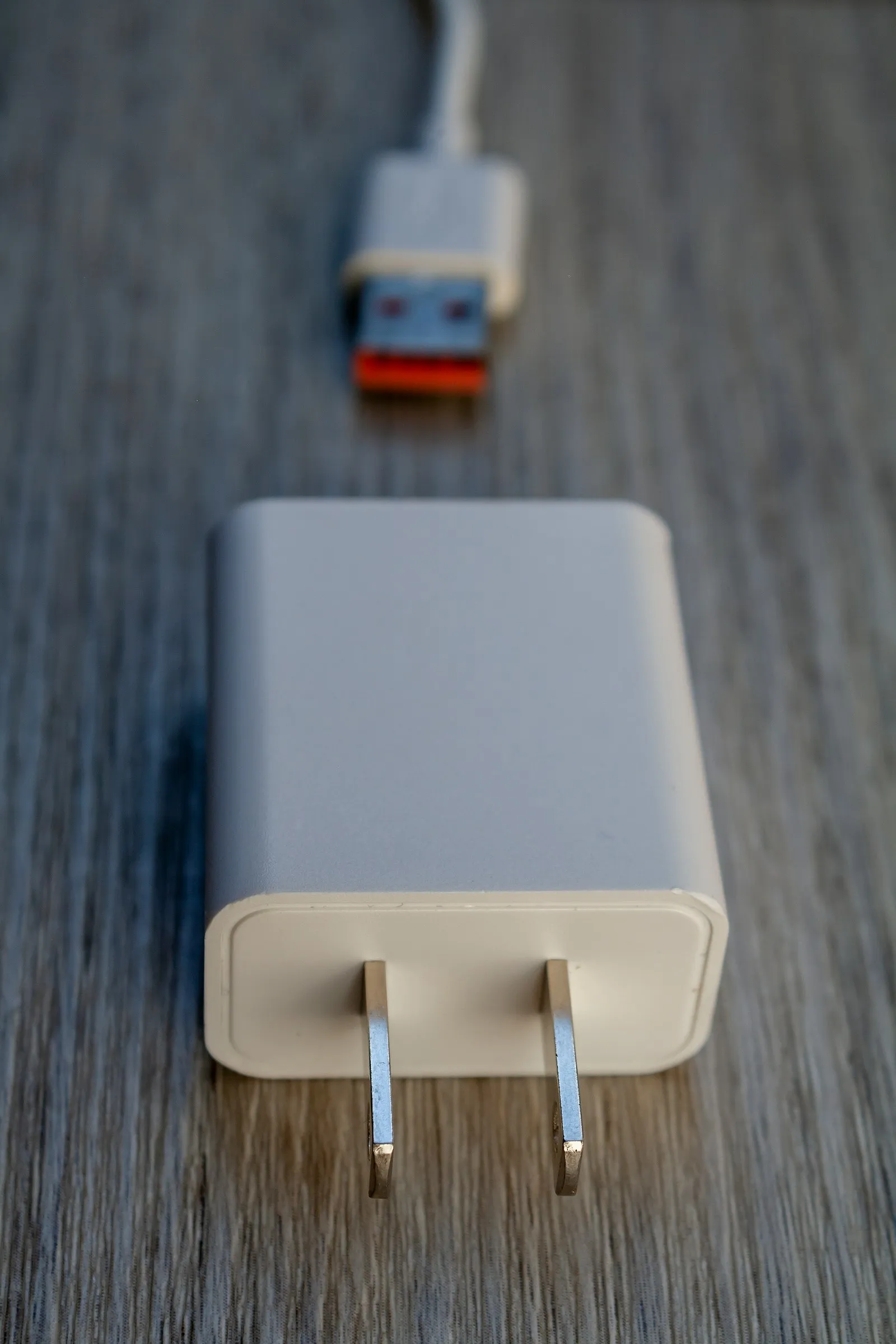
Certification comes with the program. An adapter built under the maker’s UL 62368-1 file, tested to DoE Level VI and FCC Part 15, carries its paperwork into your device’s own certification. Medical devices need IEC 60601-1 instead, and each export market adds its own mark — name them at the RFQ, because they change the design.
Where it is built, and what it costs to land
The last decision is origin, and it usually moves landed cost more than the unit price. Power adapters sit under HTS heading 8504.40, and the China Section 301 layer is what a genuine Vietnam origin avoids — the same model, the same file, a different duty stack. The current rates and the landed-cost math are in the China vs Vietnam comparison; the rule to hold a supplier to is that the origin is documented per unit and survives a customs entry.
Kestner builds desktop adapters from 3 to 250 W and wall-mount adapters from 5 to 65 W in its own factories in China and Vietnam, to your voltage, cable, connector, housing, and logo, under a UL 62368-1 file and a DoE Level VI test. Send the output and the device, and we will send back a spec sheet — not a datasheet.
Frequently asked
How do I tell a power adapter manufacturer from a trading company?
Ask for the engineering spec sheet for the exact model, the UL file number, and the production-test record. A factory issues a multi-page spec sheet with measured limits, a revision history, and its own UL file, and 100% hi-pot tests every unit on its line. A trading company forwards a one-page datasheet, points to someone else's file, and has to go back to its supplier for every technical answer.
What should a power adapter spec sheet include?
Input voltage range and frequency, inrush current, no-load power, output regulation, ripple and noise, turn-on delay and hold-up time, efficiency (DoE Level VI for the US), over-voltage, over-current and short-circuit protection with their thresholds and recovery behavior, EMC immunity levels to the IEC 61000-4 series, leakage current, hi-pot and insulation, environment, the mechanical drawing, the label, and a revision history.
What certifications does a power adapter need to sell in the US?
A UL or cUL listing to UL 62368-1 for safety, DoE Level VI for external power-supply efficiency (no-load power and average active efficiency), and FCC Part 15 for emissions. Medical devices need IEC 60601-1 instead of 62368-1, and each export market adds its own mark (CE/UKCA, PSE, KC, CCC, BIS).
Can a power adapter manufacturer do OEM or private-label adapters?
Yes — a factory builds to your output voltage, cable gauge and length, DC connector, housing color, and logo as a matter of course. A standard housing keeps cost and lead time down; a custom housing needs a mold, which is a one-time tooling charge a factory should quote before you commit.
Should I buy power adapters made in China or Vietnam?
Both can be built to the same spec and the same UL file; the difference is the duty stack at entry. Power adapters sit under HTS heading 8504.40, and the China Section 301 layer is what a genuine Vietnam origin avoids. See the China vs Vietnam comparison for the current rates, and ask for per-unit origin records that survive a customs entry.
Sources
- Safety of audio/video, IT and power equipmentUL 62368-1
- External power supply efficiency (Level VI)U.S. DoE 10 CFR 430
- Radio-frequency emissions for electronic devicesFCC 47 CFR Part 15
- Electromagnetic compatibility — immunity test seriesIEC 61000-4
- Country-of-origin marking and entry treatmentUS Customs & Border Protection
More in this cluster
Products in this line
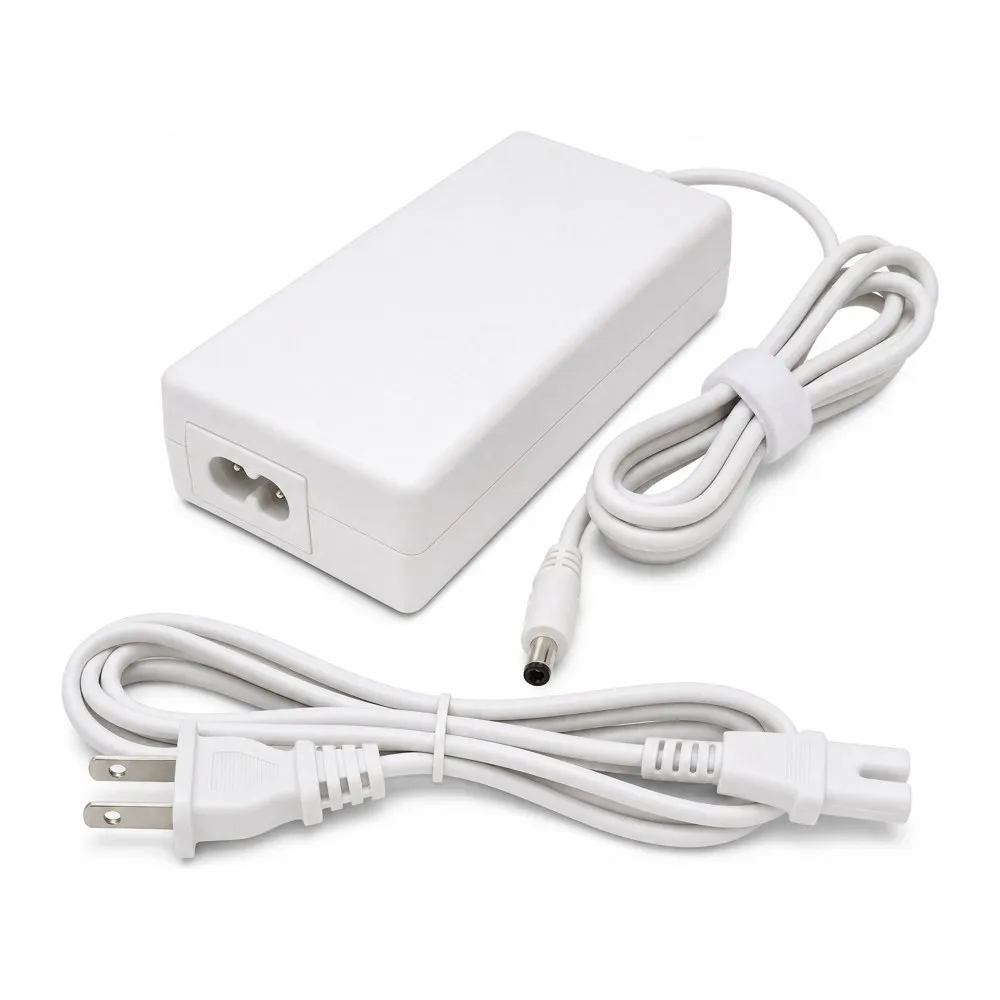 Desktop power adapters3 to 250 W to your drawing, single or multi-rail, UL/cUL 62368-1 and DoE Level VI — your voltage, cable, connector, color, and logo.View →
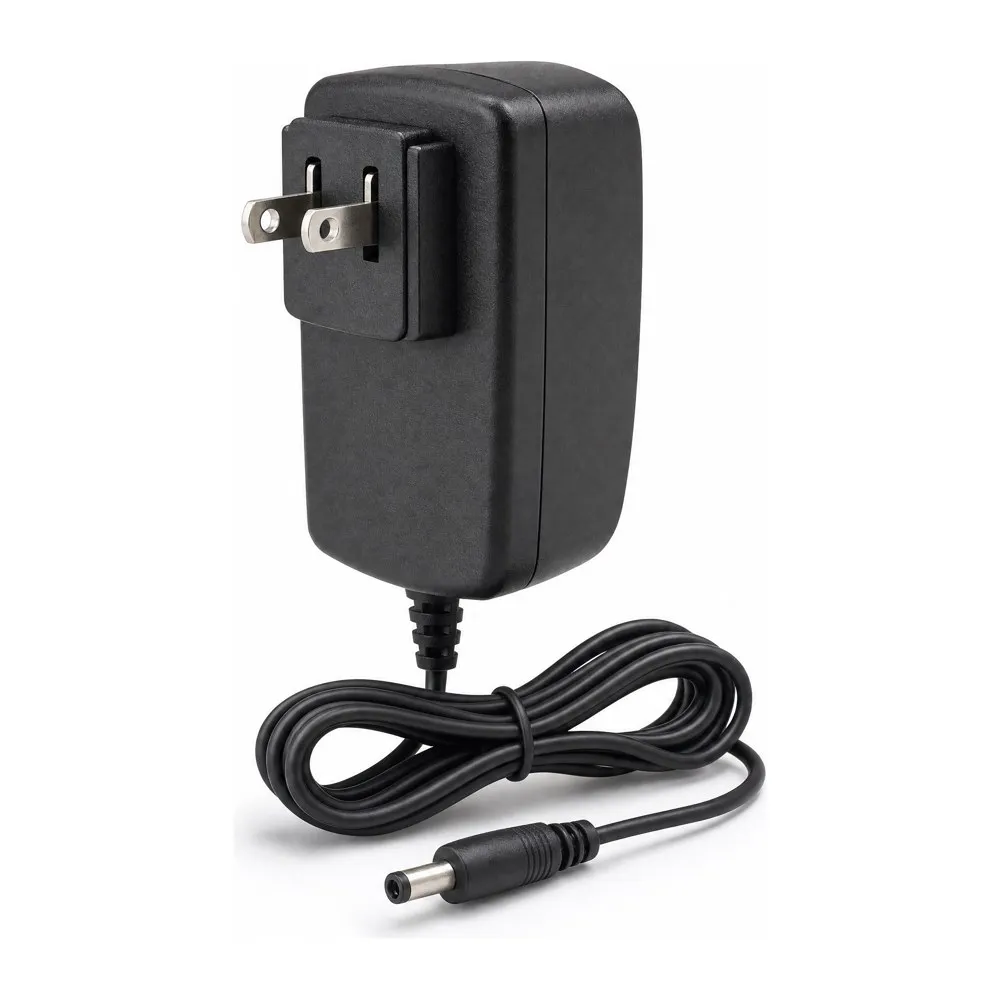 Wall-mount power adapters5 to 65 W plug-in adapters with the plug standard, agency marks, and efficiency you name, origin-documented.View →Custom & OEM power suppliesAC/DC supplies built to your output, form factor, and approvals, with tooling quoted before commitment.View →
Ready to source this to spec?
Kestner is a US company that builds desktop and wall-mount power adapters in its own factories in China and Vietnam — to your voltage, cable, connector, housing, and logo, under a UL 62368-1 file and a DoE Level VI test, every unit hi-pot tested, with the engineering spec sheet and the origin record in hand. Send the output and the device and we will send back a spec sheet, not a datasheet.
Request a quote