Quick answer
Structured cabling is a standardized, modular cabling system for a building or data center — built from six subsystems and specified to the ANSI/TIA-568 standard so every link is testable and interchangeable, instead of ad-hoc point-to-point wiring. The components are copper (Cat6/Cat6A), fiber, and patch cords. Kestner manufactures those components to TIA-568 and tests them; the design and install are a separate trade.
The short version
- Structured cabling is a system, not a cable — a standardized set of six subsystems that makes moves, adds, and changes cheap and every link testable.
- It is defined by ANSI/TIA-568 (and ISO/IEC 11801), which is why a certified link is portable across vendors and installers.
- Horizontal copper is capped at a 90 m permanent link plus up to 10 m of cords — the 100 m channel — and Cat6A carries 10G across it.
- The three media are twisted-pair copper, optical fiber, and (legacy) coax — copper to the desk, fiber on the backbone.
- A channel is only as good as its worst component, so source cable and patch cords tested to TIA-568 with the fire rating and origin documented.
Structured cabling is not a kind of cable — it is a system. It is the difference between a network wired to a published standard, where any link can be tested and any device moved in minutes, and a closet full of hand-run patch cables that only the person who installed them understands. The system is defined by the ANSI/TIA-568 standard, it is built from six subsystems, and it is what every enterprise and data-center network is supposed to be underneath. This guide explains what it is, the standard that governs it, the media it uses, and — since that is our part — how to source the cable and components a job is built from.
What structured cabling is, and why it beats point-to-point
BLUF: structured cabling replaces ad-hoc, device-to-device wiring with a standardized, modular hierarchy, so the network is documented, testable, and cheap to change. In a point-to-point build, every run is its own decision and every move means tracing a cable by hand. In a structured system, horizontal runs terminate on patch panels, patch cords make the connections, and a change is a patch-cord move — not a new cable pull.
The payoff is operational, not cosmetic:
- Moves, adds, and changes become patch-panel work instead of re-cabling.
- Fault isolation is fast because every link is a documented, testable segment.
- Vendor independence — a link certified to the standard works with any compliant gear, so you are not locked to one manufacturer.
- Service life — a system installed to today’s category carries several equipment generations before the cable is the limit.
The six subsystems
The TIA-568 model breaks the system into six parts. Knowing them is how a bill of materials, a drawing, and a bid all line up.
| Subsystem | What it is |
|---|---|
| Entrance facilities | Where outside services enter the building — the demarcation point |
| Equipment room | Core electronics and the main cross-connect |
| Backbone cabling | The vertical / riser runs tying the equipment room to the telecom rooms — usually fiber |
| Telecommunications room | The floor closet: patch panels and the horizontal cross-connect |
| Horizontal cabling | The runs from the telecom room out to each work-area outlet |
| Work area | The outlets and the patch cords to the devices |
This is the classic “six components” of structured cabling. The one most buyers touch is horizontal cabling — the copper to the desk — and the work area cords, because those are the volume line items and where cable quality is won or lost.
The standard: TIA-568, permanent link, and channel
BLUF: structured cabling is testable because ANSI/TIA-568 (and its ISO/IEC equivalent, ISO/IEC 11801) define exactly what a compliant link is and how to measure it. That is what lets an installer hand you a certification report and a manufacturer guarantee performance.
Two test models matter when you spec and accept a job:
- Permanent link — the fixed horizontal cabling in the wall, up to 90 m, tested without patch cords. This is what the cable manufacturer and the installer are responsible for.
- Channel — the whole path the device sees, including the patch cords at both ends, up to 100 m total (the 90 m link plus up to 10 m of cords).
The rule that follows from this is the one that governs sourcing: a channel is only as good as its worst component. A perfect permanent link certified with a cheap, out-of-spec patch cord fails as a channel. Category matters here too — Cat6A carries 10G across the full 100 m channel where Cat6 only reaches about 55 m at 10G. The full category comparison covers which to spec.
The three media: copper, fiber, coax
Structured cabling uses three cabling media, and a modern job is mostly the first two:
- Twisted-pair copper — Cat5e/Cat6/Cat6A for horizontal runs to the desk. It is the volume of any building network, and its quality (solid bare copper, the right gauge, a real fire listing) is where cheap cable does the most damage. Whether you need shielded or unshielded depends on the noise environment.
- Optical fiber — single-mode OS2 and multi-mode OM3/OM4/OM5 for the backbone and the data center, where reach and bandwidth outrun copper. In the data center this is increasingly the whole cabling plant.
- Coaxial — now largely legacy in structured cabling, surviving in broadband and some video distribution.
Each medium has its own fire rating for the space it runs in — CMR for risers, CMP for plenums, per NEC Article 800 — and that rating is not optional, whatever the box says.
Sourcing the components: the buyer’s part
Here is where the honesty matters: designing and installing structured cabling is a trade, done by integrators to BICSI practices. Manufacturing the cable and assemblies that go into it is a different job — and that is ours. What a buyer or an integrator sources for a structured cabling job is the material:
- Bulk horizontal cable on the spool — Cat6/Cat6A, solid bare copper, CMR or CMP, tested to TIA-568.
- Patch cords for the work area and the cross-connects — the component that quietly decides channel performance.
- Keystone-terminated runs and fiber assemblies for the backbone.
Spec them to TIA-568, demand the fire listing and a test report, and document the country of origin so the duty exposure is known before entry. How to tell a real cable manufacturer from a relabeler — solid copper, the right listing, a test report — is the subject of choosing an Ethernet cable manufacturer.
Is structured cabling worth it?
For anything past a few drops, yes — but the return shows up in operation, not on the install invoice. A standardized system costs more up front than running cables point-to-point, and buys back that premium in cheaper moves/adds/changes, faster troubleshooting, vendor-independent certification, and a service life measured in equipment generations. Cat6A installed now carries 10G and PoE++ across the full channel, which is most of what the enterprise will ask of copper for years. The mistake is not paying for structured cabling; it is paying for it and then undercutting the channel with an out-of-spec cord.
If you are building the material list for a structured cabling job and want the cable and assemblies built and tested to TIA-568 by the US company that manufactures them, send us the bill of materials — we will quote it built and tested, with the fire rating and origin documented.
Frequently asked
What are the six components of structured cabling?
The ANSI/TIA-568 system has six subsystems: entrance facilities (where outside services enter), the equipment room (core gear and the main cross-connect), backbone cabling (the vertical/riser runs between rooms), the telecommunications room (patch panels and the horizontal cross-connect), horizontal cabling (the runs out to each work area), and the work area itself (outlets and patch cords to devices).
What are the three main types of cabling?
Twisted-pair copper (Cat5e/Cat6/Cat6A) for horizontal runs to the desk, optical fiber (single-mode OS2 and multi-mode OM3/OM4/OM5) for the backbone and the data center, and coaxial cable, which is now largely legacy for broadband and video. Most modern structured cabling is copper horizontal plus a fiber backbone.
What is the difference between a permanent link and a channel?
They are two test models in TIA-568. The permanent link is the fixed horizontal cabling in the wall — up to 90 m — tested without the patch cords. The channel is the whole path a device sees, including the patch cords at each end, up to 100 m total. Components are certified to one or the other, and a channel is only as good as every part in it.
Is structured cabling worth the investment?
For any building with more than a handful of drops, yes. A standardized system costs more up front than point-to-point wiring but pays back in cheaper moves/adds/changes, faster fault isolation, vendor-independent certification, and a longer service life — Cat6A installed today carries 10G and PoE++ for the foreseeable enterprise. The savings are in operation, not installation.
Does Kestner install structured cabling?
No. Kestner manufactures the components a structured cabling job is built from — Cat6A/Cat6/Cat5e cable and patch cords, fiber assemblies, and keystone-terminated runs, tested to TIA-568 and origin-documented. The design and installation are a separate trade; we supply the cable and assemblies to the integrator or the buyer.
Sources
- ANSI/TIA-568, commercial building telecommunications cablingTIA
- ISO/IEC 11801, generic cabling for customer premisesISO/IEC
- Structured cabling design & installation practicesBICSI
- NEC (NFPA 70) Article 800, communications cable fire ratingsNFPA
- Country-of-origin marking and entry treatmentUS Customs & Border Protection
More in this cluster
Products in this line
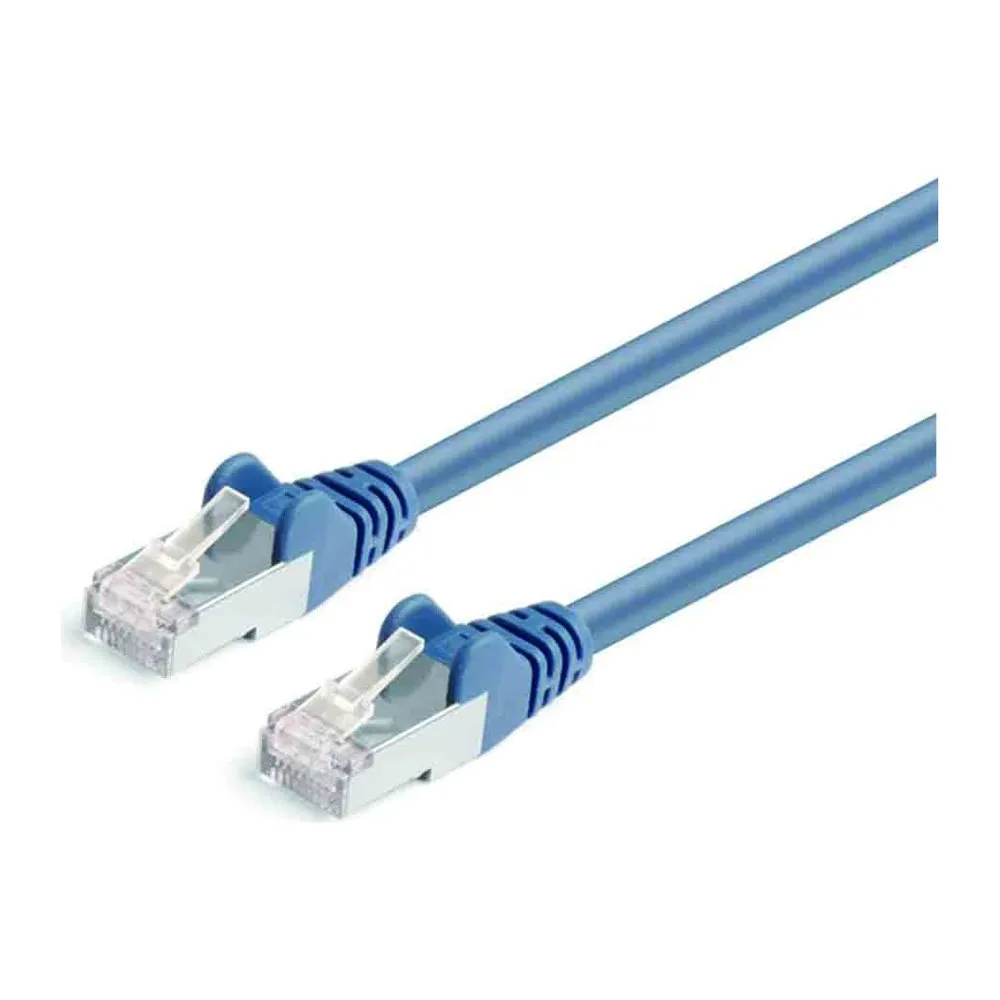 Cat6A & data-center Ethernet cableCat6A/Cat6/Cat5e patch cords, keystone runs, and bulk on the spool — solid bare copper, UTP or shielded, CMR/CMP, TIA-568 wiremap-tested, origin-documented.View →
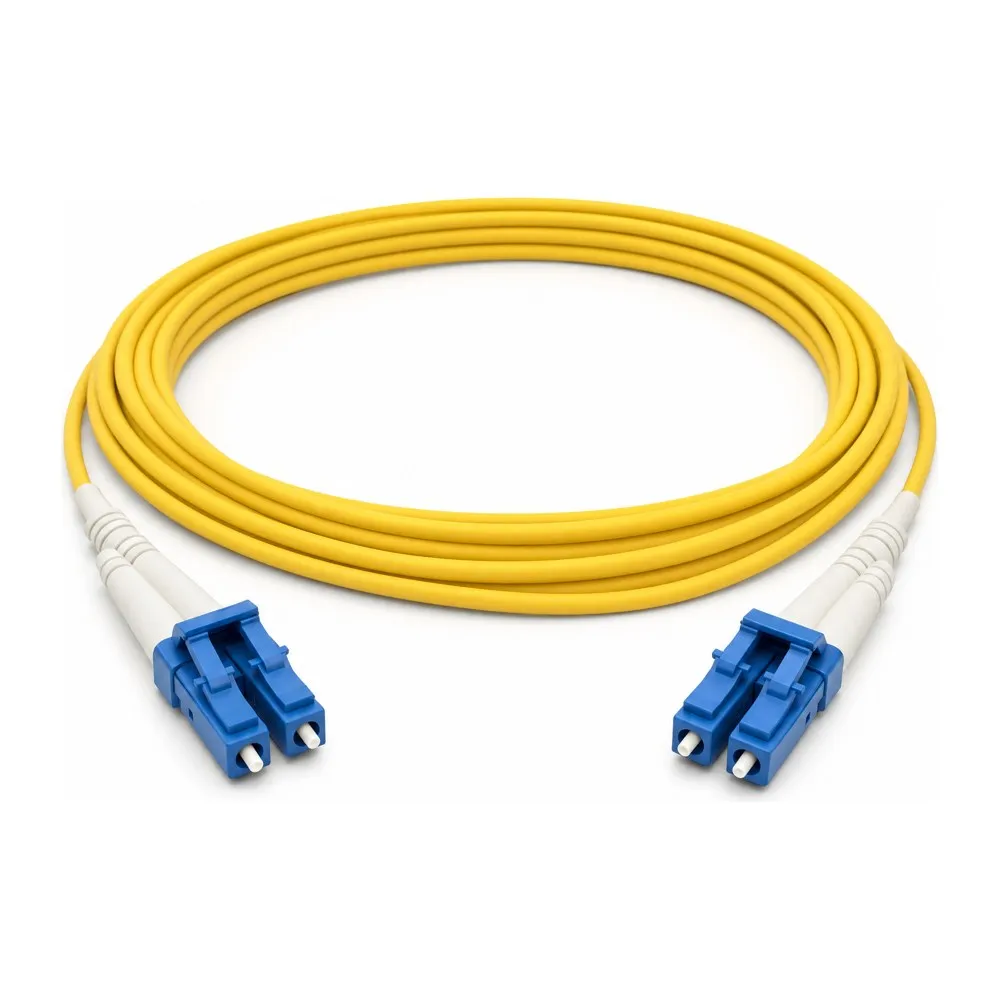 Data-center fiber & patch cableOS2 and OM3/OM4/OM5 LC/SC/ST patch cords, MPO/MTP breakouts, and trunks for the backbone — terminated, loss-tested, origin-documented.View →
Ready to source this to spec?
Kestner is a US company that manufactures the components a structured cabling job is built from — Cat6A/Cat6/Cat5e cable and patch cords, fiber assemblies, and keystone runs, tested to TIA-568 with the fire rating and origin documented. We do not design or install; we build the cable your integrator certifies. Send the bill of materials and we will quote it built and tested.
Request a quote