Blog
Sourcing guides for power & connectivity buyers.
Practical guides for procurement teams — reading a spec, vetting a supplier, and managing country of origin and lead time.
Blog
Practical guides for procurement teams — reading a spec, vetting a supplier, and managing country of origin and lead time.
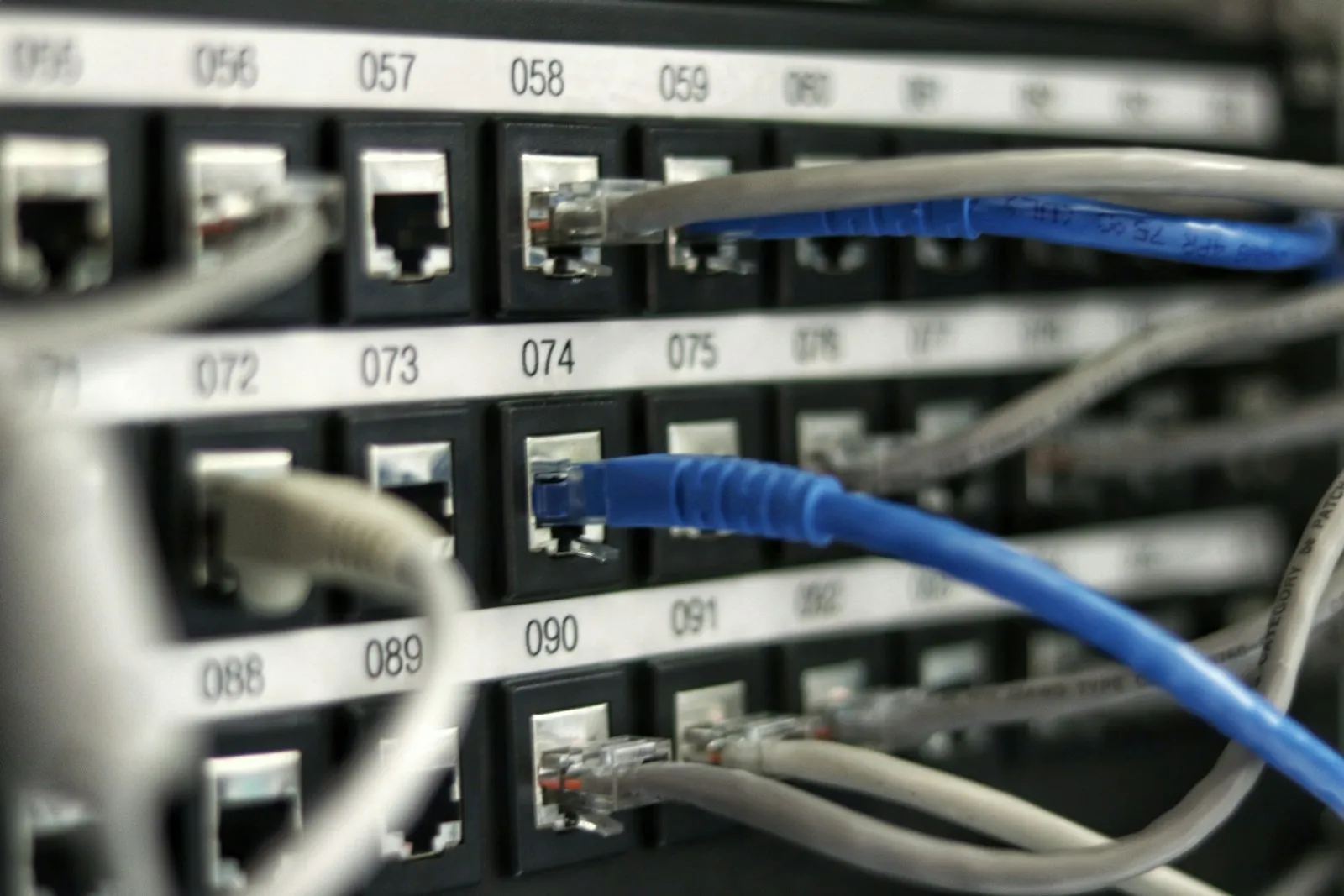
Why the fraud in Ethernet cable is inside the jacket, how to read a UL fire listing that actually means something, and the test report to demand before a bulk or patch-cord PO.
Read →
The C13 tops out long before a modern rack does. What the C19/C20 couplers actually carry, the gauge the copper has to be, the four cord configurations that cover most racks, and how to spec them without over- or under-buying.
Read →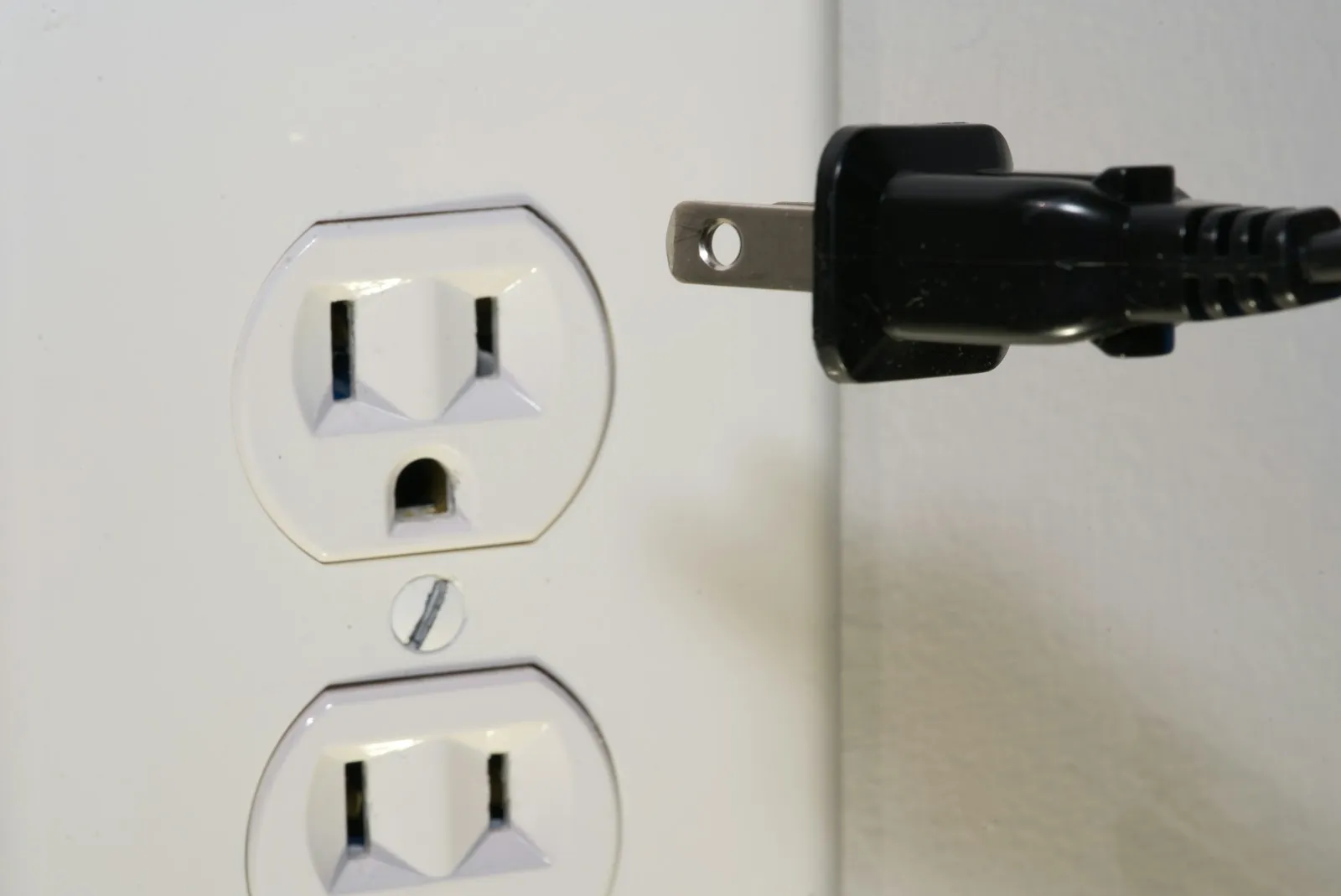
Every appliance coupler in the standard, what each one is actually rated for on both sides of the Atlantic, and the two spec traps that put the wrong cord in a rack.
Read →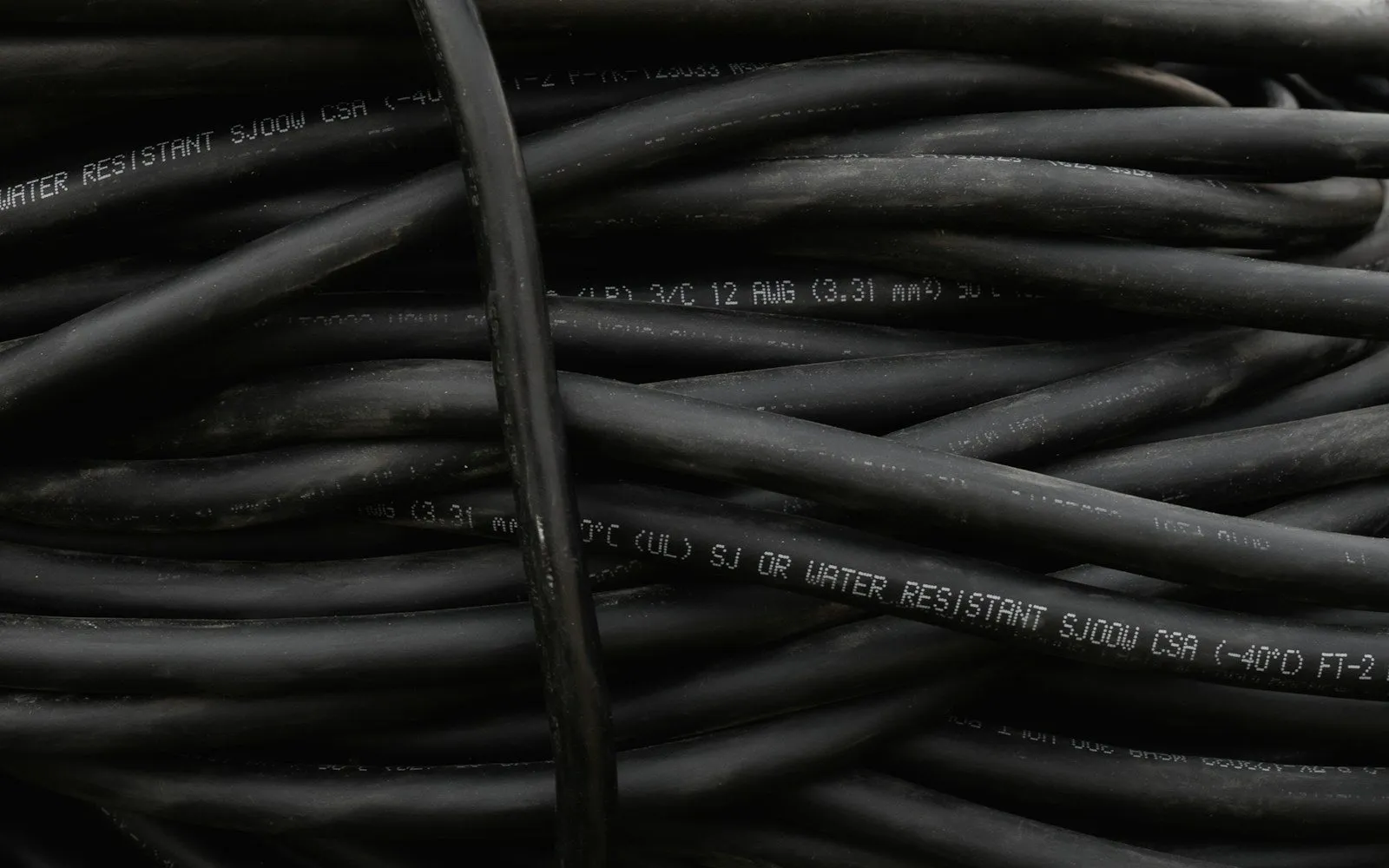
Copper gauge, polarity, a 12.5 A heat soak, and every certification file number run through the registries — with tools you can buy for under $100. The copper was honest. The paperwork split down the middle.
Read →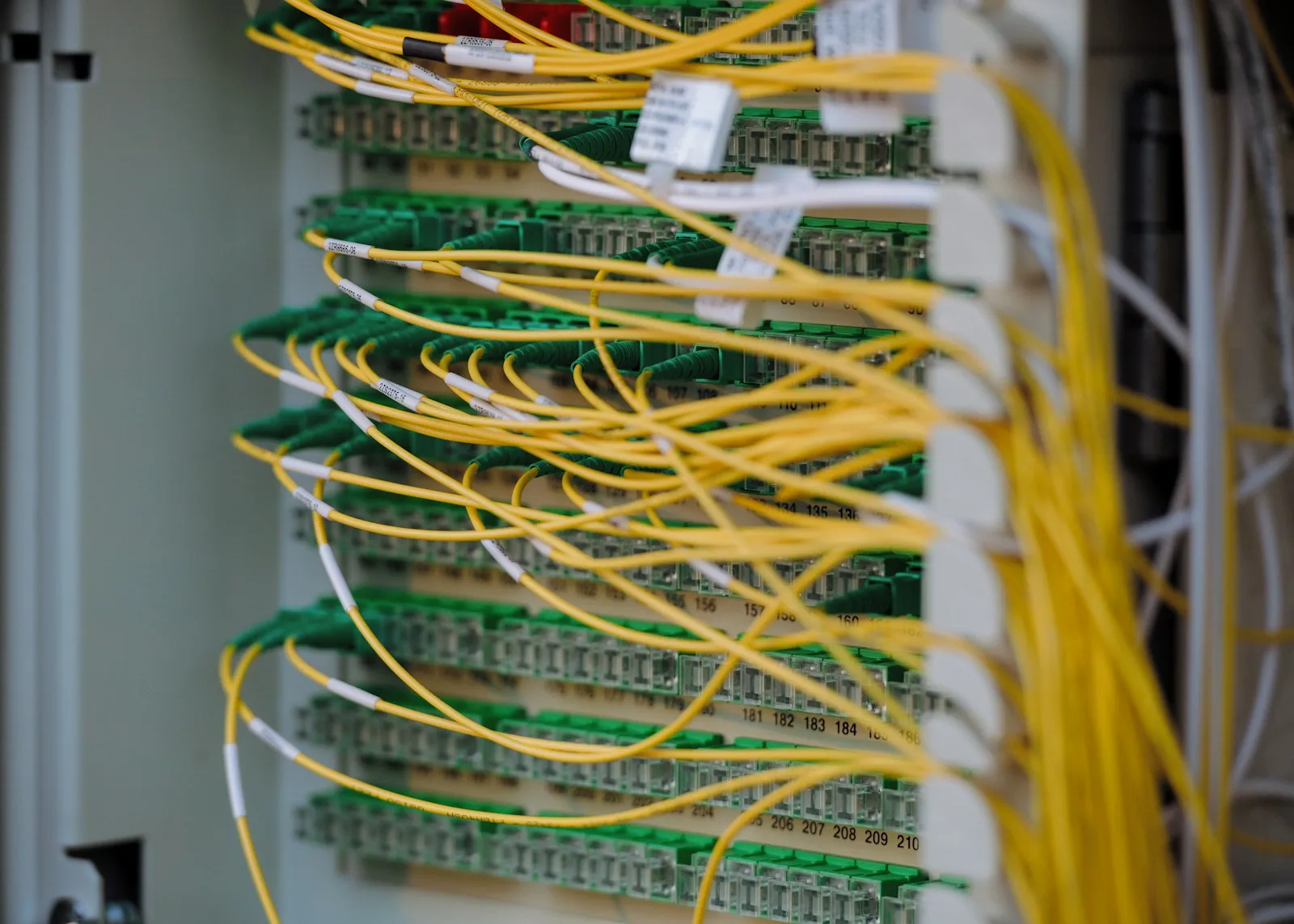
The six choices that define a custom fiber assembly, why 400G and 800G changed the trunk, and the loss, test, and origin specs to lock before you send a fiber drawing out to quote.
Read →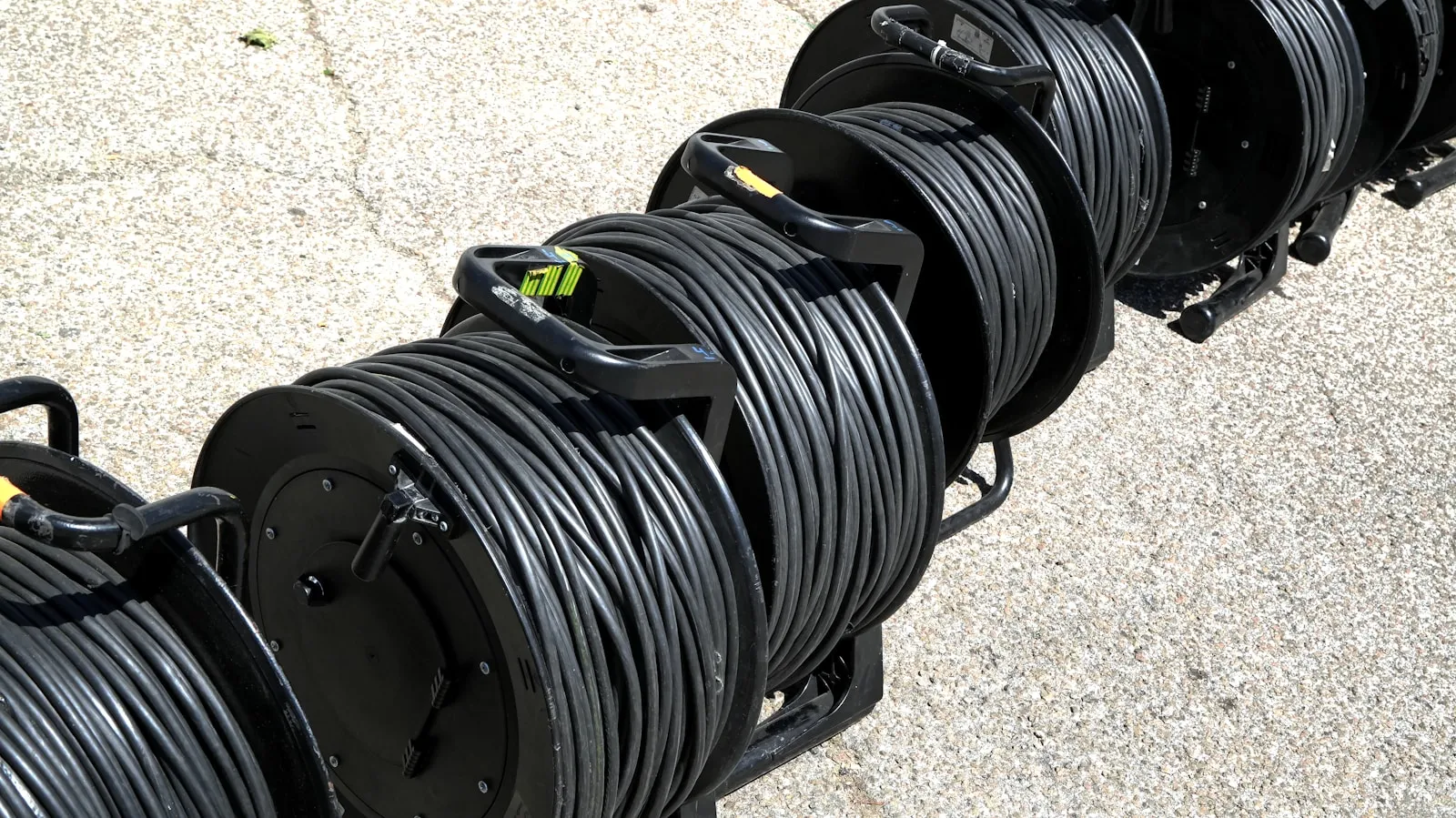
What separates a power cord manufacturer from a relabeler, the certifications and cordage specs that actually decide the buy, and the documents to demand before you place an order.
Read →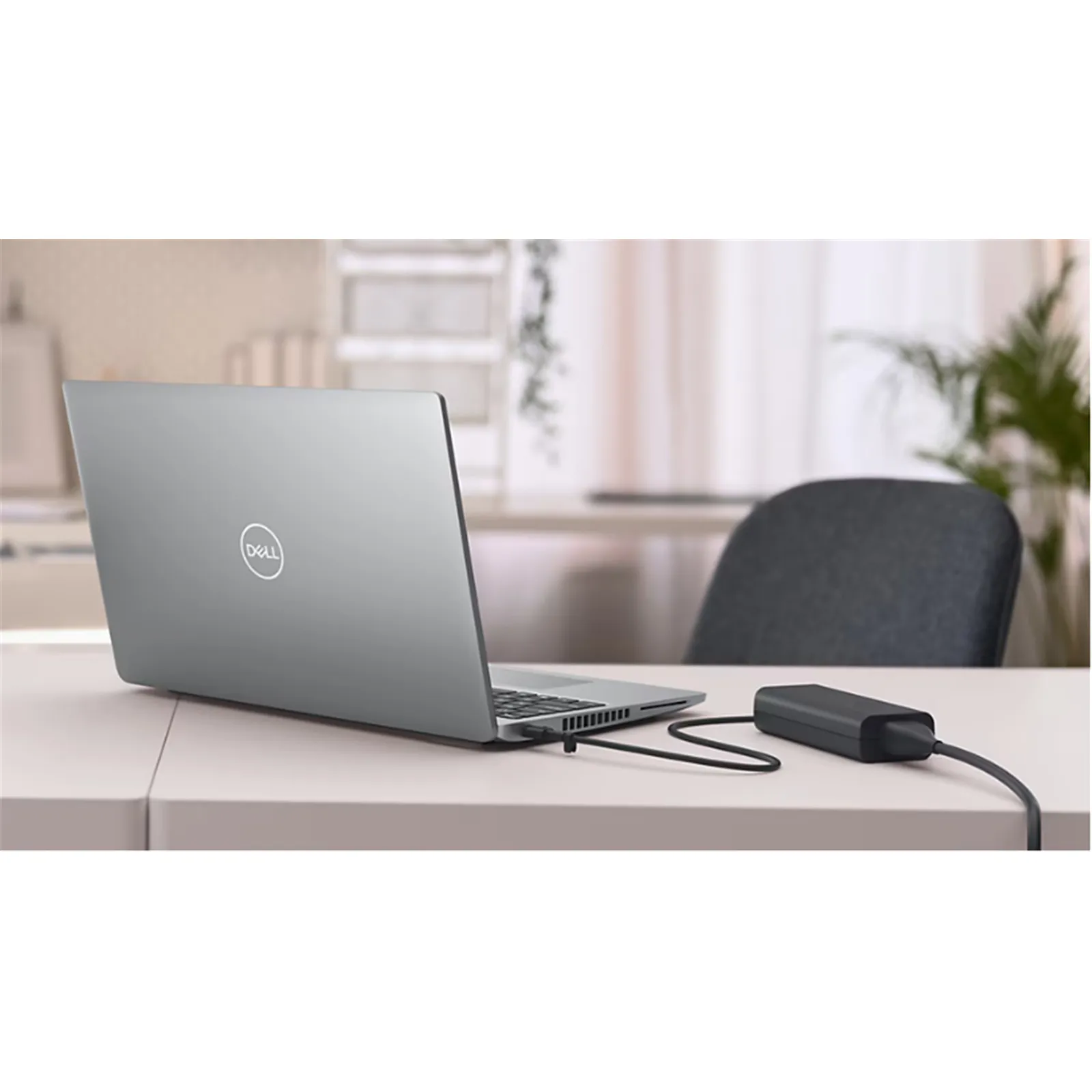
A buyer's guide to sourcing an AC/DC power supply or adapter to spec — output, form factor (open-frame, enclosed, DIN-rail, external), safety and application class, efficiency, and where to buy it without ending up with the wrong box.
Read →Shielding helps Cat6a and Cat8 beat crosstalk and PoE heat — but a shield that is not bonded does nothing, and grounded at both ends it can make things worse. When to spec shielded Ethernet, and how to source it.
Read →
Five 10-ft cables sold as "Cat6," measured with calipers, a scale, and a microscope, and all cut open: two genuine copper, two undersized copper-clad aluminum, and one "Cat 6e" — a category that does not exist.
Read →