Quick answer
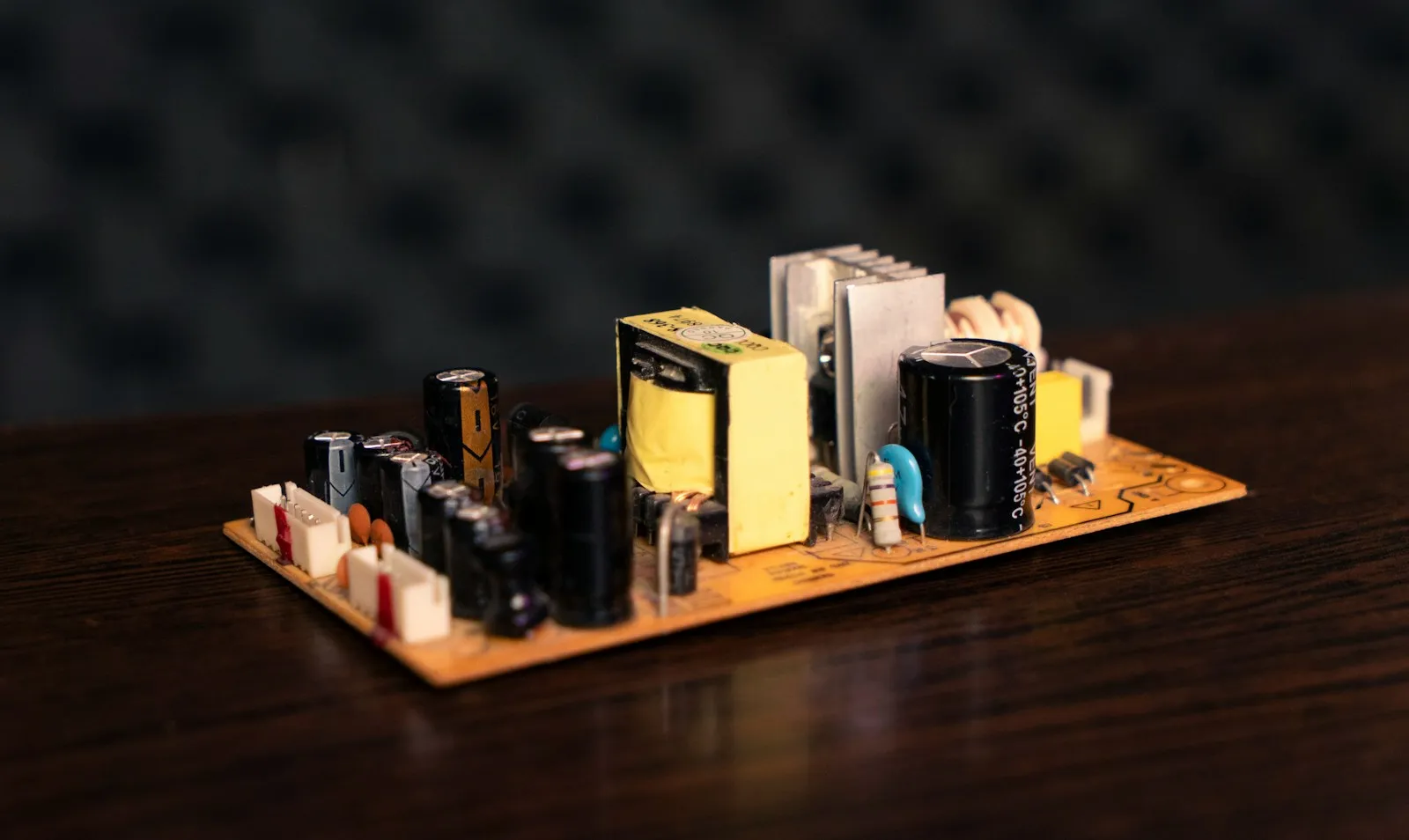
An industrial power supply is a rugged AC/DC switching supply built for continuous duty — DIN-rail, open-frame, enclosed, or external — specified by voltage, power, efficiency (DoE Level VI), protection, and temperature range. In 2026 the AI data-center boom has stretched lead times across the market. Kestner builds custom and OEM switching supplies to roughly 140 W (UL 62368-1, industrial and medical on request) with China-plus-Vietnam second-source capacity.
The short version
- Industrial power got hard to buy in 2026: AI data-center demand is absorbing power silicon and factory capacity, and smaller-volume OEMs are the ones seeing premiums and long lead times.
- Pick the form first — DIN-rail, open-frame, enclosed, or external — because it sets the mounting, the cooling, and the power range.
- Spec the protections and the temperature range, not just volts and watts: OVP/OCP/OTP, hold-up time, and derating at the top of the thermal range are where continuous-duty supplies fail.
- Certification is the gate: UL 62368-1 for safety, DoE Level VI for efficiency, and IEC 60601 if it touches a patient.
- When catalog lead times blow out, a custom or OEM build with a documented second source is how buyers keep the line running.
An industrial power supply is the least glamorous part of a machine and the one that takes it down when it fails. It runs continuously, often in heat and vibration, and it has to hold its rail while everything around it switches and surges. Choosing one is a spec exercise; buying one, in 2026, has become a sourcing exercise too — because the same AI boom filling data centers is pulling power components and factory capacity away from everyone else. This guide covers both: the forms and specs that decide which industrial supply you need, the certifications that gate it, and how buyers are protecting supply while lead times stretch.
Why industrial power got hard to buy in 2026
BLUF: demand for AI infrastructure is absorbing the power silicon and the manufacturing capacity that industrial supplies also depend on, and smaller-volume buyers are feeling it first. The scale is the story — forecasts put US data-center power demand near 41 GW in 2026, climbing toward 66 GW by 2027, and the components that regulate all that power are on allocation.
The knock-on for a buyer of ordinary industrial power is real:
- Lead times have stretched. TrendForce cut its 2026 server-shipment growth forecast to about 13% on extended component lead times — the same components industrial supplies use.
- Capacity goes to the biggest customers. When supply is tight, makers prioritize high-volume AI accounts; a mid-volume OEM either pays a premium or waits.
- The constraint is structural. Gartner has forecast that power constraints will limit 40% of AI data centers by 2027, which means the pressure on power components is not a one-quarter blip.
None of that changes what a good industrial supply is — but it changes how you have to buy one, which is why the back half of this guide is about sourcing, not just specs.
What “industrial power supply” means — the forms
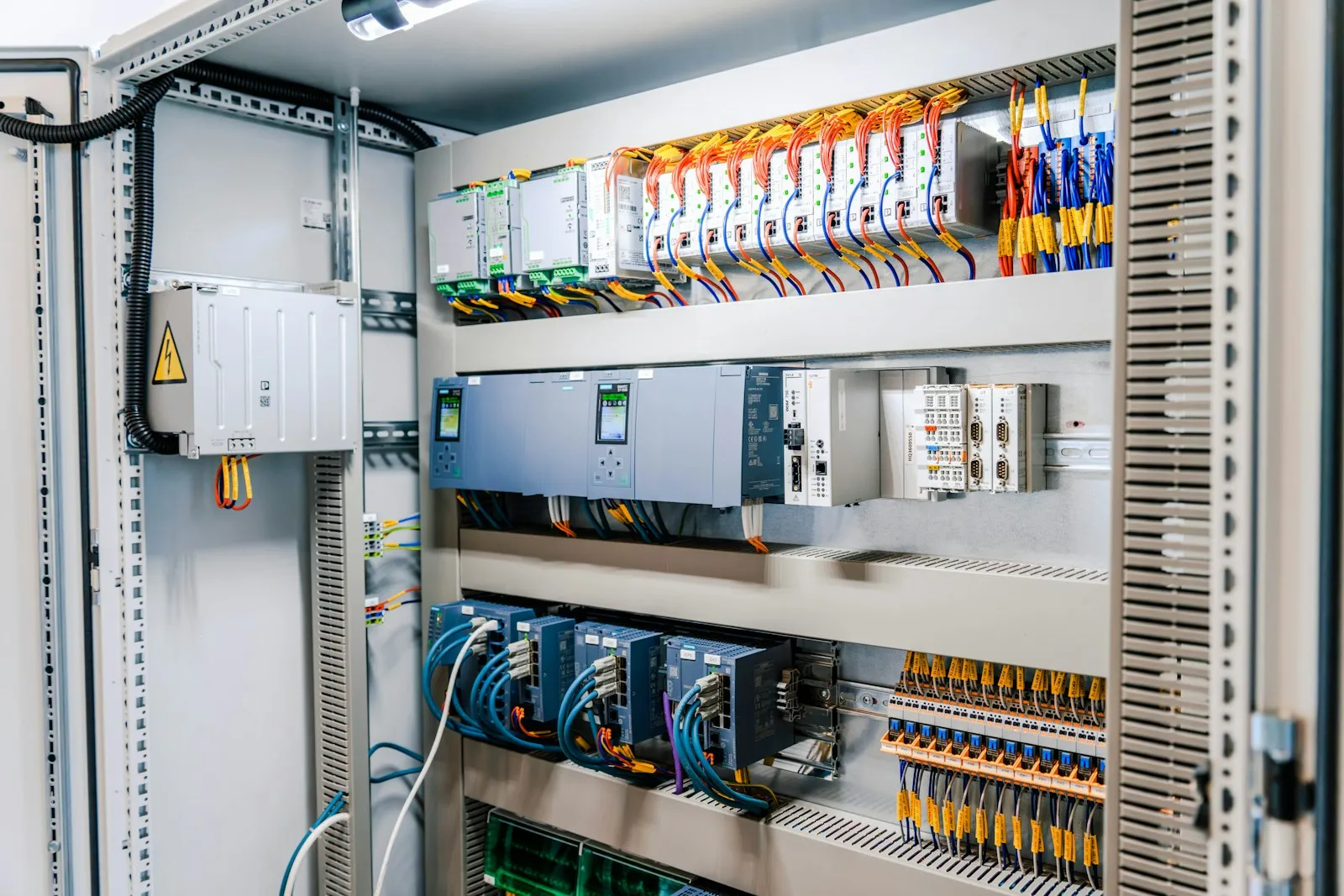
BLUF: “industrial power supply” is a family, and the form is the first decision because it sets the mounting, the cooling, and the practical power range.
| Form | Mounting | Typical use |
|---|---|---|
| DIN-rail | Clips into a control cabinet rail | Factory automation, PLCs, panels |
| Open-frame | A bare board built into equipment | OEM in-box power, space-constrained |
| Enclosed / chassis | A metal-cased unit | General industrial, ruggedized |
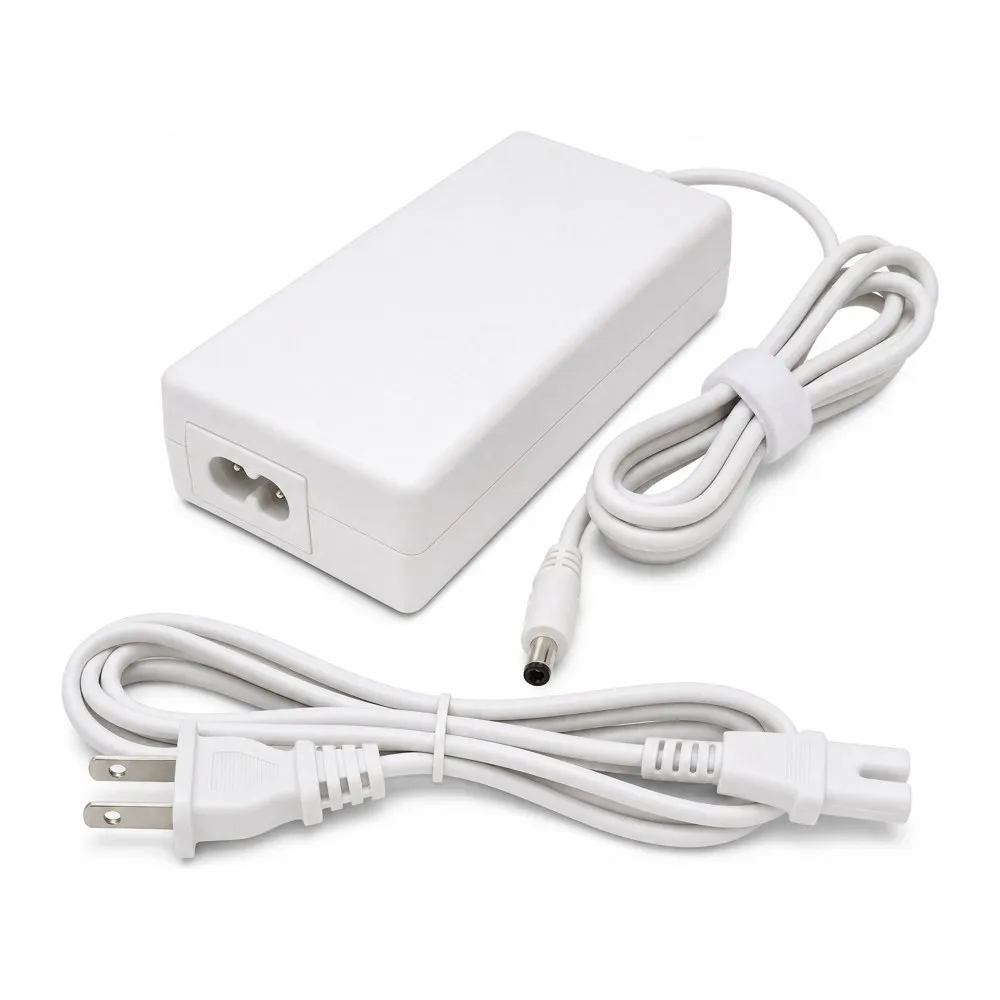
| External / desktop | A brick outside the equipment | Instruments, networking, medical devices |
| Rack-mount | 19-inch rack, often hot-swap | High-power systems, telecom, servers |
Almost all of these are switching (switch-mode) supplies — efficient and compact — rather than old linear transformers. Kestner’s build is the external/desktop and enclosed, custom-OEM end to roughly 140 W; the high-power DIN-rail and rack units (hundreds of watts to kilowatts) are a different class of product, and part of this landscape rather than something every maker builds. Match the form to the machine before you compare part numbers.
The specs that decide the buy
Volts and watts are where people start and the least likely to go wrong. The specs that actually separate a supply that lasts from one that nuisance-trips or dies in year two are the ones underneath:
- Voltage, current, and headroom. Size for the real load plus margin; 12, 24, and 48 V DC are the common rails, 24 V being the automation default.
- Single vs multi-rail, and whether the output is fixed, adjustable, or programmed.
- Protections — over-voltage (OVP), over-current (OCP), over-temperature (OTP), and short-circuit (SCP), each auto-recovering once the fault clears, with turn-on overshoot held under about 10%. On a continuous-duty supply these are not optional.
- Hold-up time and inrush — how long the rail survives a mains dropout, and how hard the supply hits the line at power-on.
- Efficiency and thermal derating. A supply rated for full power at 25 °C may deliver far less at 60 °C — read the derating curve, not just the headline watts.
- Environment — operating temperature range, humidity, conformal coating, vibration, and altitude for the place it actually lives.
Certification and the thermal reality
BLUF: certification is the gate, and for industrial power it is more than one mark. Safety runs on UL/IEC 62368-1 (the standard that replaced the older 60950 and 60065), external-supply efficiency on DoE Level VI, and anything that touches a patient adds IEC 60601-1. Industrial control panels often want a UL 508 listing on top, and each destination market has its own mark. Specify the certifications up front — retrofitting a cert onto a finished design is expensive and slow.
The mark is not the whole test, either. A serious supply is proven for electromagnetic immunity — electrostatic discharge, electrical fast transients, surge, and conducted disturbance, tested to the IEC 61000-4 series — and every unit gets a production hi-pot (dielectric-withstand) and leakage-current test, not a lot sample. Ask for the immunity report and the production-test record, not just the listing number.
Sourcing in the squeeze
BLUF: when the catalog part you always bought goes to a 30- or 40-week lead time, the fix is usually a second source — and for many industrial supplies, a custom or OEM build to your spec is that second source. The moves buyers are making in 2026:
- Qualify a second source before you need it. A documented alternate, sampled and approved, is cheaper than an emergency redesign at allocation prices.
- Consider a custom/OEM build for steady-volume parts. Built to your voltage, connector, enclosure, and certification, it takes you off the catalog-allocation queue.
- Put origin in the decision. A build in Vietnam or China is a documented choice that sets your tariff exposure — run it against the duty stack and verify the origin before entry.
- Lock lead time and last-time-buy terms in the PO, so the next allocation cycle is a recalculation and not a line-down.
This is where Kestner fits, and where it does not. We build custom and OEM switching supplies to roughly 140 W under our own UL 62368-1 file and DoE Level VI test — external, desktop, and enclosed, medical and industrial on request, with a China or Vietnam origin documented per unit. For high-power DIN-rail and rack supplies we will point you to where that capacity lives rather than overstate ours. How to spec and vet the build itself is covered in the custom power supply sourcing guide.
What to put on the spec sheet
- Output — voltage(s), current, single or multi-rail, fixed or adjustable.
- Form and mounting — DIN-rail, open-frame, enclosed, or external.
- Protections — OVP, OCP, OTP, SCP, and hold-up time.
- Efficiency and temperature — DoE level, operating range, and the derating you need at the top of it.
- Certifications — UL 62368-1, plus 60601, 508, or regional marks as the application requires.
- Volume and second-source plan — so lead time and last-time-buy can be quoted honestly.
- Country of origin documented per unit, for the tariff math.
If you want a custom or OEM switching supply built and tested by the US company that makes it — with the certification, the burn-in, and the origin in hand — send us the target spec and we will tell you straight where we fit.
Frequently asked
What is an industrial power supply?
An AC/DC power supply built for continuous, unattended duty in equipment and automation — tougher, better protected, and longer-lived than a consumer adapter. It converts mains AC to a regulated DC rail (commonly 12, 24, or 48 V), and comes as a DIN-rail unit, an open-frame board, an enclosed chassis, or an external brick, rated for a wider temperature range and higher reliability.
What are the main types of industrial power supply?
By form: DIN-rail (clips into an automation cabinet), open-frame (a bare board built into equipment), enclosed or chassis (a metal-cased unit), and external or desktop (a brick outside the equipment). By topology almost all are switching (switch-mode) supplies. The form decides the mounting, the cooling, and the practical power range.
What certifications does an industrial power supply need?
For the US and most markets, UL/IEC 62368-1 for safety (it replaced the older 60950 and 60065 standards) and DoE Level VI for external-supply efficiency. Industrial control panels often add UL 508 listing, medical applications require IEC 60601-1, and each destination market has its own mark (CE, PSE, KC, and so on).
Why are power supply lead times so long in 2026?
AI data-center buildout is consuming power-management silicon and manufacturing capacity, and when supply is tight, makers prioritize their highest-volume customers. TrendForce cut its 2026 server-shipment growth forecast to 13% on extended component lead times, and Gartner has forecast that power constraints will limit 40% of AI data centers by 2027. Smaller-volume OEMs feel it as premiums and delays.
Can a custom power supply be built to a specific country of origin?
Yes. A custom or OEM switching supply can be built in Vietnam or China, and the origin is a documented sourcing choice that changes your tariff exposure. Ask for per-unit origin records that survive a customs entry; the duty stack page carries the current rates by HTS code.
Sources
- UL/IEC 62368-1, safety of audio/video, IT and communication equipmentUL
- DoE Level VI external power supply efficiency standardUS Department of Energy
- IEC 60601-1, medical electrical equipment safetyIEC
- IEC 61000-4 series, electromagnetic compatibility (immunity)IEC
- AI data-center power constraints (Gartner forecast, 2026)Help Net Security
- Server component lead times and shipment forecast (TrendForce, 2026)The Register
- Country-of-origin marking and entry treatmentUS Customs & Border Protection
More in this cluster
Products in this line
Ready to source this to spec?
Kestner is a US company that builds custom and OEM switching power supplies on its own lines — to roughly 140 W, desktop or wall-mount, under a UL 62368-1 file and a DoE Level VI test, medical and industrial on request, with a China or Vietnam origin documented per unit. For the higher-power DIN-rail and rack range we will tell you straight where we fit and where we do not. Send the target spec and we will quote it built and tested.
Request a quote