Quick answer
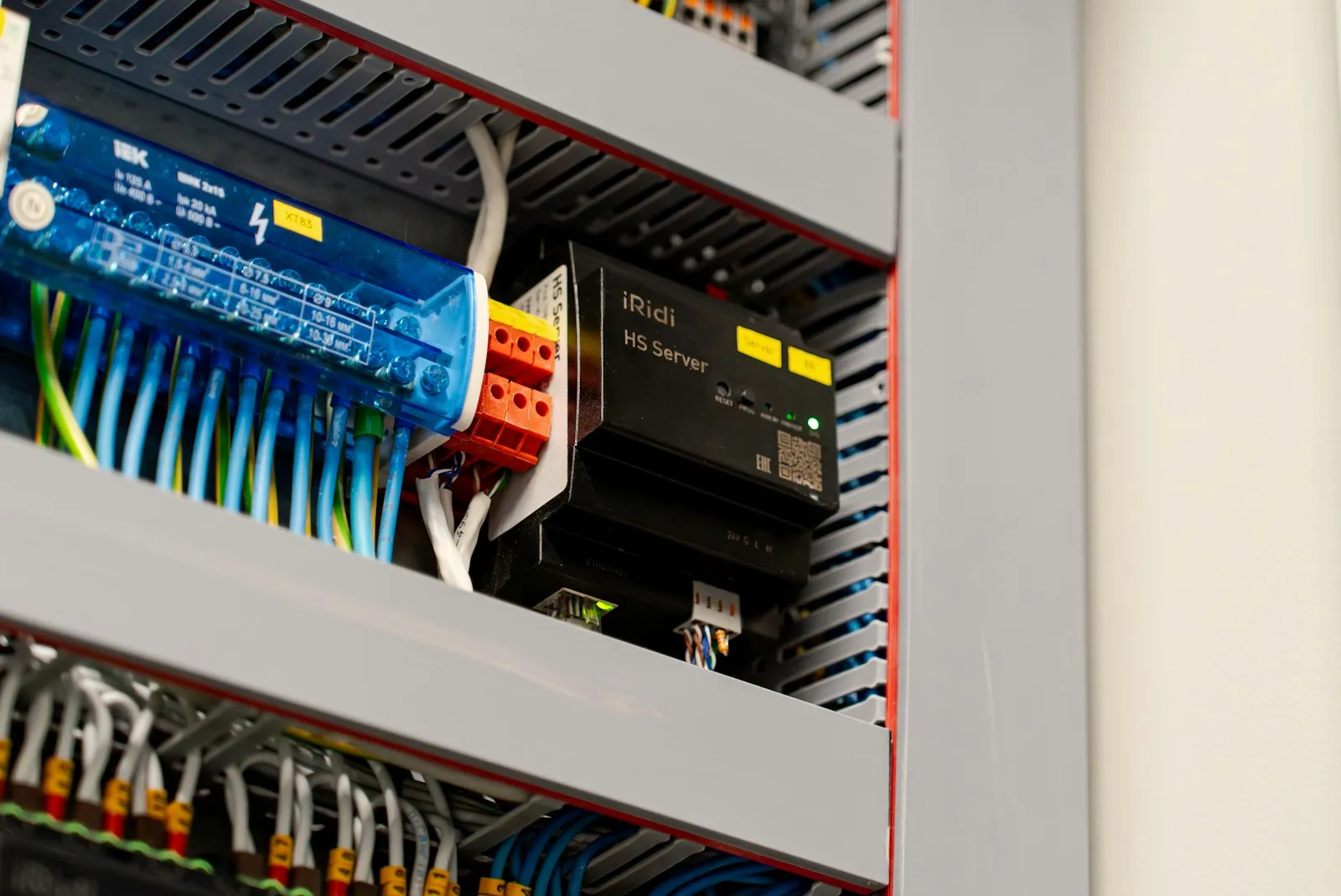
A DIN-rail power supply clips onto the 35 mm rail in a control cabinet and turns mains into a regulated DC rail — almost always 24 V, the automation standard. Spec it by total load plus headroom and inrush, derating at cabinet temperature, redundancy, and the listings the panel needs (UL 508, Class 2). Kestner does not build DIN-rail units; it builds the 24 V supplies, power cords, and cable assemblies around them. See IEC 60715.
The short version
- A DIN-rail supply mounts on the standard 35 mm (TS35) rail and powers the PLC, sensors, relays, and I/O in a control cabinet — and it is almost always a 24 V supply.
- Size it for the total load plus roughly 20–30% headroom, then check the inrush: motors, solenoids, and capacitive loads need a unit with a short power-boost rating.
- Read the derating curve. Full power is typically rated to about 50–60 °C; a warm, crowded cabinet can cut usable output well below the label.
- Add a DC-OK signal and, for anything that cannot stop, redundancy (two supplies plus a redundancy module, N+1).
- For a US control panel, look for a UL 508 (or UL 61010-1 / 62368-1) listing, and a Class 2 rating where the control circuit calls for limited power.
Open any control cabinet and somewhere on the rail, usually near the incoming power, is the part everything else depends on: a DIN-rail power supply turning mains into a steady 24 V for the PLC, the sensors, the relays, and the I/O. It is rarely the expensive part of the panel, and it is the one that takes the whole panel down when it is undersized, cooked by a hot enclosure, or tripped by a surge nobody planned for. This guide covers how to spec one properly: why it is almost always 24 V, how to size and derate it, when to add redundancy, and which listings a US panel needs. It ends with a straight answer on where Kestner fits, and where it does not.
Why DIN-rail supplies are almost always 24V
BLUF: 24 V DC is the control voltage of industrial automation. PLCs, proximity sensors, solenoid valves, contactor coils, and most I/O modules are built for it, so the supply that feeds them is a 24 V unit in the large majority of panels.
The reasons are practical. At 24 V a given load draws half the current it would at 12 V, so the control wiring is thinner, runs cooler, and loses less voltage across a long run to a field device. It is also low enough to be safe to work around inside a live cabinet. 12 V and 48 V DIN-rail supplies exist, and 48 V is common in telecom and some motion systems, but if a panel has one DC rail, it is almost always 24 V.
The unit itself mounts on the standard 35 mm “top-hat” rail defined by IEC 60715, so it lines up with the terminal blocks, breakers, and modules around it.
Sizing: load, headroom, and the inrush you forgot
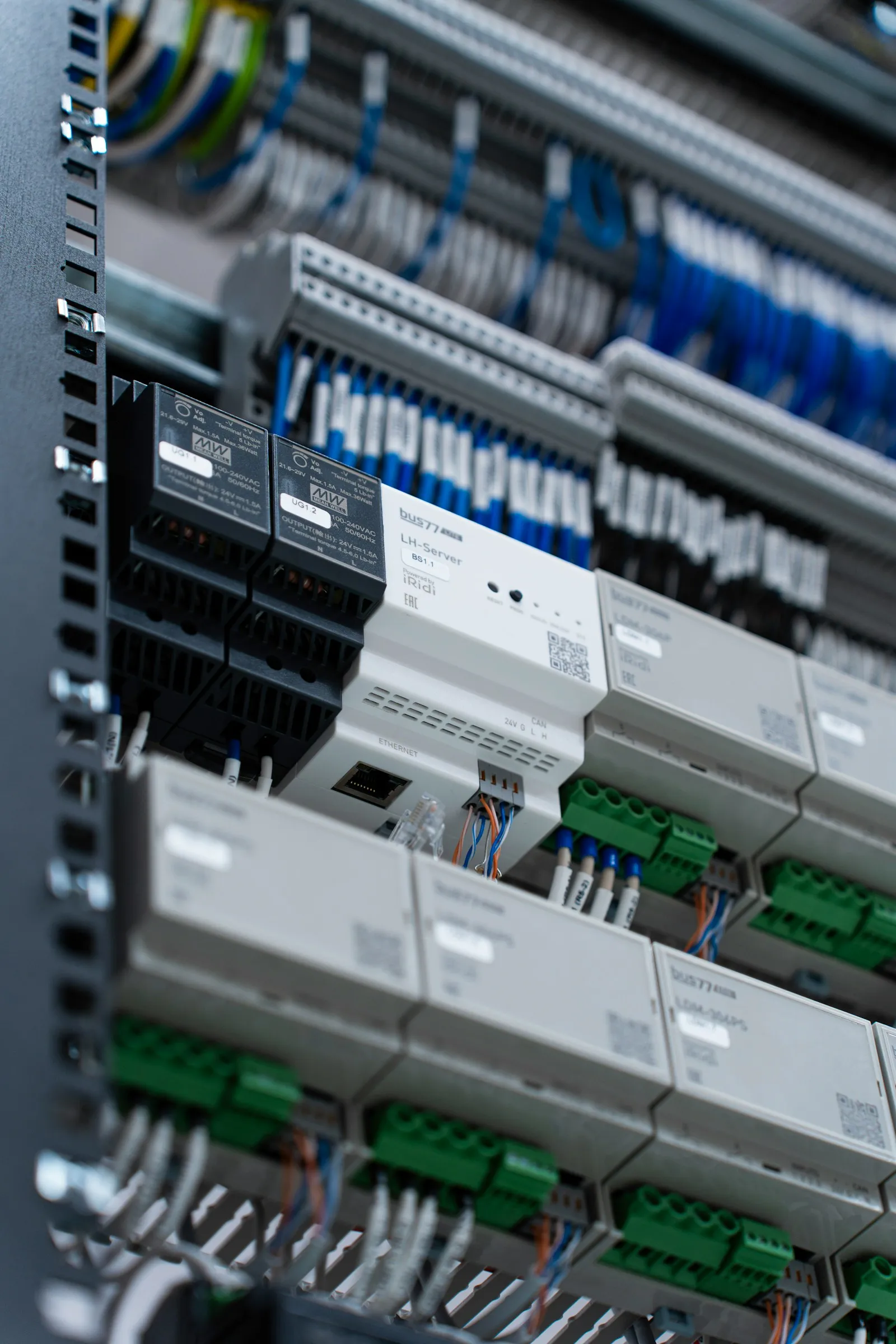
Add the steady current of every device on the 24 V rail, then add roughly 20–30% headroom. A supply run near its ceiling all day runs hot and ages fast; one with margin lives in its comfortable range for years.
Then check what happens at turn-on. Solenoid valves, contactor coils, small motors, and devices with large input capacitors pull a surge several times their running current for a few milliseconds. A supply sized only for the steady load can hit its over-current limit on every power-up and fold back, which looks like a panel that “sometimes doesn’t start.” Many industrial DIN-rail supplies carry a power-boost or peak rating — commonly around 150% for a few seconds — precisely for this. If the load has a real surge, size for it: either a unit with boost, or a larger one.
Derating: the cabinet is hotter than the label
A DIN-rail supply’s rated output assumes an ambient temperature, and inside a closed, crowded cabinet the air is often far warmer than the room. Most units deliver full power up to roughly 50–60 °C and then derate — typically a few percent per degree above that. A 240 W supply in a 65 °C cabinet may only be good for a fraction of its label.
Three habits prevent the problem: read the derating curve, not just the headline watts; leave the spacing the datasheet asks for above, below, and beside the unit so convection can work; and mount it in the orientation the maker specifies. If the cabinet runs hot, choose a larger unit or improve the cooling rather than running at the limit.
Monitoring and redundancy
For anything that should not stop without warning, use the supply’s DC-OK relay contact or signal, wired to the PLC, so a failing supply raises an alarm instead of dropping the line. For anything that must not stop at all, add redundancy: two supplies feeding the load through a redundancy module (a diode or MOSFET “OR-ing” module), sized so either supply alone can carry the full load — N+1. It costs a second supply and a module; it saves a production shutdown when one fails.
Listings a US control panel needs
A DIN-rail supply in a US control panel should carry the right safety listing, and panel shops building to UL 508A will ask for listed components:
- UL 508 (industrial control equipment), or UL 61010-1 / UL 62368-1, as the safety listing for the supply itself.
- Class 2 (UL 1310, used under NEC Article 725) where the control circuit is designed as a limited-power circuit. A Class 2 unit caps its output at roughly 100 VA, which eases the wiring rules — at the cost of power.
- Industrial EMC immunity to IEC 61000-6-2, because a cabinet is full of switching contactors and drives.
- Where it applies, hazardous-location ratings (Class I, Division 2) or sag-immunity requirements such as SEMI F47 in semiconductor tools.
What to check on the datasheet
| Parameter | What to look for |
|---|---|
| Input | Wide single-phase range (about 85–264 Vac); three-phase for high power |
| Output | 24 V, adjustable about ±10% on the front potentiometer |
| Rated power & derating | Full power to what ambient, and the curve above it |
| Peak / power boost | How much surge, for how long, for inrush-heavy loads |
| Hold-up time | How long the output rides through a mains dip at full load |
| Efficiency | High-80s to mid-90s percent — less heat in the cabinet |
| Signals | DC-OK contact or LED; parallel / redundancy support |
| Listings | UL 508 or 61010-1 / 62368-1; Class 2 if required; IEC 61000-6-2 |
| Mechanics | TS35 rail, width in the cabinet, screw or push-in terminals |
Hold-up, boost, and derating figures vary widely between product families, which is why they are worth comparing directly. The supply that matches on watts can differ by a factor of two on surge capacity or usable output at 60 °C.
Where Kestner fits — and where it does not
We do not build DIN-rail power supplies. It is a specialist product with established makers — Mean Well, Phoenix Contact, PULS, TDK-Lambda among them — sold through distributors such as DigiKey and AutomationDirect, and for the rail itself that is where we would send you.
What we build, in our own factories in China and Vietnam, is the power that sits around a control system: external and enclosed 24 V supplies built to your output and connector for field devices and instruments (custom power supplies), IEC power cords for the equipment in and around the cabinet, and custom cable assemblies. The spec-and-source discipline behind those is in the custom power supply sourcing guide, and the wider industrial picture is in the industrial power supply guide. If you are building out a system and want a straight answer on which parts we should make and which we should not, send us the list.
Frequently asked
What is a DIN-rail power supply?
An AC/DC switching power supply built to clip onto a DIN rail — normally the 35 mm top-hat rail defined by IEC 60715 — inside an electrical or control cabinet. It converts mains to a regulated DC output, usually 24 V, to power PLCs, sensors, relays, HMIs, and other control devices mounted alongside it.
Why are DIN-rail power supplies usually 24V?
Because 24 V DC is the standard control voltage in industrial automation: PLCs, sensors, solenoid valves, and relays are built for it. It is low enough to be safe to work around and, for a given power, draws half the current of 12 V, so the wiring runs cooler with less voltage drop. 12 V and 48 V DIN-rail supplies exist for specific loads.
What size DIN-rail power supply do I need?
Add up the steady current of every device on the 24 V rail, add about 20 to 30 percent headroom, and check the inrush of motors, solenoids, and capacitive loads. If the turn-on surge exceeds the rating, choose a unit with a power-boost or peak rating, or a larger one. Then confirm the derating: in a warm cabinet the usable output can be well below the label.
Do I need a Class 2 DIN-rail power supply?
Only if the control circuit is designed as a Class 2 circuit under NEC Article 725. A Class 2 supply (UL 1310) limits its output to roughly 100 VA, which simplifies the wiring rules for the circuit it feeds. Larger loads need a non-Class-2 supply and the wiring methods that go with it; the panel design decides which.
Does Kestner make DIN-rail power supplies?
No. DIN-rail supplies are a specialist product, and established makers such as Mean Well, Phoenix Contact, PULS, and TDK-Lambda build good ones, sold through distributors like DigiKey and AutomationDirect. Kestner builds the external and enclosed 24 V supplies, IEC power cords, and custom cable assemblies that sit around a control system, to your spec.
Sources
- IEC 60715, dimensions of mounting rails (TS35 top-hat rail)IEC
- UL 508, industrial control equipmentUL
- Class 2 power units and circuitsUL 1310 · NEC Art. 725
- Immunity for industrial environmentsIEC 61000-6-2
More in this cluster
Products in this line
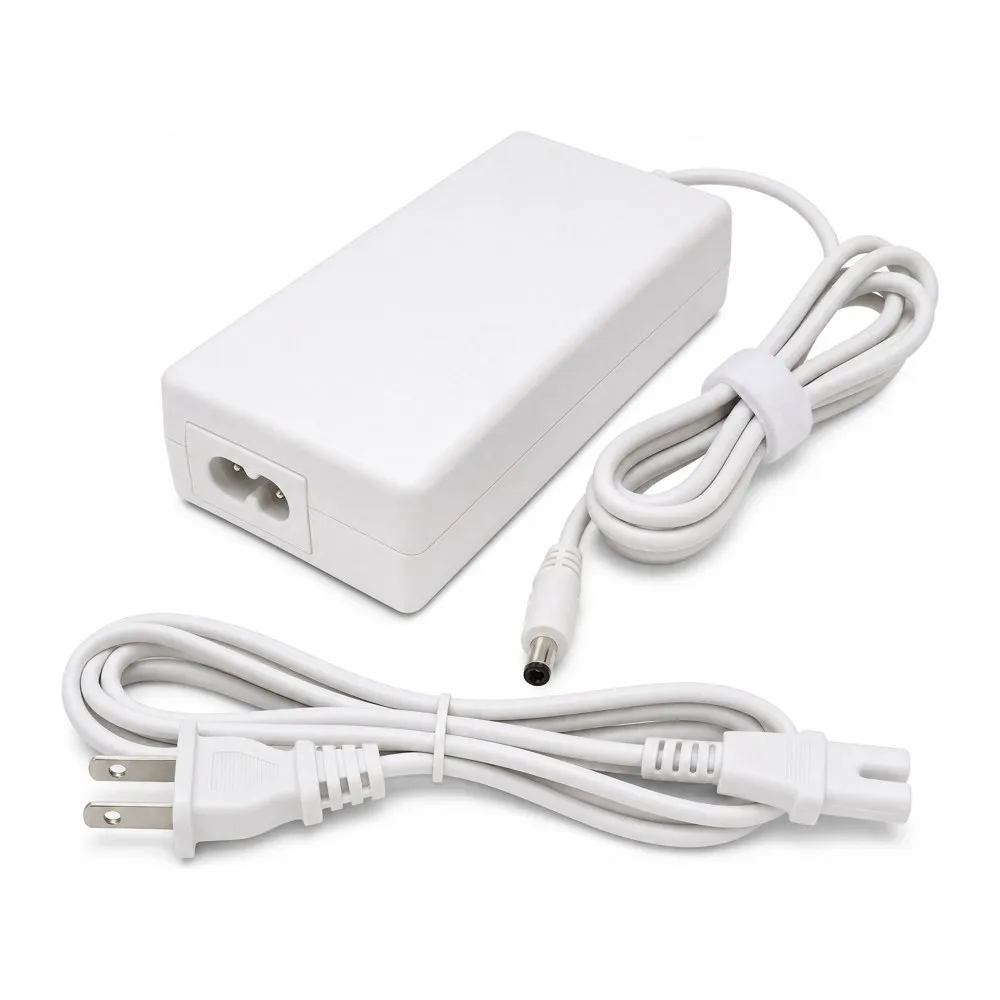 Custom & OEM power suppliesExternal and enclosed 24 V supplies built to your output, connector, and approvals — for the field devices and instruments around a control system.View →
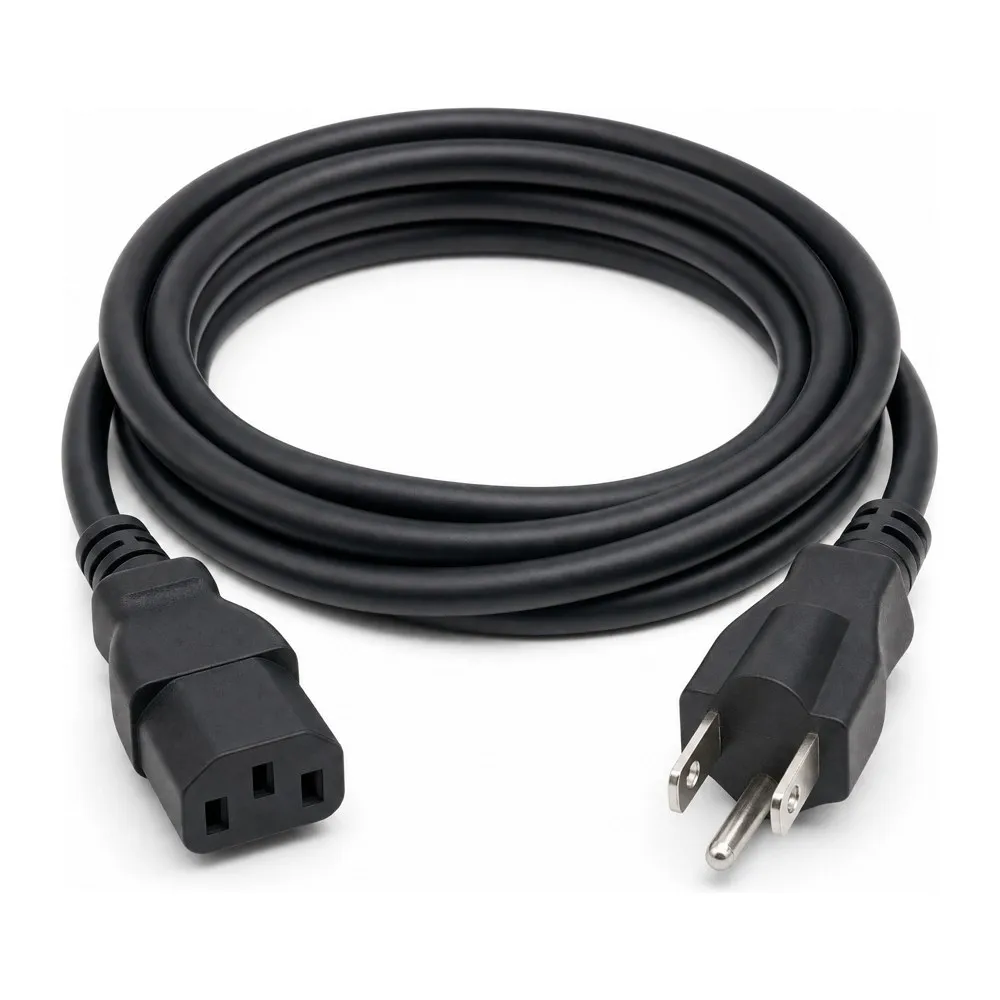 IEC & data-center power cordsC13/C14 and C19/C20 cordage to your length and plug, UL-listed, for the equipment in and around the cabinet.View →
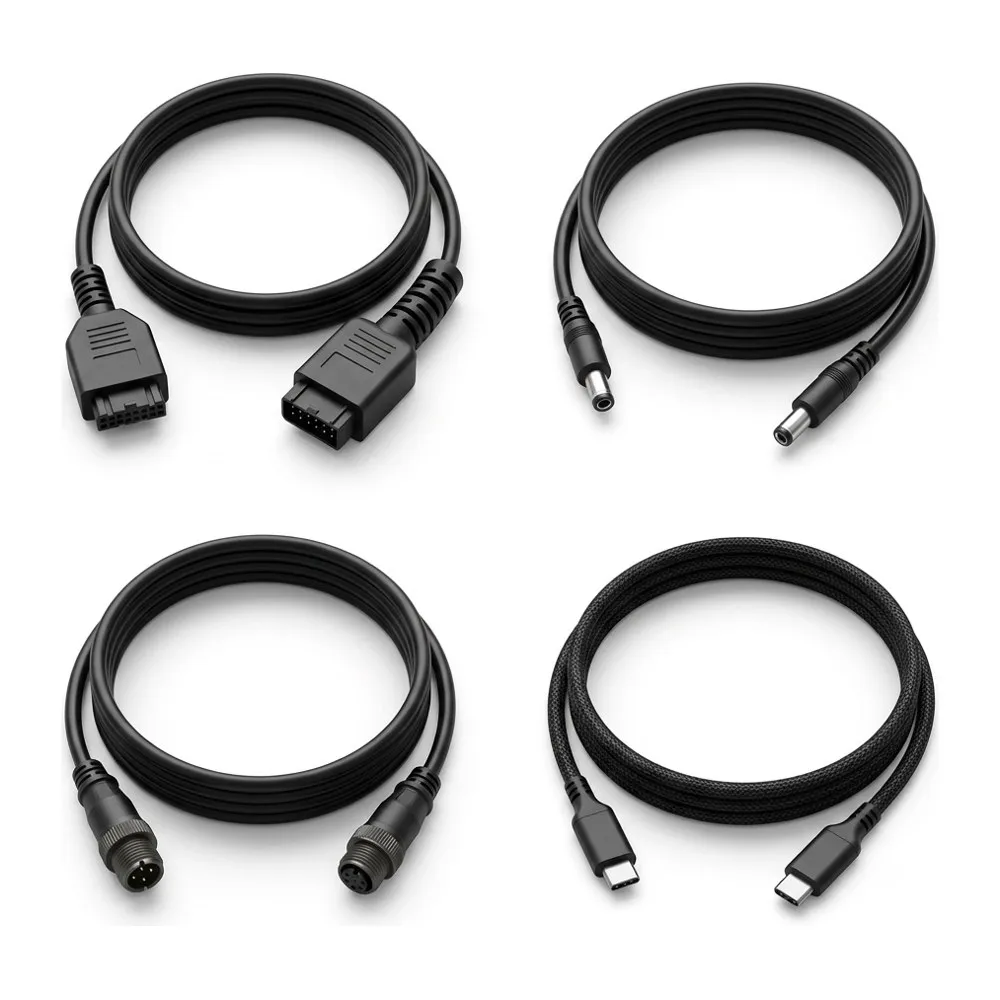 Custom cable assembliesConnectorized assemblies to your drawing, with the termination specified and every unit tested.View →
Ready to source this to spec?
Kestner does not build DIN-rail supplies — buy those from a specialist. What we build, in our own factories, is the 24 V power around the cabinet: external and enclosed supplies to your output and connector, IEC power cords, and custom cable assemblies, UL-listed and origin-documented. Send the list and we will tell you straight which parts we should build and which we should not.
Request a quote