Quick answer
A real Ethernet cable manufacturer can prove three things a relabeler cannot: the conductor is solid bare copper (not copper-clad aluminum), the jacket carries a genuine CMR or CMP fire listing (not just "UL AWM"), and every run is TIA-568 wiremap-tested. Kestner mills, terminates, and tests Cat6A/Cat6/Cat5e on its own lines. Start by checking the copper with a teardown.
The short version
- The fraud in Ethernet cable is inside the jacket: copper-clad aluminum (CCA) looks identical, costs less, and fails PoE heat, reach, and fire code.
- "UL" on the box is not one thing — UL AWM is a component style, not the CMR/CMP fire listing your inspector actually wants. Ask for the listing number.
- Performance is tested, not claimed: demand a TIA-568 wiremap and channel report, keyed to the run — Cat6A means 500 MHz and 10G to 100 m, or it does not.
- A manufacturer mills solid 23 AWG bare copper and holds the fire listing; a relabeler buys spools and prints a box. Ask who does which.
- Country of origin is part of the spec now — a documented Vietnam or China origin sets your Section 301 exposure.
Choosing an Ethernet cable manufacturer is deceptively risky, because the cheapest way to cut cost is the one you cannot see: what is inside the jacket. A reel marked “Cat6, CMR, UL” can be copper-clad aluminum under a solid-copper spec, listed to the wrong UL standard, and untested — and it will plug in, link up, and pass a laptop speed test anyway. It fails later, under PoE load or a fire inspection, when it is in the wall. Here is how to tell a manufacturer that mills and tests its own cable from a company that prints boxes, starting with the copper and ending with the documents to demand before a PO.
The real test: what is inside the jacket
BLUF: the number-one Ethernet fraud is the conductor, and it is invisible from the outside. Compliant Cat cable is solid bare copper, typically 23 AWG for Cat6/Cat6A. The cheap substitute is copper-clad aluminum (CCA) — an aluminum core with a thin copper skin — which is not recognized by TIA-568 or the NEC for communications cable.
CCA looks identical and costs far less, which is exactly why it moves. But aluminum has much higher DC resistance than copper, and that breaks the cable three ways:
- PoE heat. Under 802.3bt the pairs carry power, and higher resistance means more heat — a bundle of CCA in a conduit can exceed its temperature rating and derate or fail.
- Reach. The resistance and attenuation cost you distance; a “100 m” CCA run may not certify past 60.
- Fire and brittleness. Aluminum is more brittle at the terminations and changes the burn behavior the fire listing assumed.
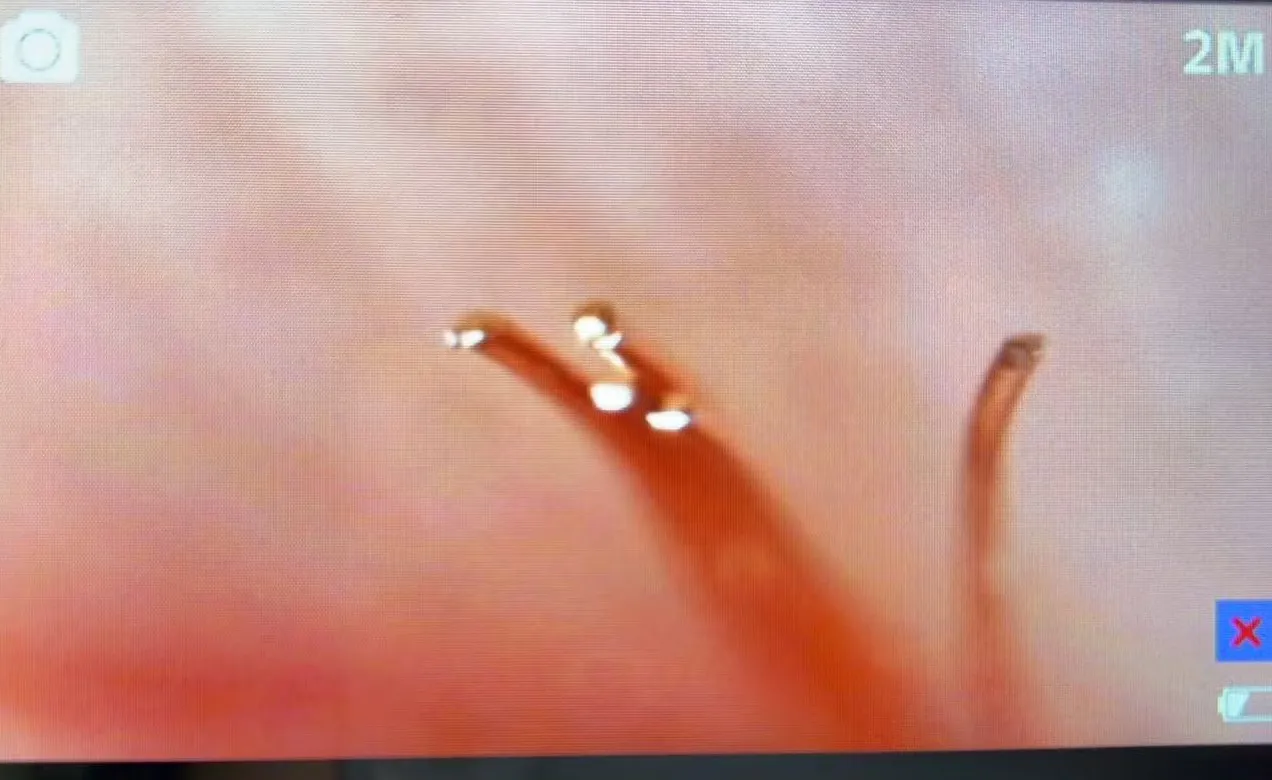
A manufacturer that mills its own cable can hand you the conductor spec and the mill certs. The fastest field check is the one we ran in our Cat6 teardown: scrape a strand and look for silver-white aluminum under the copper.
”UL” on the box is not one thing
A UL mark reassures buyers, and relabelers know it. The trap: UL AWM (Appliance Wiring Material) is a component style, not the fire listing your electrical inspector wants to see. Communications cable in a building has to carry the right NEC Article 800 rating for the space, flame-tested to a specific standard:
| Marking | What it means | Where it belongs |
|---|---|---|
| CMP (plenum) | Passes the NFPA 262 plenum flame test — lowest smoke/flame spread | Air-handling plenums (above drop ceilings) |
| CMR (riser) | Passes the UL 1666 riser flame test | Vertical runs between floors |
| CM / CMG | General-purpose flame rating | Single-floor, non-riser, non-plenum |
| UL AWM | Appliance-wire style — NOT a communications fire listing | Not a substitute for CMR/CMP in a building |
Fire ratings step down CMP > CMR > CM. A plenum space requires CMP; a riser requires at least CMR. Ask for the specific listing and file number, and confirm it on the UL or ETL database — a box that says only “UL” may be carrying an AWM style, not the listing the job requires.
Performance is tested, not claimed
BLUF: a category on the jacket is a claim; a TIA-568 test report is proof. Cat6A is not “better Cat6” — it is a defined spec, and a real manufacturer certifies to it.
| Category | Bandwidth | 10G reach | Shielding |
|---|---|---|---|
| Cat5e | 100 MHz | — | UTP |
| Cat6 | 250 MHz | 55 m | UTP or F/UTP |
| Cat6A | 500 MHz | 100 m | F/UTP or S/FTP |
The full category comparison has the detail, but the buying point is simple: ask how the manufacturer tests. Every run should be continuity- and wiremap-tested at minimum, and channel or permanent-link certified (a Fluke DSX-class test) for the performance categories. If a supplier cannot produce a test report keyed to your run — not a generic datasheet — it is reselling, not manufacturing.
What to demand before the PO
Two documents and one spec separate a manufacturer from a box-printer.
| Demand | Why it matters | How to verify |
|---|---|---|
| Solid bare copper spec | CCA fails PoE heat, reach, and code | Ask for the conductor gauge and mill certs; scrape-test a sample |
| UL/ETL fire listing number | ”UL AWM” is not a communications listing | Confirm the CMR/CMP listing on the UL or ETL database |
| TIA-568 test report | The category is a claim until it is tested | Ask for a wiremap and channel report keyed to your run |
| Jacket & gauge on the print legend | What is printed is what you can hold them to | Read the jacket: category, AWG, rating, and listing |
| Per-unit origin record | Sets Section 301 exposure and customs risk | Ask for the origin and supporting records, not a verbal answer |
So, how do you choose
Reduce it to what you can verify: solid copper, a real fire listing, and a test report. A manufacturer that mills and tests its own cable can produce all three on request, change your gauge or jacket or boot color, and put its origin in writing. A relabeler produces a box. Scrape the copper, check the listing number, and read the test report — then buy from whoever passes. If you want the cable and the country-of-origin math from the company that actually builds and tests it, send us the spec — we will quote it built and tested, not relabeled.
Frequently asked
What brand of Ethernet cable is best?
The question that actually protects you is not the brand — it is the spec. A good Ethernet cable is solid bare copper at the right gauge, carries a real CMR or CMP fire listing, and passes a TIA-568 test to its category. Any manufacturer that mills copper and tests to TIA-568 can meet that; verify those three things rather than a logo.
Who are the Ethernet and network cable manufacturers in the US?
They range from large domestic wire mills to US companies that build and test cable on their own lines, like Kestner, to importers who relabel overseas spools. The distinction that matters to a buyer is not size but whether the company mills or molds the cable itself, holds the UL fire listing, and can produce a TIA-568 test report and a country-of-origin record.
How can I tell if an Ethernet cable is copper-clad aluminum (CCA)?
Scrape a conductor with a blade — CCA shows silver-white aluminum under the thin copper skin. CCA cable is also noticeably lighter on the reel and more brittle when a strand is bent sharply. The reliable check is the spec sheet and a DC-resistance test: CCA fails the TIA-568 resistance limit, which is why it overheats under PoE.
Is copper-clad aluminum (CCA) Ethernet cable OK to use?
No, not for a compliant install. CCA is not recognized by TIA-568 or the NEC for communications cable — it has far higher DC resistance than solid copper, so it overheats under PoE, falls short on reach, and is a fire risk in a riser or plenum. It is the most common way a cheap "Cat6" reel is actually out of spec.
What certifications should Ethernet cable have?
For the US: a TIA-568 performance rating to its category (Cat5e/Cat6/Cat6A), and a UL or ETL fire listing appropriate to the space — CMR for risers (UL 1666) or CMP for plenums (NFPA 262), per NEC Article 800. Watch for "UL AWM," which is an appliance-wire style, not a communications-cable fire listing.
Sources
- ANSI/TIA-568, balanced twisted-pair performance (Cat5e/Cat6/Cat6A)TIA
- NEC (NFPA 70) Article 800, communications cable fire ratingsNFPA
- UL 1666 (riser) and NFPA 262 (plenum) flame testsUL
- IEEE 802.3bt, Power over Ethernet (heat rise on the conductors)IEEE
- Country-of-origin marking and entry treatmentUS Customs & Border Protection
More in this cluster
Products in this line
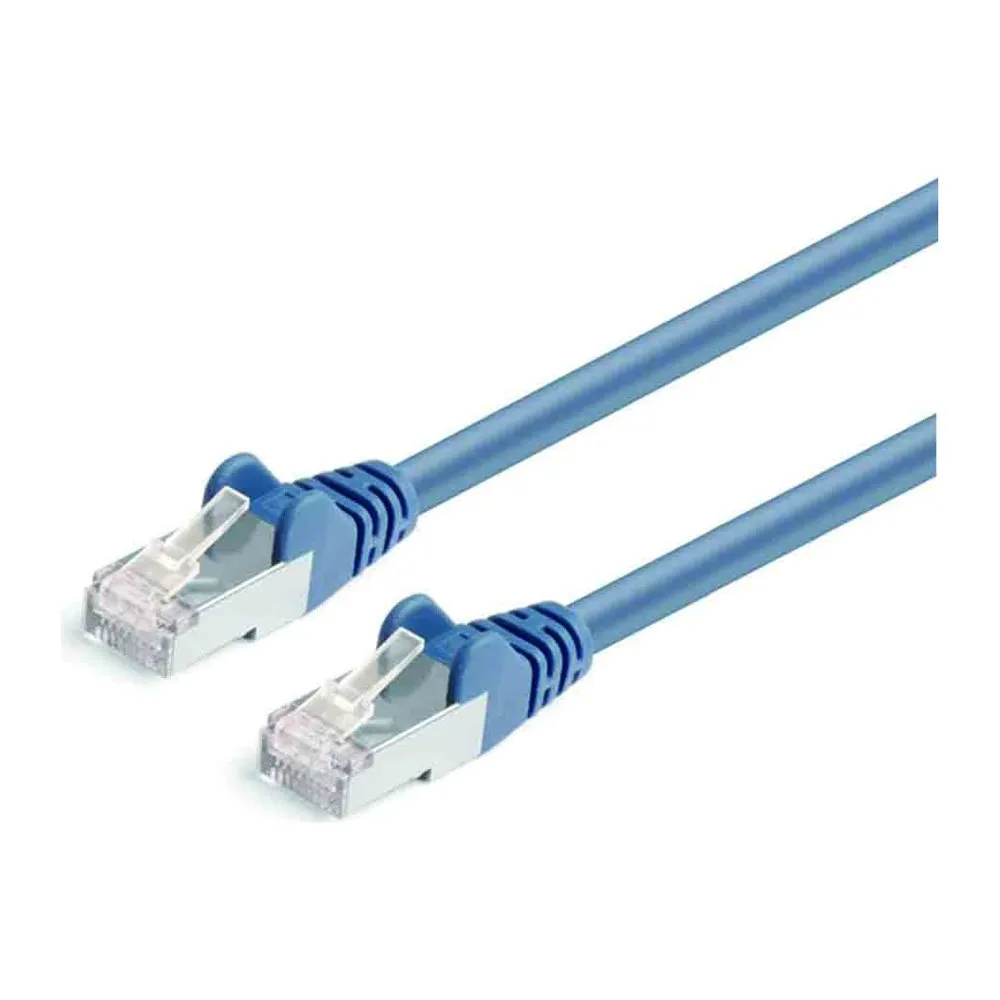 Cat6A & data-center Ethernet cableCat6A/Cat6/Cat5e patch cords, keystone runs, and bulk on the spool — solid bare copper, UTP or shielded, CMR/CMP, TIA-568 wiremap-tested, origin-documented.View →
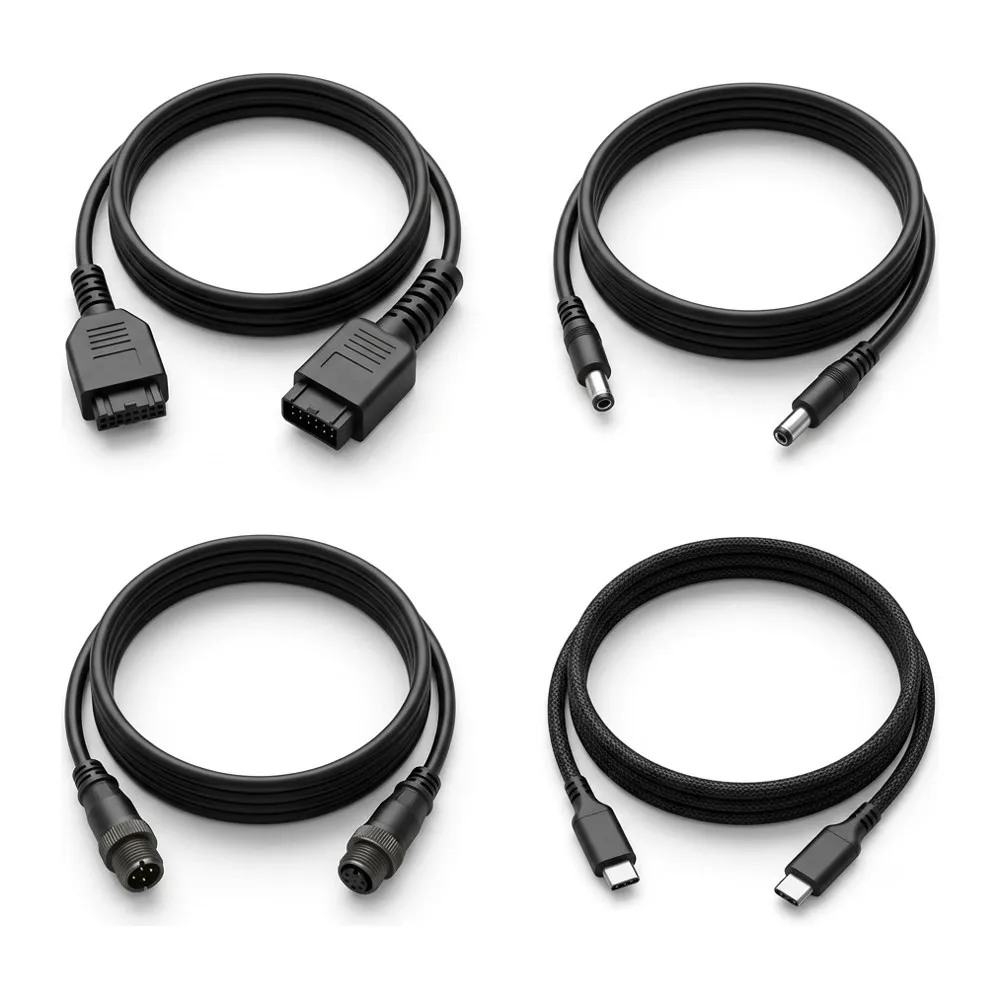 Custom cable assembliesCopper and hybrid assemblies to your drawing, with the termination method specified and the origin paper that survives entry.View →
Ready to source this to spec?
Kestner is a US company that mills, terminates, and tests Ethernet cable on its own lines — Cat6A, Cat6, and Cat5e, solid bare copper, UTP or shielded, CMR or CMP, TIA-568 wiremap-tested per run, with the origin record in hand. Send the spec and we will quote it built and tested, not relabeled.
Request a quote