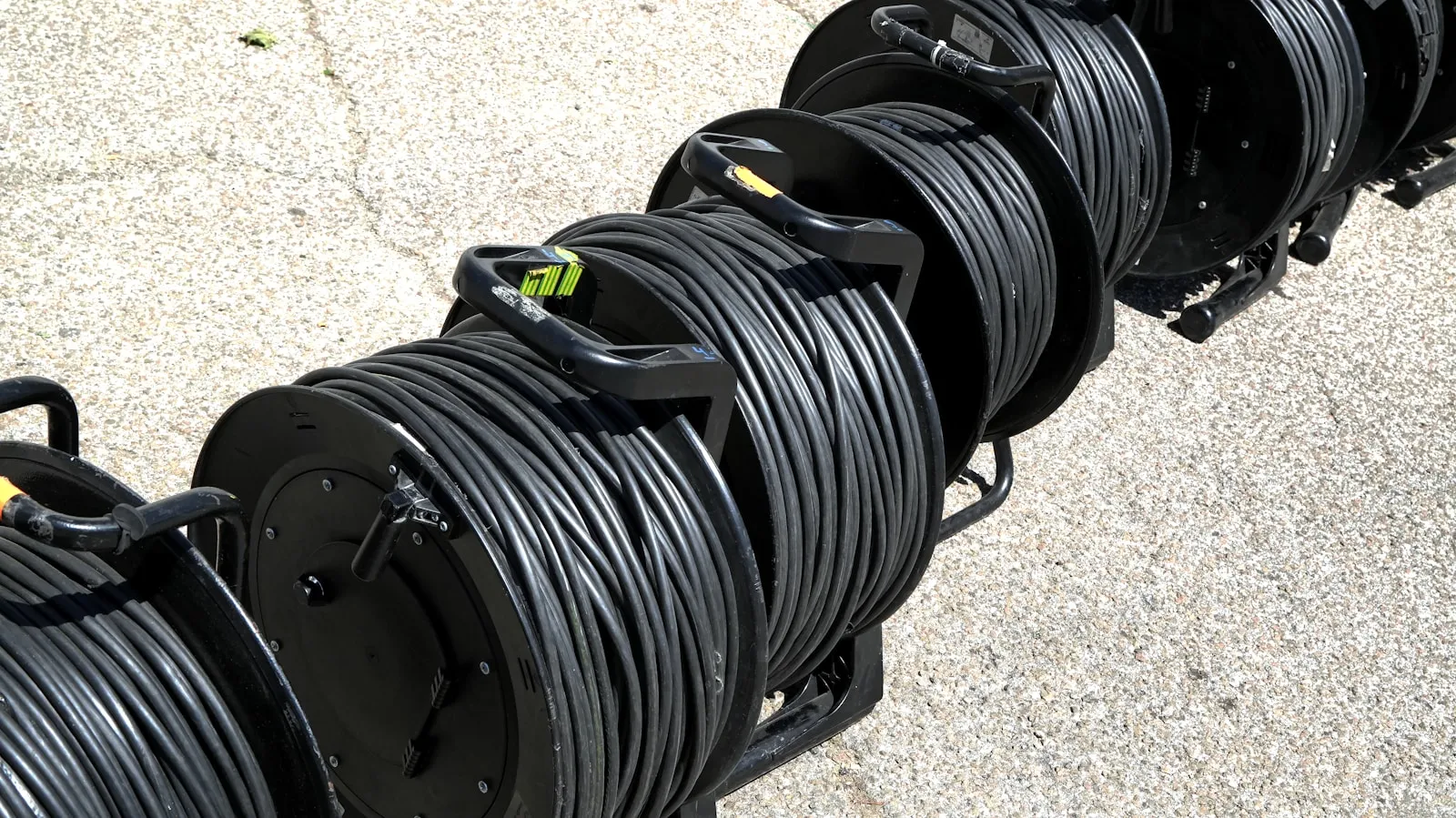
Quick answer
A power cord manufacturer worth buying from can show three things on demand: a UL 817 cord-set listing by file number, cordage and IEC 60320 connectors rated for your load, and a documented country of origin. Kestner builds IEC and data-center cords — C13/C14 to C19/C20 — on its own lines, with a Section 301-clean Vietnam origin option. Start with UL 817.
The short version
- A real manufacturer holds the UL 817 file and molds cordsets in-house; a relabeler buys finished cords and boxes them — ask who holds the safety file.
- Read the jacket print, not the listing photo: the cordage type (SJT / SVT), the AWG gauge, and the IEC 60320 connector rating all have to match the load.
- For high-density racks, up-amperage matters — C19/C20 couplers carry 16 A (IEC) where C13/C14 stop at 10 A.
- Country of origin is now part of the spec: a documented Vietnam or China origin decides your Section 301 exposure, not just your unit price.
- Demand five things before the PO — the UL file number, the cordage spec, the connector and plug codes, the national approvals per market, and per-unit origin records.
Choosing a power cord manufacturer looks simple — a plug, a cord, a connector — and that is exactly why it goes wrong. The market is full of companies that buy finished cords, print a box, and call themselves the manufacturer; on a quiet SKU you may never notice the difference, and on a UL audit or a customs hold you will. A real manufacturer can show you three things without hesitating: a UL 817 listing on the finished cord set, cordage and connectors rated for your actual load, and a documented country of origin. This is how to tell the maker from the relabeler, what to read on the spec sheet, and the documents to demand before a PO.
What a manufacturer has to prove — the cert stack
A power cord is a system, and every layer of it carries its own listing. The tell of a real manufacturer is that it holds the certification on the finished assembly, not just on the parts it bought.
- The cord set: UL 817 is the standard for cord sets and power-supply cords. The finished cord — plug, cordage, and coupler as one — is what gets listed, and the manufacturer that assembled it holds the file. Ask for the UL file number (an “E” number) and confirm it on UL Product iQ. A UL mark on the connector alone does not make the cord set listed. We ran exactly this check on seven retail cords — every UL number verified in minutes, and not one ETL number could be found; the bench study shows the method step by step.
- The coupler: the appliance end (C13, C19, and the rest) is governed by IEC 60320. The connector code is not cosmetic — it fixes the current rating and the temperature class.
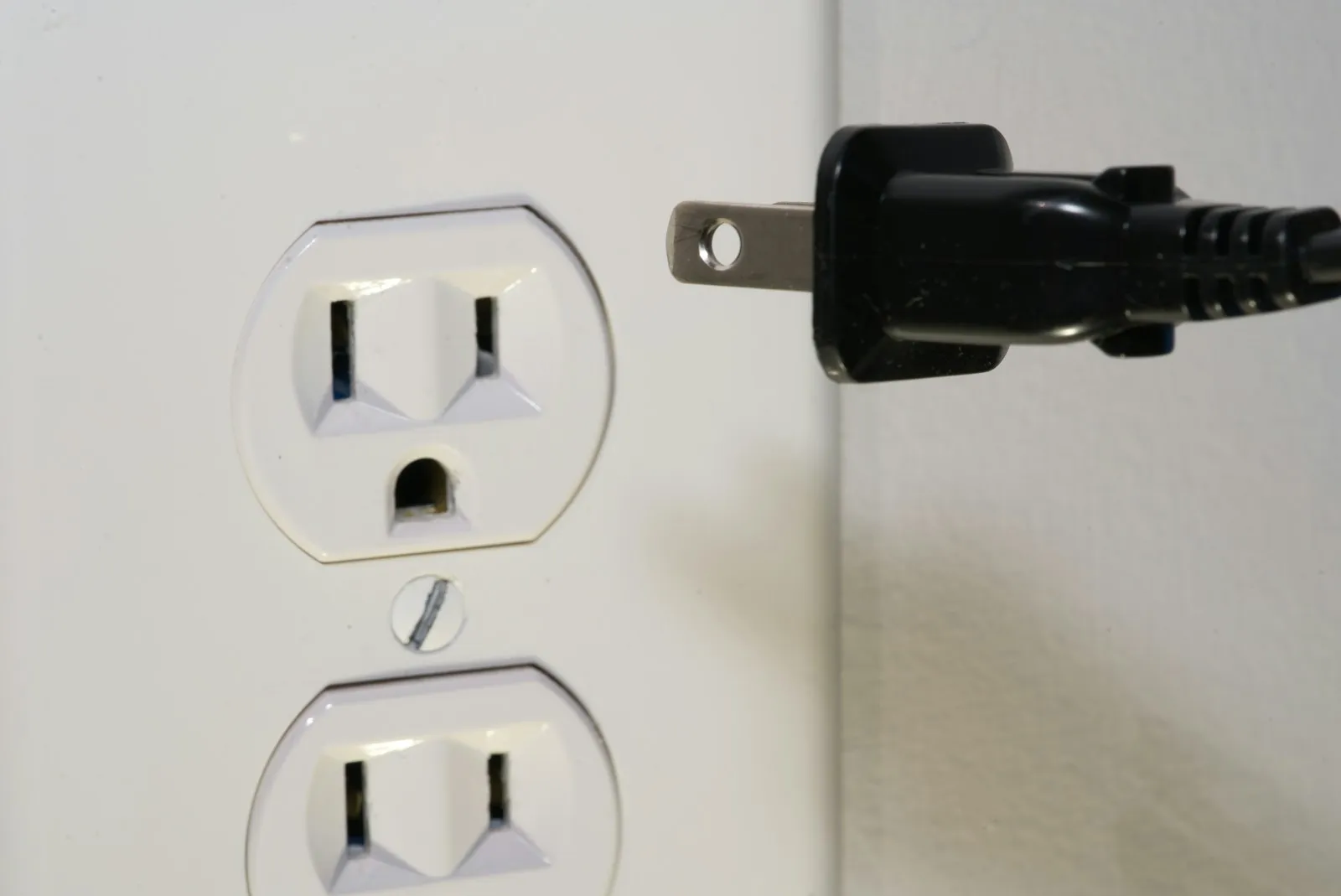
- The plug: the wall end follows the destination country’s standard — NEMA dimensions (per NEMA WD-6 and UL 498) in North America, and the national plug standard everywhere else.
- The cordage: the wire itself is listed to UL 62, and its type code (SJT, SVT, SPT) is printed down the jacket along with the gauge and voltage.
- The market approvals: if the cord ships abroad, each country wants its own mark — VDE and the harmonized
<HAR>mark for Europe, CCC for China, PSE for Japan, BS 1363 for the UK. A manufacturer that actually exports will know which of its SKUs carry which approval.
None of this is exotic. But a company that has to go ask its supplier for a file number, rather than reading it off its own paperwork, is a relabeler — and that is a different risk profile on price, lead time, and accountability.
Read the cordage and the connector, not the picture
The single most common sourcing error on power cords is buying to a photo and a plug type while ignoring the two things that decide whether the cord is safe under load: the cordage gauge and the connector rating.
Jacket print is the manufacturer’s own spec, stamped on the product. It reads something like SJT 18AWG 300V — the cordage type, the conductor gauge, and the voltage rating. Thinner is cheaper: an 18 AWG cord costs less copper than a 16 AWG one, and on a low-draw device it is fine — but drop an under-gauged cord onto a rack PDU and you have built a heat problem. Ampacity for flexible cord is set by NEC Table 400.5; match the gauge to the load, and read the jacket to confirm you got the gauge you paid for.
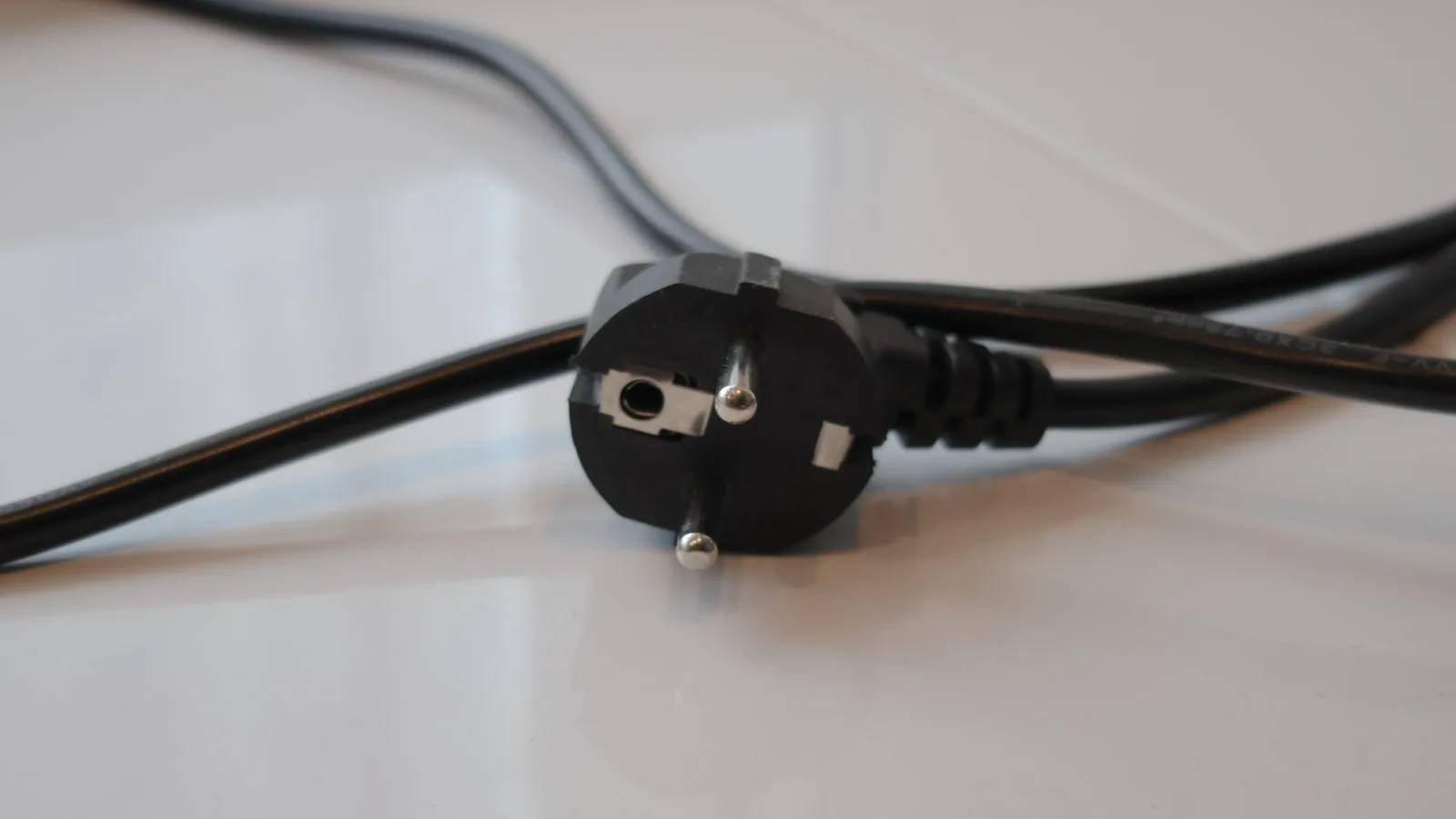
The connector fixes the ceiling. IEC 60320 couplers step up in current rating, which is why the data-center world moves off C13/C14 as racks get denser:
| Coupler (IEC 60320) | Rated current | Typical use |
|---|---|---|
| C5 / C6 | 2.5 A | Laptop bricks, “cloverleaf” adapters |
| C7 / C8 | 2.5 A | Figure-8, low-draw electronics |
| C13 / C14 | 10 A (IEC) · 15 A (UL) | Servers, switches, standard PDUs |
| C15 / C16 | 10 A | Higher-temp gear (PoE switches, some UPS) |
| C19 / C20 | 16 A (IEC) · 20 A (UL) | High-density racks, blade servers, big UPS |
Ratings per IEC 60320; the higher figure is the common North American (UL) rating. Always confirm the rating on the specific listed part — a coupler is only as good as its cordage and termination.
A manufacturer can change any of these — gauge, jacket type, connector, plug — because it molds the cord itself. A relabeler is stuck with whatever it stocked. That flexibility is the whole reason to buy from the maker — the same test that separates a real assembler from a reseller in any cable assembly buy.
Country of origin is part of the spec now
Since the 2026 tariff changes, where a cord is made is a spec line, not a footnote. Two identical C13 cords can land at very different costs depending on origin, and the difference only survives if the origin is real and documented. A manufacturer that owns lines in more than one country can give you a choice; a trading company usually cannot tell you where the cord was actually made.
Ask two questions. First: what is the country of origin, per unit, and can you prove it at entry? Substantial transformation has to happen where the paperwork says it did — see how to verify a Vietnam country of origin. Second: what does that origin do to my duty? The rates by HTS code live on the duty stack, kept current there so there is one number to cite rather than a figure quoted from memory. A manufacturer that treats origin as part of the quote — with records that survive a CBP review — is doing work a relabeler simply cannot.
The five documents to demand before a PO
BLUF: if a supplier cannot produce these five on request, you are talking to a relabeler, and you should price the risk accordingly.
| Demand | Why it matters | How to verify |
|---|---|---|
| UL 817 file number | The finished cord set is listed as an assembly, not just its parts | Look up the “E” number on UL Product iQ; confirm the scope covers cord sets |
| Cordage spec | Gauge and jacket type decide ampacity, temperature, and cost | Read the jacket print (type + AWG + voltage) and match to NEC 400.5 |
| Connector & plug codes | Coupler and plug must fit the load and the destination country | Confirm the IEC 60320 code and the NEMA / national plug on the drawing |
| National approvals | Legal to sell in each market you ship to | Ask which approvals (VDE, HAR, CCC, PSE, BS 1363) the SKU carries, per market |
| Per-unit origin record | Sets your Section 301 exposure and customs risk | Ask for the origin and the supporting production records, not a verbal answer |
The relabeler tell is not that they lack the product — the cord may be fine. It is that every one of these answers arrives a day later, after they have gone back to their supplier. When the cord fails a hipot test in the field or gets flagged at a port, that is the chain you are stuck negotiating through.
So, how do you choose
Reduce it to one question: does this company hold the file and mold the cord, or does it buy the cord and hold a box? Everything else follows — and it is the real difference between a power cord manufacturer and a power cord supplier reselling stock. A manufacturer can build a custom power cord to your gauge and length, mold an OEM power cord with your part number on the jacket, swap your plug for another market, give you a straight answer on origin, and stand behind a UL file with its own name on it. Ask for the five documents above, read the jacket print, and match the coupler to the load. If you want the cord and the country-of-origin math handled by the company that actually builds it, talk to us — send the spec, and we will quote it built, not relabeled.
Frequently asked
How do I verify a power cord manufacturer UL listing?
Ask for the UL file number (an "E" number) for the cord set and look it up on UL Product iQ. A UL mark on the connector or the cordage alone is not the same as a UL 817 listing on the finished cord set — the assembly is what gets certified, and that is what your compliance team will be asked for.
What is the difference between a power cord manufacturer and a supplier?
A manufacturer molds and tests the cord set on its own line and holds the safety file; a supplier or trading company buys finished cords and resells them. Ask whether they mold in-house, can change gauge, length, and plug, and 100% hipot-test each unit — the answers tell you which one you are talking to.
What certifications should a power cord have for the US market?
UL 817 for the cord set, an IEC 60320 coupler and a NEMA / UL 498 plug rated for the load, and cordage listed to UL 62 (for example SJT). For other markets add the national approval — VDE and the harmonized HAR mark for Europe, CCC for China, PSE for Japan, BS 1363 for the UK.
What amperage do C13, C14, C19, and C20 power cords carry?
C13 and C14 couplers are rated 10 A (IEC; commonly 15 A under UL), and C19 and C20 are rated 16 A (IEC; 20 A under UL). That gap is why high-density racks and higher-draw servers move to C19/C20. Match the coupler and the cordage gauge to the load, not just the wall plug.
Can a power cord manufacturer build to a Vietnam country of origin?
Yes. Cord sets can be built in Vietnam or China, and the origin is a sourcing choice that changes your tariff exposure. Ask for per-unit origin records that survive a customs entry; the duty stack page has the current rates by HTS code.
Sources
- UL 817, Standard for Cord Sets and Power-Supply CordsUL
- IEC 60320, Appliance couplers for household and similar general purposesIEC
- UL 62, Flexible Cords and Cables (cordage types and markings)UL
- Flexible cord ampacity, NEC (NFPA 70) Table 400.5National Fire Protection Association
- Country-of-origin marking and entry treatmentUS Customs & Border Protection
More in this cluster
Products in this line
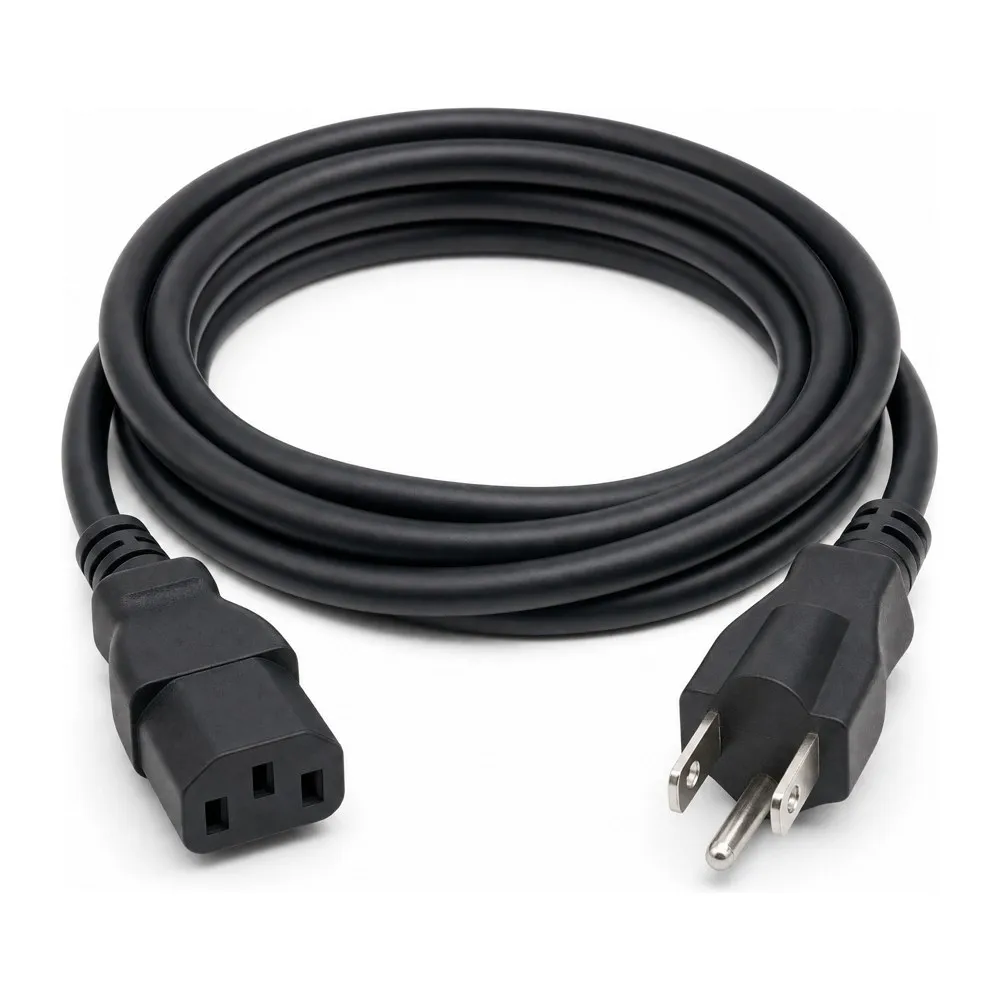 IEC & data-center power cordsC13/C14, C19/C20, C7/C5, and PDU whips — molded to your length, plug, gauge, and label, UL/cUL and VDE rated, with a documented origin.View →
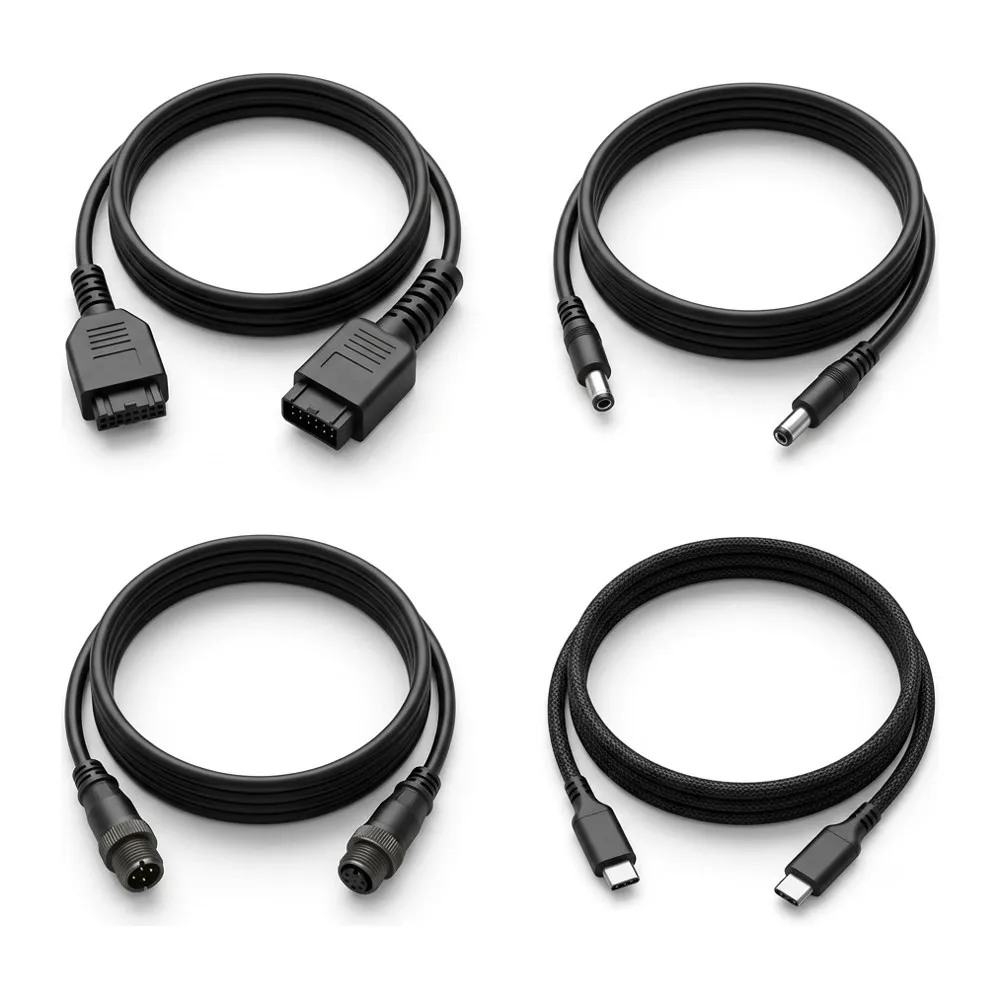 Custom cable assembliesBuilt to your drawing, with the termination method specified and the origin paper that survives entry.View →
Ready to source this to spec?
Kestner is a US company that builds IEC and data-center power cords on its own lines — C13/C14 to C19/C20, to your gauge, plug, and label, with the UL file and the country-of-origin record in hand. If you are vetting a power cord manufacturer, send us the spec and we will quote it built, not relabeled.
Request a quote