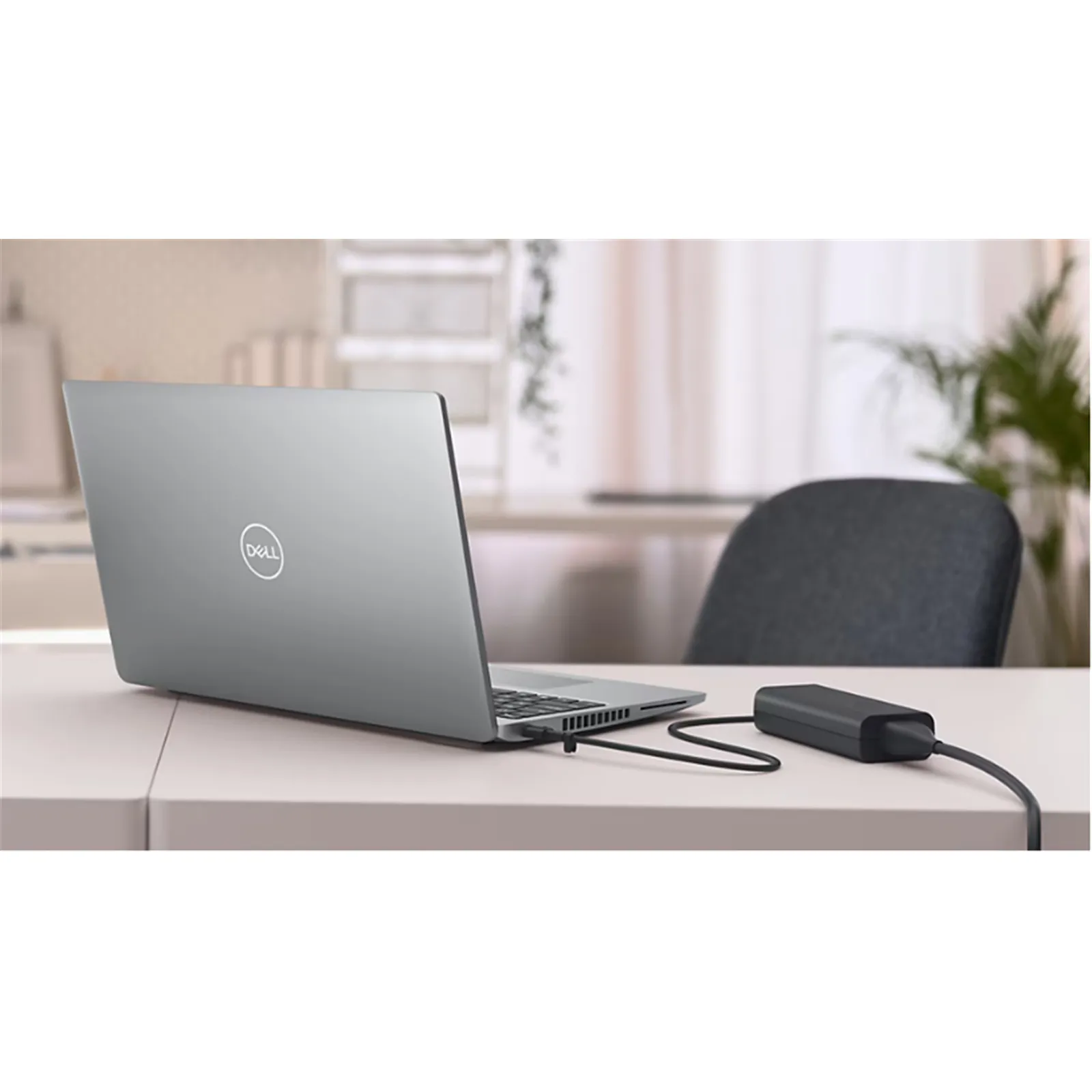
Quick answer
A power supply is a spec, not a part number. To source one, name the output (voltage and current), the form factor (open-frame, enclosed, DIN-rail, or external adapter), the safety class (UL, medical IEC 60601, or industrial), and the efficiency level (DoE Level VI). Get those right and any competent supplier can quote it; get them wrong and you buy the wrong box. Kestner builds power supplies and adapters to your spec, in its own factories in China and Vietnam. See UL.
The short version
- Spec a power supply on four axes: output (V and A), form factor, safety/application class, and efficiency. Miss one and the quote is guesswork.
- Form factor decides the build: external adapter, open-frame (inside your equipment), enclosed (its own case), or DIN-rail (control cabinets).
- The application class sets the standard: commercial (UL 62368), industrial (wide-temp, DIN-rail), medical (IEC 60601-1), or LED (constant-current drivers).
- External adapters must meet a mandatory efficiency floor (DoE Level VI / EU CoC Tier 2). Name the agency and the level in the RFQ, not just "UL".
A power supply is a spec, not a part number. Two units that both say “24 V, 5 A” on the label can be a bare board meant to sit inside your equipment or a sealed brick on a desk, a commercial part or a medical one, a Level-VI-efficient design or one that cannot be sold in the US. Sourcing one well is mostly about naming those differences before you ask for a price — because a supplier quotes exactly what you specify, and the gaps are where the wrong box gets shipped. Here is what you are actually speccing when you source a custom power supply, the form factors and application classes to choose between, the safety and efficiency you have to name, and how to buy it — including the origin question that moves the landed cost more than the unit price does.
What you are actually speccing
Four axes define a power supply, and a real quote needs all four:
- Output — the DC voltage and the current (or the wattage), plus whether you need one rail or several.
- Form factor — external adapter, open-frame board, enclosed unit, or DIN-rail module.
- Safety and application class — commercial, industrial, or medical, each with its own standard and agency mark.
- Efficiency and compliance — the mandatory efficiency floor, the agency listings, and the regional marks.
Miss one and the supplier fills the gap with an assumption, which is how a “24 V 5 A” line item comes back as the wrong thing. Name all four and the quote is real.
Form factor: external, open-frame, enclosed, or DIN-rail
The form factor decides where the supply lives and what it costs to build. This is the first fork, and it is often mis-specified.
| Form factor | What it is | Where it fits |
|---|---|---|
| External | Adapter in its own case, cord to the device (desktop or wall-plug) | Consumer and light commercial — the “power adapter” |
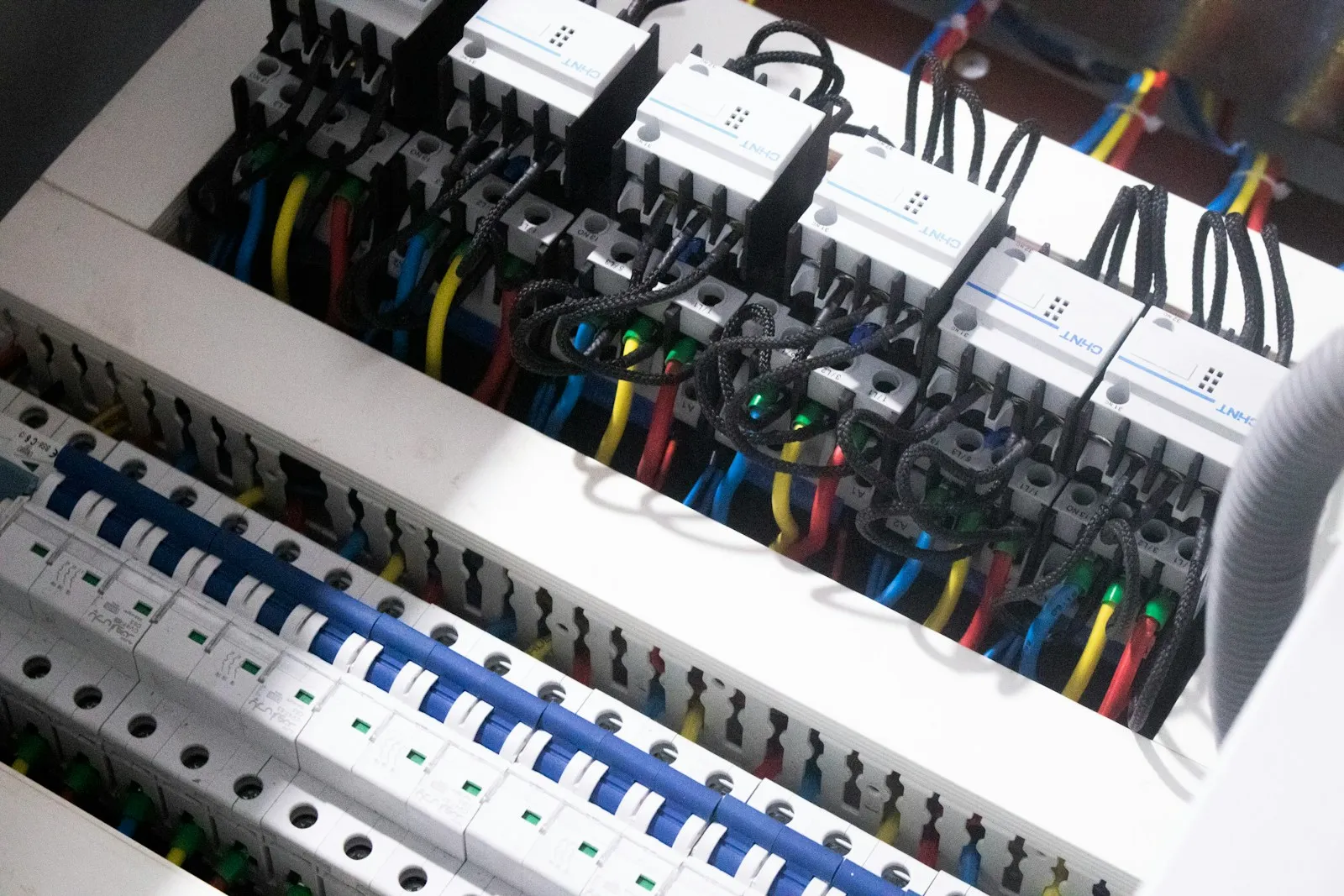
| Open-frame | Bare PCB, no enclosure | Built inside your equipment; OEM designs, lowest cost |
| Enclosed | Boxed in a vented metal case | Industrial machines and panels; safe to mount on its own |
| DIN-rail | Clips onto a DIN rail in a cabinet | Automation, control panels, building systems |
An open-frame supply is the cheapest and lightest but must live inside a protective enclosure you provide; an enclosed unit costs more because it brings its own. DIN-rail is the default in control cabinets, and an external adapter is what most people mean by “power adapter” — a separate desktop or wall-mount brick.
Output: voltage, current, and headroom
Name the DC rail — 5, 12, 24, and 48 V cover most of the field, with 36 V and others for specific loads — and the current in amps, or the total watts. Two rules save trouble: size the current with headroom (a supply run continuously near its ceiling runs hot and dies early — leave roughly 20–30%), and decide whether you need a single output or a multi-output supply before you quote, because it changes the design. Low-voltage DC rails for LED, CCTV, automation, and networking loads are all the same sourcing exercise: state the rail, the current, and the tolerance. (A dedicated 12 V vs 24 V buyer’s guide is a spoke off this page.)
Application class: commercial, industrial, medical — and LED
The application class sets which safety standard the supply is built and tested to, and it is not a detail you can add later:
- Commercial — general IT and AV equipment, built and listed to UL 62368-1 (with CE/UKCA for Europe).
- Industrial power supply — wide operating temperature, often enclosed or DIN-rail, sometimes conformally coated for dust and humidity; the plant-floor and automation default.
- Medical power supply — built to IEC 60601-1, with tighter leakage-current limits and defined patient-protection (MOPP) for anything that touches or is near a patient. This is its own sourcing exercise and its own spoke.
- LED power supply — LED drivers are often constant-current rather than constant-voltage, and outdoor signage or lighting wants an IP-rated (potted, waterproof) build. CCTV and access-control supplies sit in the same low-voltage, multi-drop world.
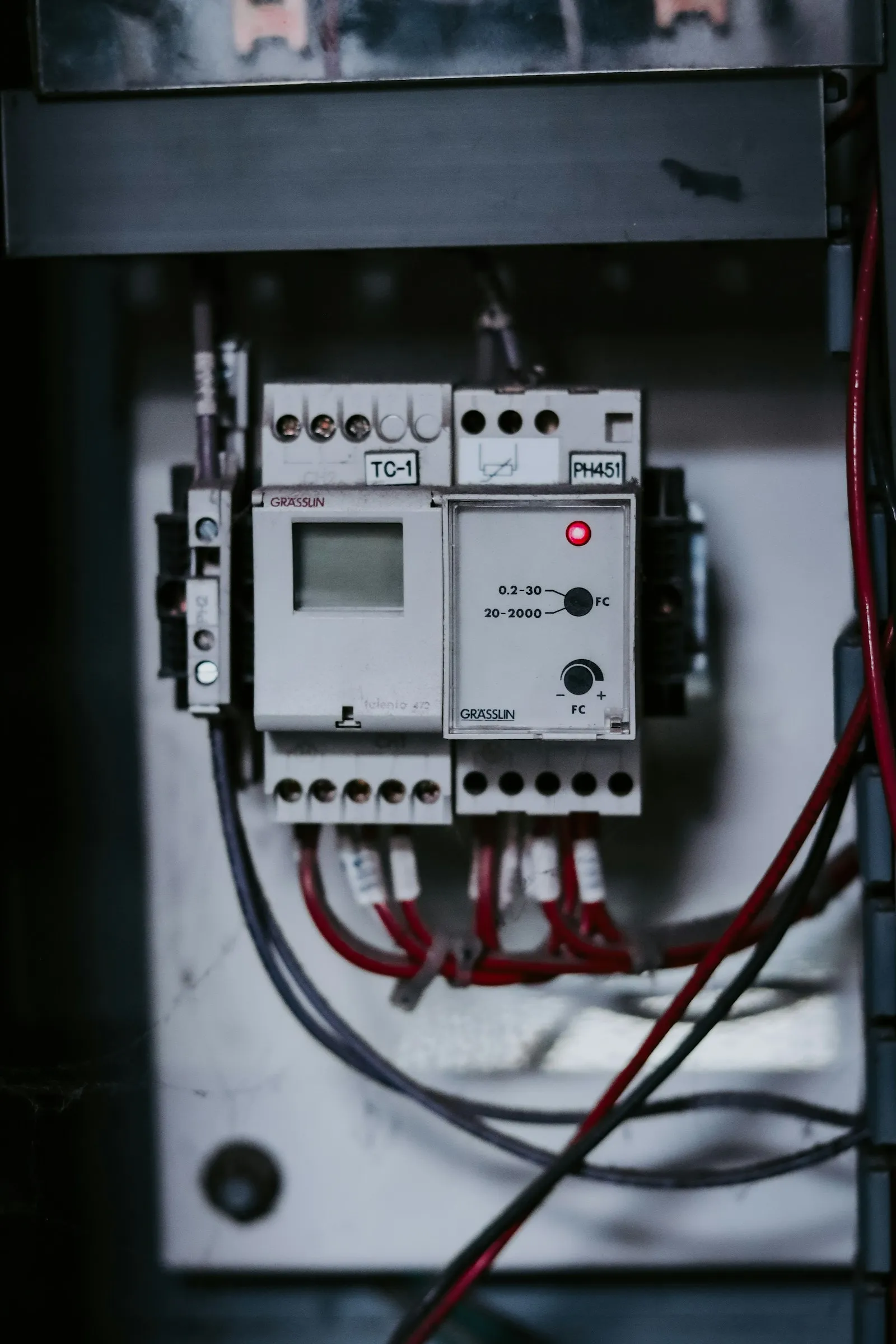
Spec the class up front, because a medical or industrial supply is a different product and a different price than a commercial one — not an upgrade you bolt on.
Safety and efficiency: UL, IEC, and DoE Level VI
Two things a US buyer must name beyond the class. First, the agency listing: UL/cUL listing versus recognition is not the same paper, and a device with an external adapter usually needs its own marks. Second, efficiency is mandatory — external AC/DC adapters sold in the US must meet the DoE Level VI standard (the EU’s CoC Tier 2 is the parallel), governing active efficiency and no-load power. A supplier that cannot speak to Level VI and the agency file is quoting a part you may not be able to sell. Put both in the RFQ.
Where to source it — and the origin question
Sourcing comes down to a clean RFQ and the right origin. Send a one-page spec — output, form factor, class, agency, connector, volume, target cost — and a competent power supply supplier quotes it firmly. Then the second lever, the one that usually moves landed cost more than the unit price: country of origin. Power adapters (HTS heading 8504.40) carry a real duty stack, and the gap between China and Vietnam is worth mapping before you place the order.
8504.40.85) by country of origin — each bar split into the layers that make it up. Rendered from our verifiedduty-stack dataset (verified 2026-08-07).- MFN base
- Section 301 · China (25%)
- Section 301 forced-labor (12.5%)
25.0 points separate China from Vietnam — the entire China Section 301 layer, which Vietnam does not carry. The forced-labor duty lifts both origins by the same amount, so the gap between them is unchanged. Mexico enters duty-free under USMCA.
Effective rate by product category — China vs. Vietnam
8504.40.858544.42.908544.20.008544.70.00The China–Vietnam gap is the Section 301 layer, and it survives only if the Vietnamese origin is genuine — so the sourcing decision and the origin paper are the same decision. For the full breakdown, see the duty stack and the China vs Vietnam comparison; for what the 2026 tariff change did to it, see Vietnam tariffs in 2026. To source a supply to spec, see custom & OEM power supplies.
Frequently asked
How does a power supply convert AC to DC?
A switching (SMPS) power supply rectifies the incoming AC to DC, chops it to high frequency through a switching transistor and a small transformer, then rectifies and filters that to a regulated DC output. Switching designs are how a modern supply is small, light, and efficient, versus the heavy linear transformers they replaced. What you source is that regulated output — a stated voltage and current — at a given efficiency and safety class.
What is an AC/DC power supply?
An AC/DC power supply converts AC mains (roughly 100 to 240 V) into a regulated DC output for a device — 5, 12, 24, or 48 volts are the common rails. It is the same function whether it ships as an external adapter, an open-frame board built into equipment, an enclosed metal unit, or a DIN-rail module; the form factor and the safety class change, the AC-to-DC job does not.
Where can I buy a custom or industrial power supply?
You do not buy a custom power supply off a shelf — you spec it and source it from a supplier who can build to your output, form factor, and agency approvals, and stand behind the safety file. Send a one-page spec (voltage, current, form factor, safety class, connector, volume), and a competent supplier quotes it. Kestner builds power supplies and adapters to spec in its own factories in China and Vietnam, with the origin paper that survives customs.
What do I need to send to get a power supply quote?
Six things: the output voltage and current (or wattage), the form factor (external, open-frame, enclosed, or DIN-rail), the safety and application class plus the agency (UL, cUL, CE, or medical IEC 60601), the DC connector or output leads, the annual volume, and a target cost. The more of that a supplier has up front, the faster and firmer the quote — gaps are where the wrong supply gets priced.
Open-frame vs enclosed power supply — which do I need?
Open-frame is a bare board with no case: cheapest and lightest, meant to be built inside your own enclosure where its exposed parts are protected. Enclosed is boxed in a vented metal case, safe to mount on its own in a machine or panel. Pick open-frame when the supply lives inside your product, enclosed when it needs to stand alone.
Sources
- Product safety — audio/video, IT & power equipmentUL 62368-1
- Medical electrical equipment — general safetyIEC 60601-1
- External power supply efficiency (Level VI)U.S. DoE 10 CFR 430
More in this cluster
Products in this line
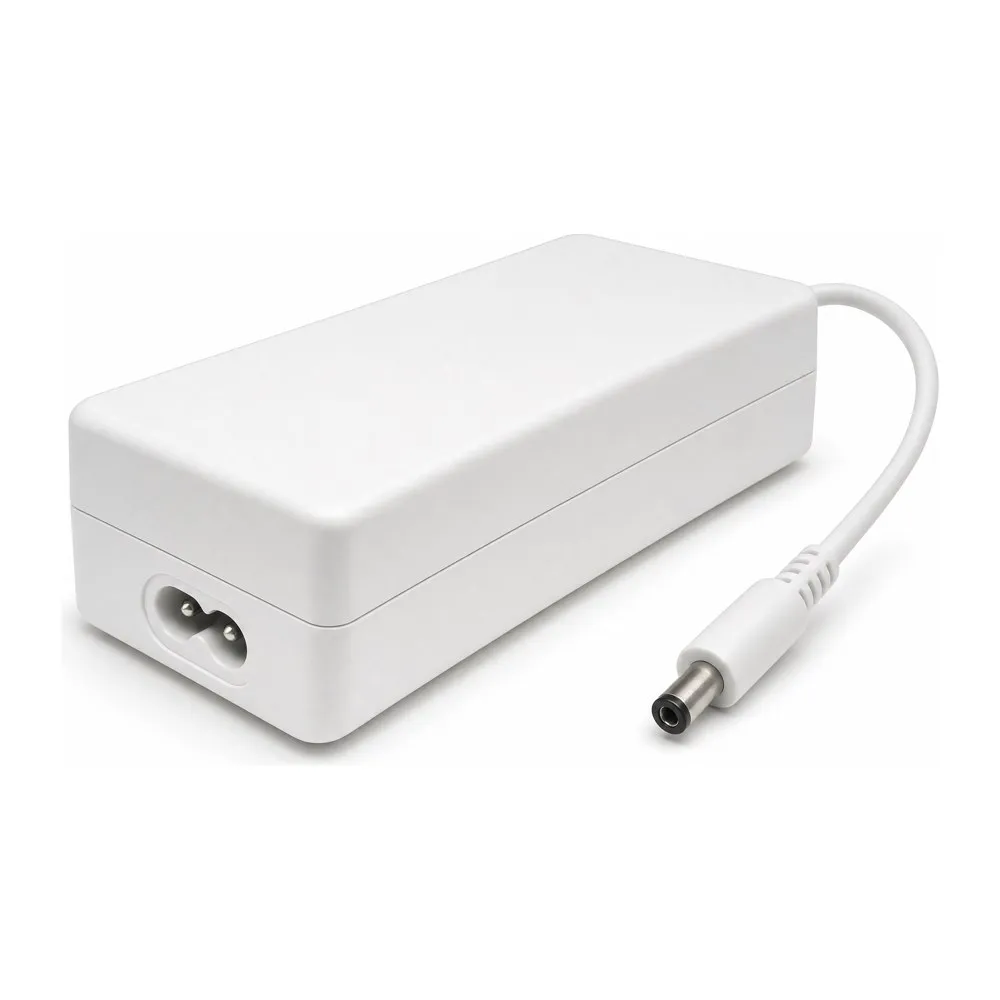 Custom & OEM power suppliesAC/DC supplies built to your output, form factor, and agency approvals — in both origins.View →
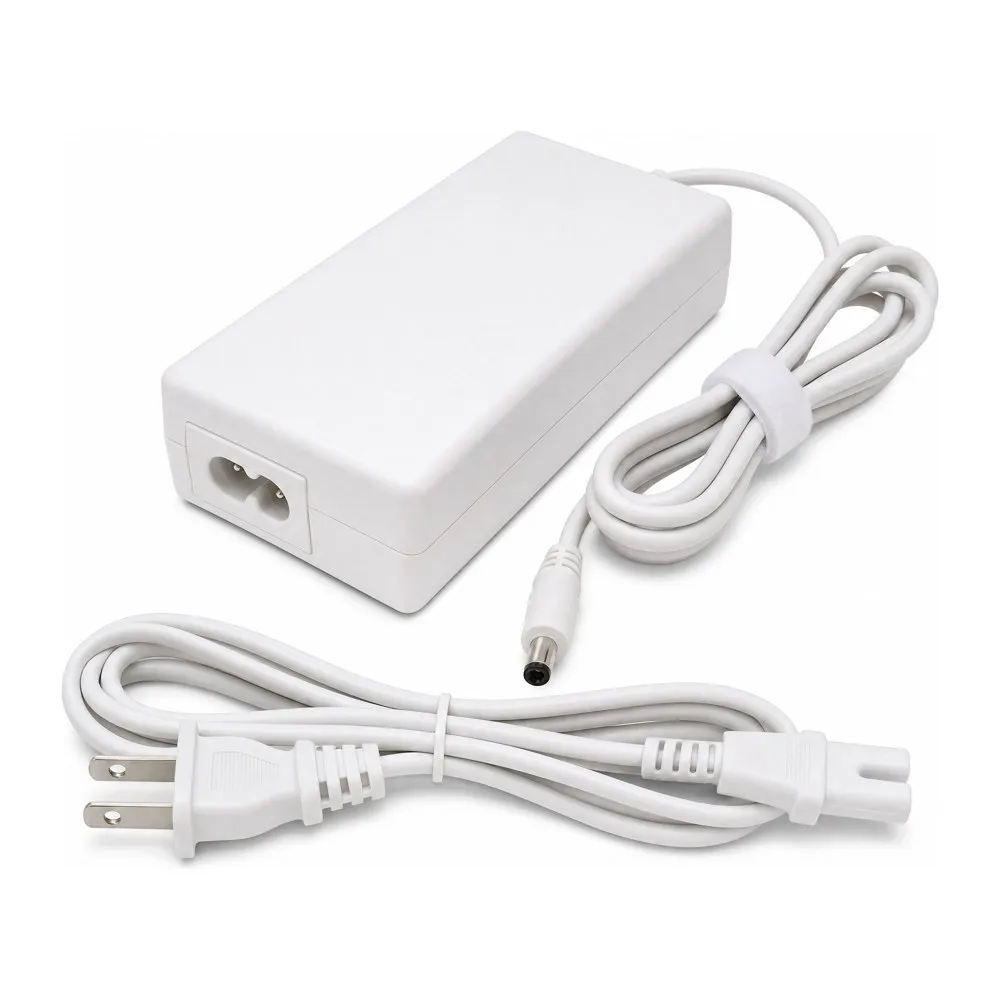 Desktop power adaptersExternal desktop adapters to spec, DoE Level VI, with the safety file and the records.View →
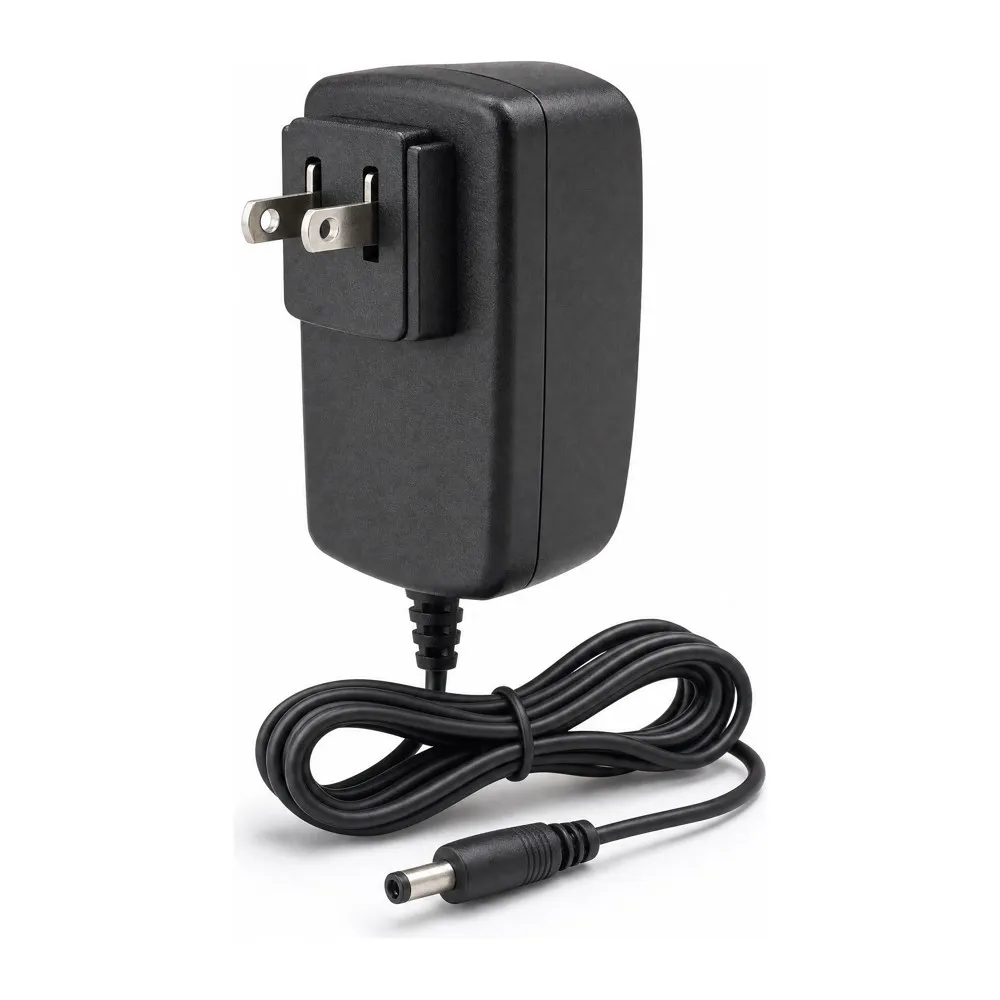 Wall-mount power adaptersWall-plug adapters with the plug standard, agency mark, and efficiency you name.View →
Ready to source this to spec?
Kestner builds AC/DC power supplies and adapters to your spec — output, form factor, agency approvals, and efficiency — in its own factories in China and Vietnam, and hands you the safety file and the origin paper with the shipment. One US company that builds to the drawing, not the guess.
Request a quote