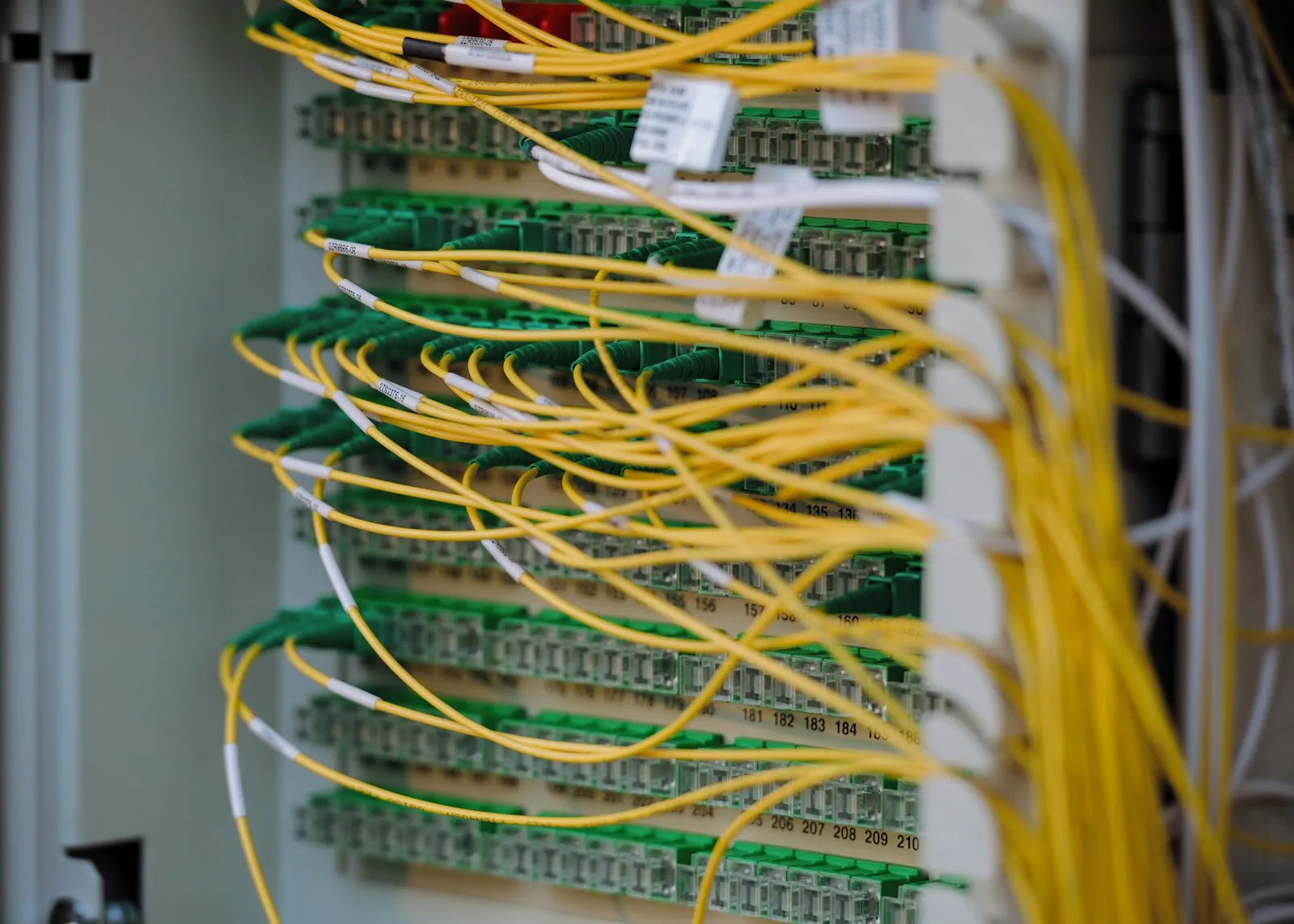
Quick answer
A custom fiber optic cable assembly is defined by six choices — fiber type (OS2 / OM3 / OM4 / OM5), connector (LC / SC / MPO), polish (UPC / APC), polarity (Base-8 / Base-12), jacket, and length — and each one is a failure mode if it is wrong. Kestner builds them on its own fiber lines, 100% insertion- and return-loss tested to Telcordia GR-326.
The short version
- A "custom" fiber assembly is not one spec — it is six: fiber type, connector, polish, polarity, jacket, and length. Lock all six on the drawing.
- On single-mode, polish decides return loss: APC (angled, green boot) holds ≥ 60 dB where UPC holds ≥ 50 dB — mixing them on a link is a common, costly error.
- 400G and 800G optics are parallel — they split a port into 4 or 8 lanes — which is why Base-8 MPO trunks and MPO-to-LC breakouts now dominate new builds.
- The loss budget on a parallel link is tight; demand a per-assembly insertion- and return-loss test report, not a lot sample.
- Every endface should be scoped to IEC 61300-3-35 before it ships — a contaminated connector is the single most common cause of link failure.
A custom fiber optic cable assembly looks like a commodity — a length of glass with a connector on each end — and on a 10G link inside one rack, it nearly is. On a 400G or 800G link between rows, it is a precision part, and the word “custom” hides six separate decisions, each of which is a failure mode if you get it wrong. The configurator pages will let you click through all six without telling you which ones matter. Here is what each choice actually decides, why the move to 400G and 800G rewrote the trunk, and the loss, test, and origin specs to lock before a fiber drawing goes out to quote.
What “custom” actually means on a fiber assembly
A custom fiber assembly is not one specification — it is six, and a quote that does not pin all six is not a real quote. Before you compare prices, decide:
- Fiber type. OS2 single-mode for reach and for 400G/800G; OM3, OM4, or OM5 multi-mode for shorter data-center runs. The type sets the reach — OS2 goes 10 km and beyond, OM4 reaches roughly 400 m at 10G — and the two are not interchangeable.
- Connector. LC is the density default; SC and ST persist on legacy gear; MPO/MTP is how you carry 8, 12, or more fibers in one ferrule for parallel optics.
- Polish. UPC or APC — the single most commonly botched line on a fiber drawing (its own section below).
- Polarity. For MPO, Base-8 or Base-12, and the polarity method (A, B, or C) that keeps transmit mapped to receive end to end.
- Jacket and rating. Riser (OFNR) or plenum (OFNP), the jacket material, the bend radius, and the diameter that has to fit your cable management.
- Length. Measured, not rounded — slack is cost and congestion; short is a re-order.
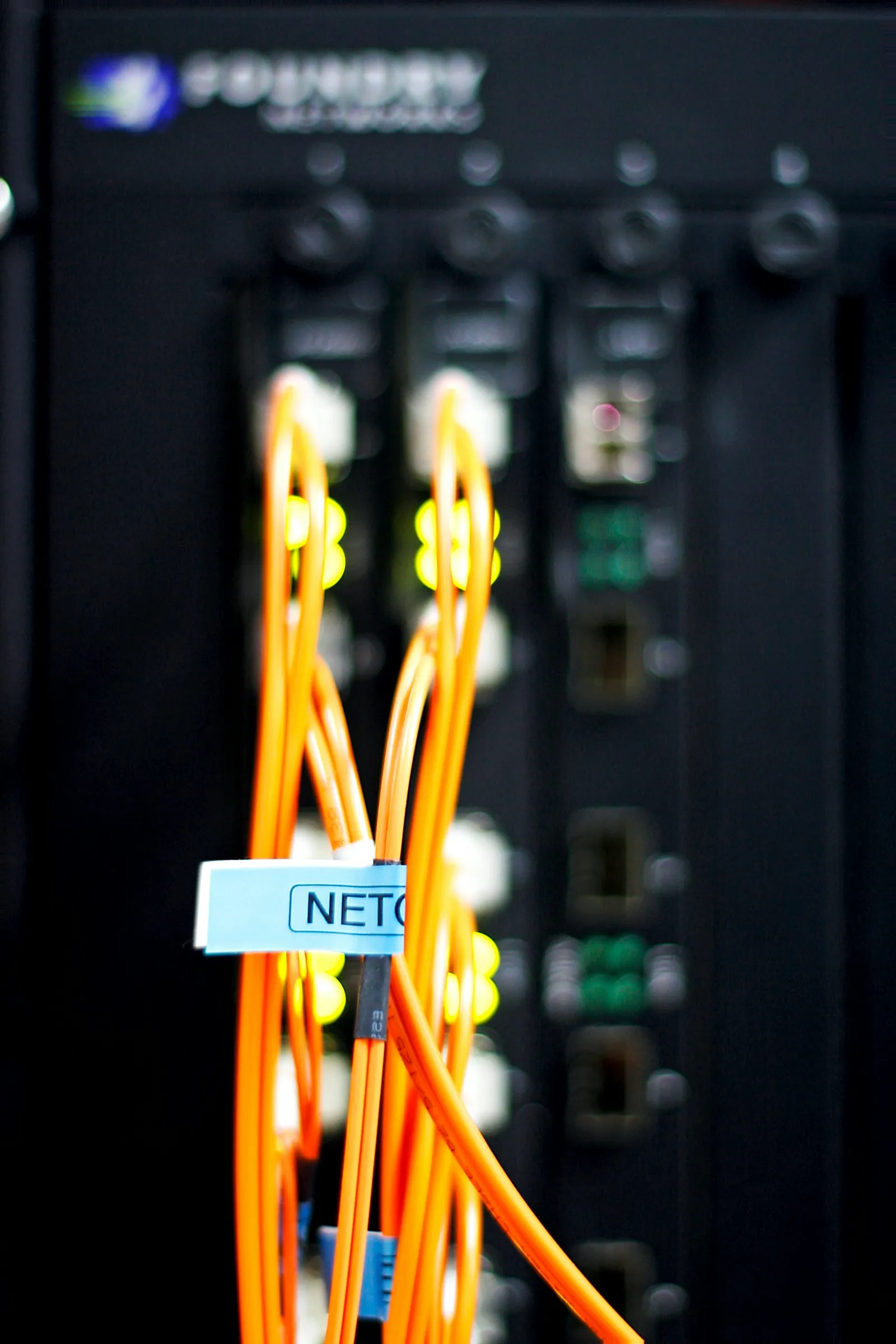
A manufacturer can build any combination of these because it terminates and tests the assembly itself. A broker sells you the combination it happens to stock — which is why “we can get that” and “we build that” are different answers to the same question.
Polish and loss: the numbers that decide a link
BLUF: on single-mode, the polish choice decides your return loss, and mismatched polish is a link killer. UPC (Ultra Physical Contact) is polished nearly flat; APC (Angled Physical Contact) is polished to an 8-degree angle so back-reflected light is thrown into the cladding rather than straight back up the core.
| UPC | APC | |
|---|---|---|
| Endface | Flat / slight dome | Angled 8 degrees |
| Boot color | Blue (single-mode) | Green |
| Return loss | ≥ 50 dB | ≥ 60 dB |
| Where it belongs | Most data-center single-mode and multi-mode | High-speed, long-haul, RF-over-fiber, PON |
| Mates with | UPC only | APC only |
Return-loss figures are typical single-mode values; the exact ceilings for insertion and return loss are set by the IEC 61755 loss grades, and the endface geometry that delivers them by Telcordia GR-326. Mating an APC connector to a UPC one damages both endfaces — the geometries do not meet.
Insertion loss is the other half. IEC 61755 defines the loss grades; a good single-mode assembly holds insertion loss to a few tenths of a dB per mated pair. On a parallel 400G or 800G link the loss budget is unforgiving — every mated pair and every splice spends part of it — so the number that matters is the tested loss on the assembly in your hand, not the datasheet typical. That is why a real manufacturer ships a per-unit test report, and it is the first thing to ask for.
Base-8 vs Base-12: why 400G and 800G changed the trunk
The reason MPO trunks and breakouts took over the data center is that modern high-speed optics are parallel: a 400G or 800G transceiver does not push all its data down one fiber pair, it splits the port into 8 lanes. That reshapes the cabling.
- Base-12 MPO came from the 40G-SR4 era, which used 8 of 12 fibers and stranded the other four. It is everywhere in installed base.
- Base-8 MPO carries 8 fibers with none stranded, mapping cleanly onto 400G and 800G. New builds standardize on it, and on MPO-to-LC breakouts that fan a parallel port out to discrete duplex ports.
Get the polarity method (A, B, or C) right or transmit will not land on receive; it is the other spec that has to be on the drawing, alongside whether you want pre-terminated trunks or field-friendly breakouts. This is the layer where a data-center fiber plant is actually won or lost — see the data-center fiber & patch cable build options for the trunk and breakout configurations.
Test and origin: what to demand before the PO
BLUF: two documents separate a fiber manufacturer from a reseller — a per-assembly optical test report and a per-unit country-of-origin record.
| Demand | Why it matters | How to verify |
|---|---|---|
| Per-assembly loss test | Parallel links have no loss budget to spare | Ask for the insertion- and return-loss report keyed to each serial, not a lot sample |
| Endface inspection | A dirty or scratched endface fails the link and damages the mate | Confirm every connector is scoped to IEC 61300-3-35 zones |
| Polish & polarity on the drawing | UPC/APC and Base-8/12 mismatches are silent until turn-up | Put the polish, polarity method, and boot color in writing |
| Reliability grade | Single-mode connectors face endface and environmental stress | Ask whether the connector qualifies to Telcordia GR-326 |
| Per-unit origin record | Sets Section 301 exposure and customs risk | Ask for the origin and supporting records, not a verbal answer |
The same discipline that separates a real assembler from a reseller in a cable assembly buy applies here, with one addition unique to glass: contamination. Fiber does not tolerate a fingerprint.
How to buy custom fiber assemblies
Reduce the buy to two questions: does this company terminate and test the fiber itself, and can it prove the loss and the origin on the unit you receive? If yes, everything else — polish, polarity, jacket, length — is a line on a drawing it can build to. Spec all six choices, demand the per-assembly test report, and match the polish and polarity to the link, not to whatever is in stock. If you want the assembly and the country-of-origin math handled by the company that actually builds and tests it, send us the drawing — we will quote it built, not brokered.
Frequently asked
What is a custom fiber optic cable assembly?
It is a fiber cable terminated and tested to your exact specification rather than pulled from a catalog — you choose the fiber type (OS2 single-mode or OM3/OM4/OM5 multi-mode), the connectors (LC, SC, ST, or MPO/MTP), the polish (UPC or APC), the polarity for MPO, the jacket and rating, and the length. A real manufacturer terminates, polishes, and tests each one.
What is the difference between UPC and APC fiber connectors?
The endface geometry. UPC is polished flat (a slight dome); APC is polished at an 8-degree angle so reflected light bounces into the cladding instead of back up the fiber. That gives APC a much better return loss — typically 60 dB or better versus 50 dB for UPC on single-mode — which matters on high-speed and long-haul links. APC connectors carry a green boot; do not mate APC to UPC.
What is the difference between Base-8 and Base-12 MPO?
The fiber count in the MPO connector. Base-12 uses 12 fibers and came from the 40G era; Base-8 uses 8 and maps cleanly onto todays parallel optics, where 400G and 800G transceivers use 8 lanes. Base-8 trunks strand no unused fibers for those applications, which is why new data-center builds standardize on them. Confirm the polarity method (A, B, or C) as well.
What insertion loss should a fiber assembly have?
It depends on the grade, but a good single-mode assembly holds insertion loss to a few tenths of a dB per mated pair, with the exact ceilings set by IEC 61755 loss grades. On a 400G or 800G parallel link the total budget is tight, so the number that matters is the tested loss on the specific assembly, not a datasheet typical — ask for the per-unit test report.
Can custom fiber assemblies be built to a specific country of origin?
Yes. Fiber assemblies can be built in Vietnam or China, and the origin is a documented sourcing choice that changes your tariff exposure. Ask for per-unit origin records that survive a customs entry; the duty stack page carries the current rates by HTS code.
Sources
- Telcordia GR-326, single-mode connector reliability & endface geometryiconectiv (Telcordia)
- IEC 61300-3-35, fiber optic connector endface inspectionIEC
- IEC 61755, connector optical interfaces and loss gradesIEC
- ANSI/TIA-568, structured cabling and fiber polarityTIA
- Country-of-origin marking and entry treatmentUS Customs & Border Protection
More in this cluster
Products in this line
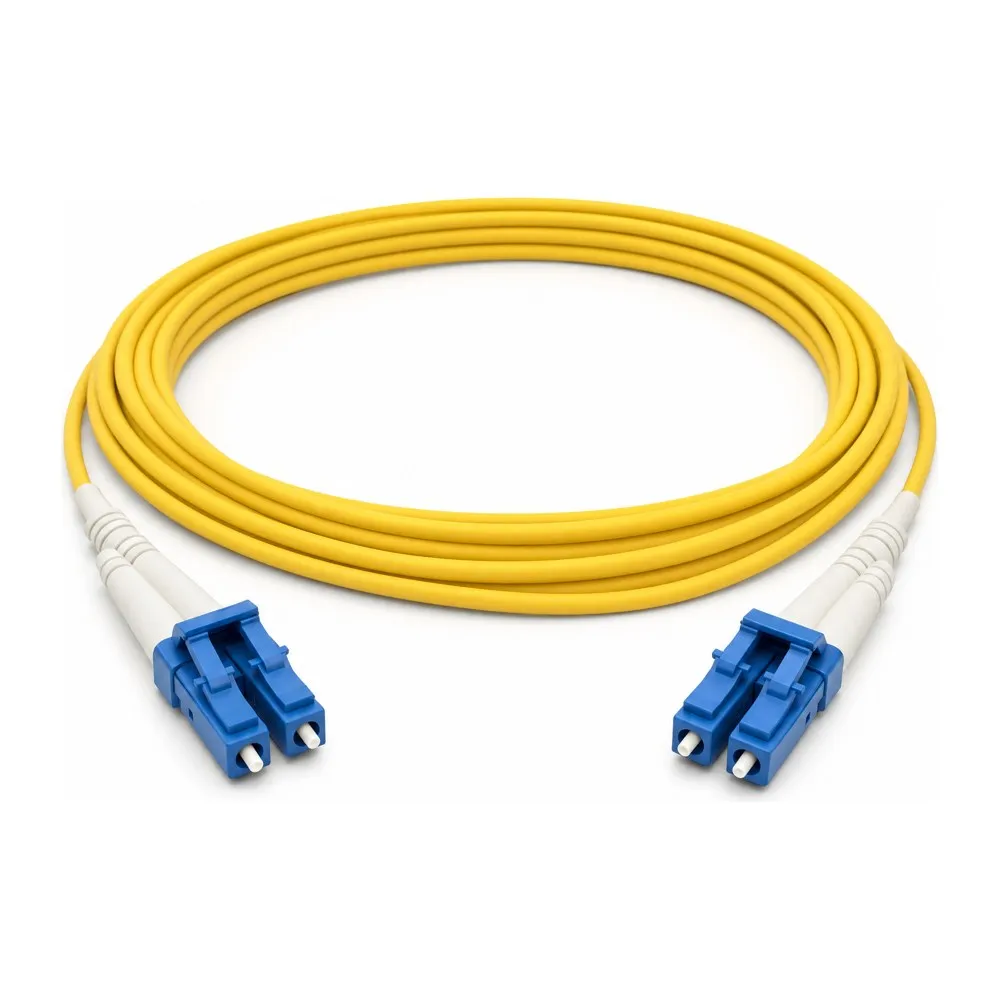 Data-center fiber & patch cableOS2 and OM3/OM4/OM5 LC/SC/ST patch cords, MPO/MTP breakouts, and pre-terminated trunks — built to your drawing, insertion- and return-loss tested, origin-documented.View →
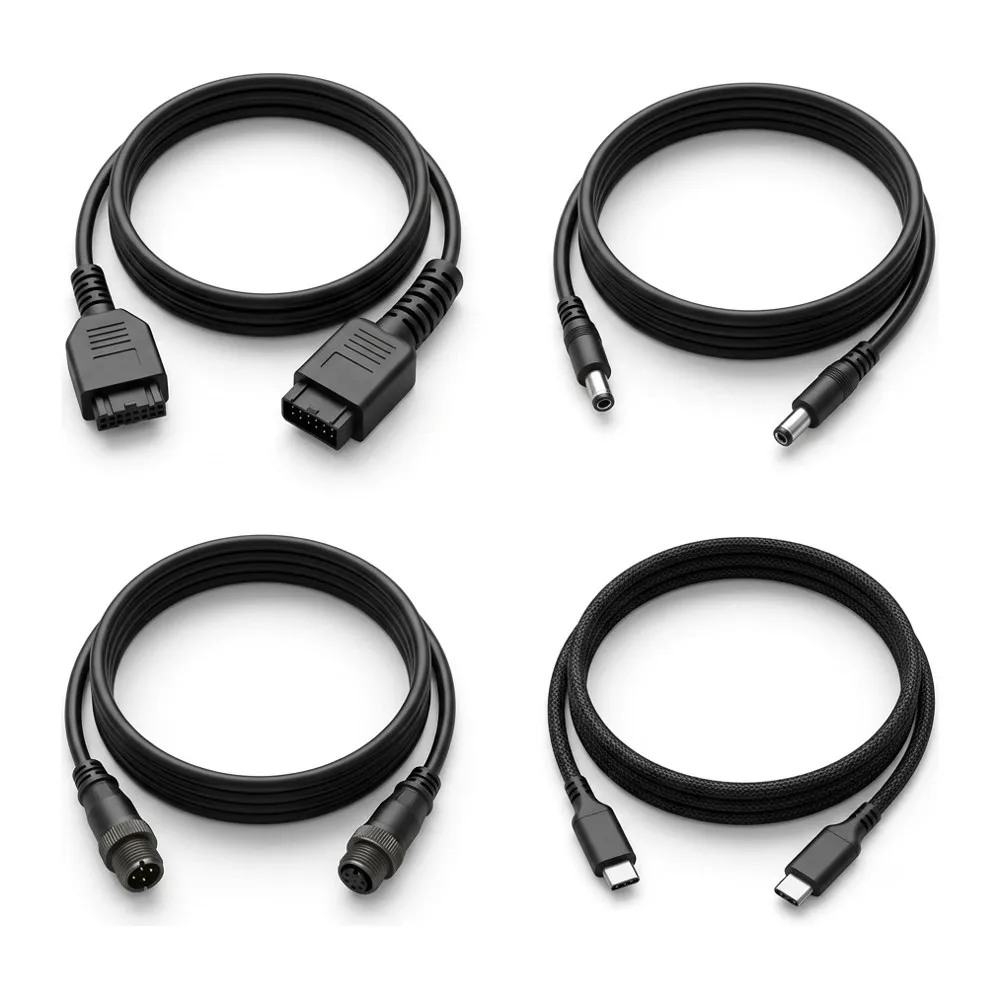 Custom cable assembliesCopper and hybrid assemblies to your drawing, with the termination method specified and the origin paper that survives entry.View →
Ready to source this to spec?
Kestner is a US company that builds fiber assemblies on its own lines — OS2 and OM3/OM4/OM5, LC/SC/ST and MPO/MTP, to your polish, polarity, and jacket, insertion- and return-loss tested per unit with the origin record in hand. Send the fiber drawing and we will quote it built, not brokered.
Request a quote