Quick answer
There are two kinds of fiber optic cable manufacturer: the glass mills that draw fiber by the kilometer (Corning, Prysmian) and the assembly makers that terminate and test the patch cords, MPO/MTP trunks, and breakouts a data center plugs in. Most buyers need the second. Kestner is a US company that terminates and 100% insertion- and return-loss tests fiber assemblies to Telcordia GR-326.
The short version
- "Fiber optic cable manufacturer" is two different companies: a glass mill that draws fiber (Corning, Prysmian, OCC) and an assembly maker that terminates and tests what you plug in.
- For data-center connectivity you almost always need the assembler, not the mill — judge it on termination and test, not on how much glass it draws.
- The quality axis is endface and loss: every connector scoped to IEC 61300-3-35, 100% insertion- and return-loss tested, single-mode to Telcordia GR-326.
- "Made in USA" is not the protection buyers assume — for assemblies what matters is who tests and a documented country of origin that sets your Section 301 exposure.
- A real assembler terminates and tests the full range (OS2/OM3/OM4/OM5, LC/SC/MPO, UPC/APC); a reseller stocks a subset and drop-ships the rest.
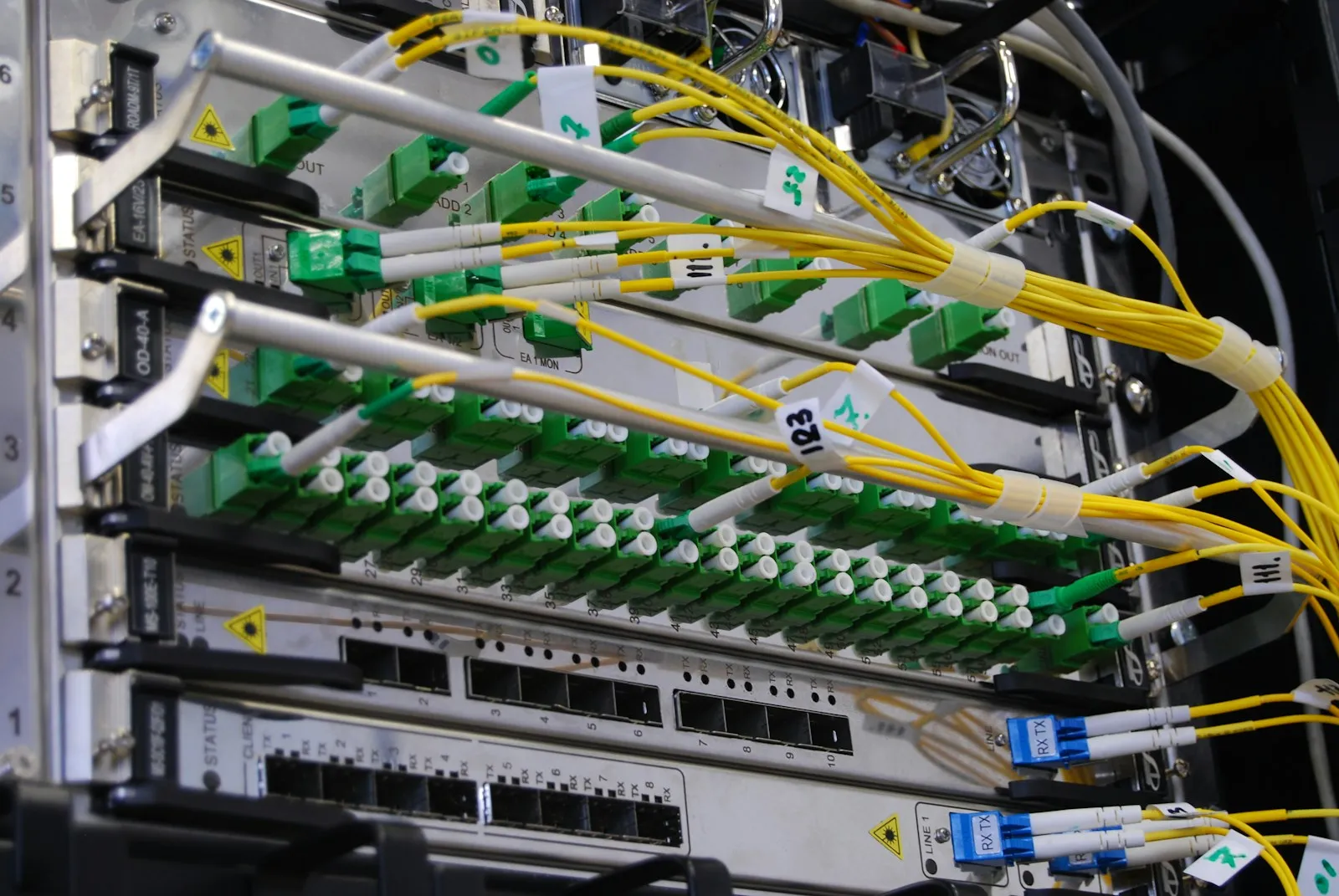
Search “fiber optic cable manufacturer” and you get two answers wearing the same name. One is a glass mill — Corning, Prysmian, OCC — companies that draw optical fiber and spool bulk and outside-plant cable by the kilometer. The other is an assembly maker: the company that takes that cable, terminates it, tests it, and turns it into the patch cords, MPO/MTP trunks, and breakouts a data center actually plugs in. They are both “manufacturers,” they solve different problems, and buying from the wrong one is a common and expensive mistake. Here is how to tell which you need, and how to judge the one you do.
Two manufacturers wearing the same name
BLUF: unless you are pulling raw cable through conduit by the reel, the “fiber optic cable manufacturer” you need is the assembler, not the mill. The distinction decides everything about how you vet them.
| Glass / cable mill | Assembly manufacturer | |
|---|---|---|
| Makes | Bare fiber and bulk / outside-plant cable, by the km | Terminated patch cords, MPO/MTP trunks, breakouts |
| Names you know | Corning, Prysmian, OCC, CommScope | Connectivity makers (Kestner is one) |
| You buy from them when | You need kilometers of raw cable to pull | You need tested assemblies to plug in |
| Judge them on | Fiber grade (ITU-T G.652 / G.657), draw quality | Termination, endface, insertion / return-loss test |
| Order shape | Large standing runs | Per drawing, per length, per polarity |
A good assembler is not trying to be a mill. It buys ITU-T-graded fiber and cable from qualified mills — G.652.D single-mode, G.657 bend-insensitive, OM multimode — and earns its value at termination and test. When a listicle ranks “top fiber optic cable manufacturers,” it usually means the mills; that is the wrong shelf for a data-center connectivity buy.
The quality a fiber assembly manufacturer must prove
BLUF: for assemblies, quality lives at the connector, and it is measured two ways — endface and loss. A manufacturer that terminates and tests can show you both; a reseller cannot.
- Endface geometry and cleanliness. Every connector should be inspected to IEC 61300-3-35 — a scope on the core and cladding zones, checking for scratches and contamination. A single dust particle on the core throws loss out of spec and can pit the mating connector.
- Insertion and return loss, tested per assembly. Not a datasheet typical — the measured loss on the unit you receive. On single-mode, polish decides return loss: APC holds 60 dB or better, UPC around 50 dB. Parallel 400G and 800G links have no loss budget to spare.
- Reliability, for single-mode. Telcordia GR-326 is the North American standard for single-mode connector endface geometry and environmental reliability. Ask whether the connector qualifies to it.
This is the axis that separates an assembler from a box-shifter, and it is different from the copper questions you ask a copper cable manufacturer. For the full spec side — polish, polarity, Base-8 versus Base-12 — the custom fiber assembly guide has the detail; here the point is simpler: can the manufacturer produce the test report?
”Made in USA” versus a US company with documented origin
The made-in-USA question comes up constantly on this term, and the honest answer is more useful than the flag. Some raw fiber and cable is milled in the USA — Corning and OCC among them. Most terminated assemblies are built where the labor and tooling are, overseas, regardless of whose name is on the box.
For a buyer, the protection is not the flag; it is two things the flag does not guarantee: who tested the assembly, and where the country of origin is documented. Origin is what sets your tariff exposure and what has to survive a customs entry — a documented Vietnam or China origin, verified at the source, protects you where a vague “imported” does not. A US company that owns its lines, tests every assembly, and documents origin per unit is a materially different counterparty from an anonymous broker forwarding an overseas order — whatever either one prints about a flag.
Capability range: is this maker set up for your job?
BLUF: a real assembler terminates and tests the whole range in-house; a reseller stocks a slice and drop-ships the rest, which is where lead times and accountability break down. Before you commit, confirm the manufacturer actually builds:
- Fiber types: OS2 single-mode and OM3 / OM4 / OM5 multi-mode.
- Connectors: LC, SC, ST, and MPO / MTP — with Base-8 and Base-12 polarity for parallel optics.
- Polish: UPC and APC, and the discipline never to cross-mate them.
- Forms: patch cords, pre-terminated trunks, and MPO-to-LC breakouts, to your length and jacket rating.
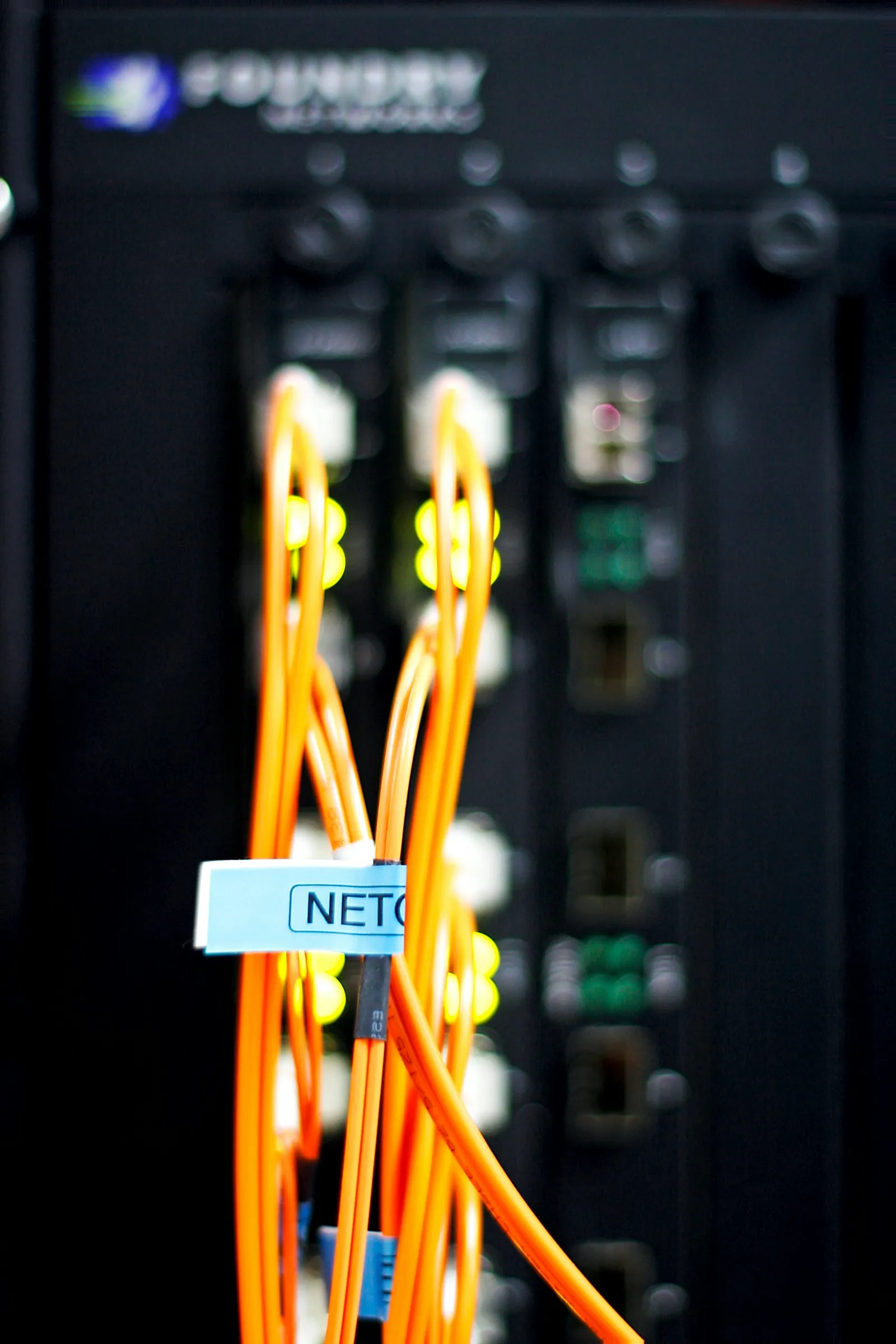
A manufacturer that does all of this on its own line can change any variable on a drawing and stand behind the test. A supplier that has to source half of it is quoting other people’s lead times.
What to demand before the PO
| Demand | Why it matters | How to verify |
|---|---|---|
| Per-assembly loss test | Parallel links have no loss budget to spare | Ask for the insertion- and return-loss report keyed to each serial |
| Endface inspection | Contamination is the top field failure | Confirm every connector is scoped to IEC 61300-3-35 |
| Reliability grade | Single-mode connectors face endface and environmental stress | Ask whether the connector qualifies to Telcordia GR-326 |
| In-house capability range | Drop-shipping breaks lead time and accountability | Ask which fibers, connectors, and polishes they terminate themselves |
| Per-unit origin record | Sets Section 301 exposure and customs risk | Ask for the origin and supporting records, not a verbal answer |
So, how do you choose
Decide which manufacturer you actually need — the mill for raw cable, the assembler for tested connectivity — and then judge the assembler on the only things that predict a link will work: termination, test, and a documented origin. Ask for the loss report, the endface standard, and the origin record; confirm they build your fiber and connector range in-house. If you want the assembly and the country-of-origin math from the US company that actually terminates and tests it, send us the drawing — we will quote it built and tested, not brokered.
Frequently asked
Who manufactures fiber optic cables?
Two different kinds of company. Glass mills like Corning, Prysmian, and OCC draw optical fiber and make bulk and outside-plant cable by the kilometer. Assembly manufacturers take that cable, terminate it with connectors, and test it into the patch cords, MPO/MTP trunks, and breakouts a data center actually plugs in. Which one you need depends on whether you are pulling raw cable or plugging in tested assemblies.
Who is the biggest fiber optic cable manufacturer?
By volume of glass, Corning is the largest, followed by other mills like Prysmian and Sterlite. But biggest is not the same as right for your job — the mills sell raw fiber and bulk cable in large runs, while a data-center buyer usually needs terminated, tested assemblies in specific lengths and polarities, which is a different manufacturer entirely.
What is the difference between a fiber optic cable manufacturer and an assembler?
A mill draws the glass and makes the cable; an assembler terminates and tests it. For connectivity you are buying the assembler work — the connector, the polish, the polarity, and the loss test. A good assembler buys ITU-T-graded fiber cable from qualified mills and earns its value at termination and test, which is where a link succeeds or fails.
Are fiber optic cables made in the USA?
Some raw fiber and cable is milled in the USA (Corning, OCC). Most terminated assemblies are built overseas, wherever the labor and tooling are. For a buyer the more useful question is not the flag but who tests the assembly and where the country of origin is documented, because origin is what sets your tariff exposure and survives a customs entry.
How do I choose a fiber optic cable supplier?
Confirm they terminate and test in-house rather than drop-ship: ask for a per-assembly insertion- and return-loss report, endface inspection to IEC 61300-3-35, single-mode reliability to Telcordia GR-326, the full connector and fiber range you need, and a per-unit country-of-origin record. A supplier that can produce those is a manufacturer; one that cannot is a reseller.
Sources
- ITU-T G.652 and G.657, single-mode optical fiber gradesITU
- Telcordia GR-326, single-mode connector reliability & endface geometryiconectiv (Telcordia)
- IEC 61300-3-35, fiber optic connector endface inspectionIEC
- ANSI/TIA-568, structured cabling and fiber performanceTIA
- Country-of-origin marking and entry treatmentUS Customs & Border Protection
More in this cluster
Products in this line
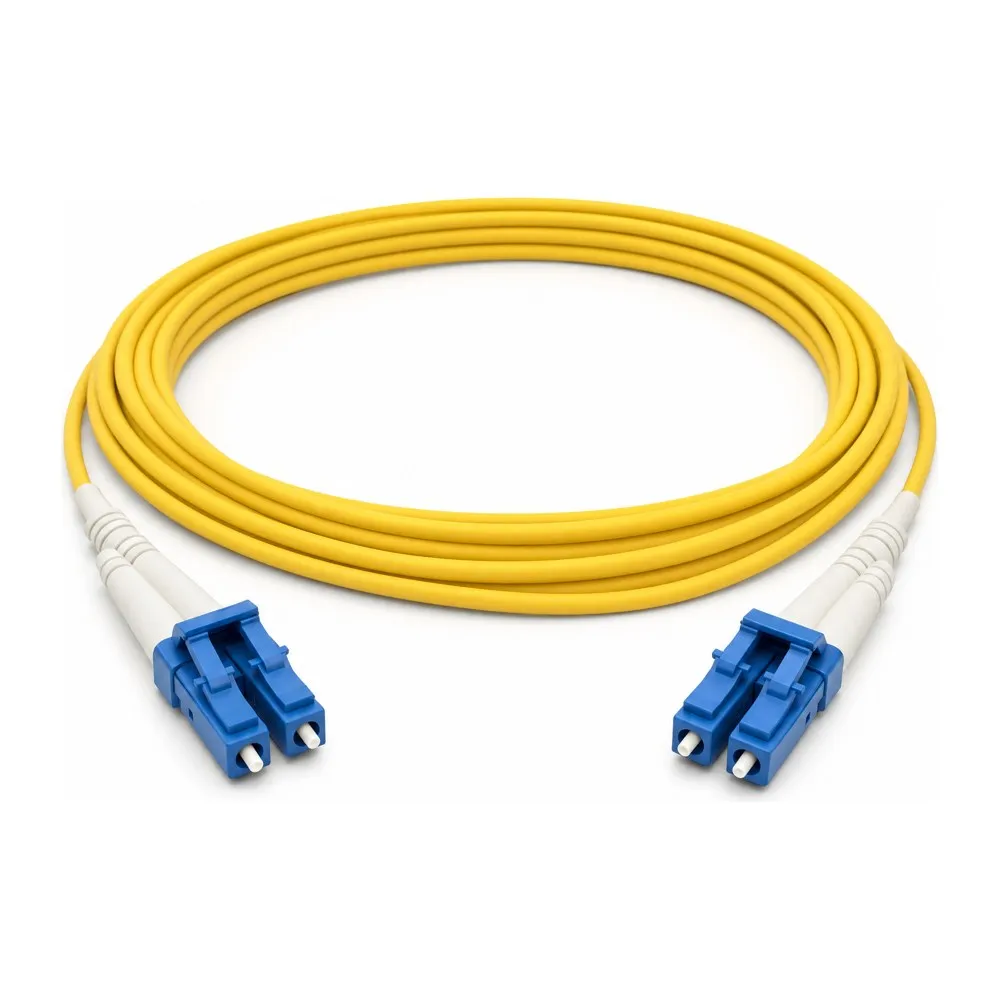 Data-center fiber & patch cableOS2 and OM3/OM4/OM5 LC/SC/ST patch cords, MPO/MTP breakouts, and pre-terminated trunks — terminated, insertion- and return-loss tested, origin-documented.View →
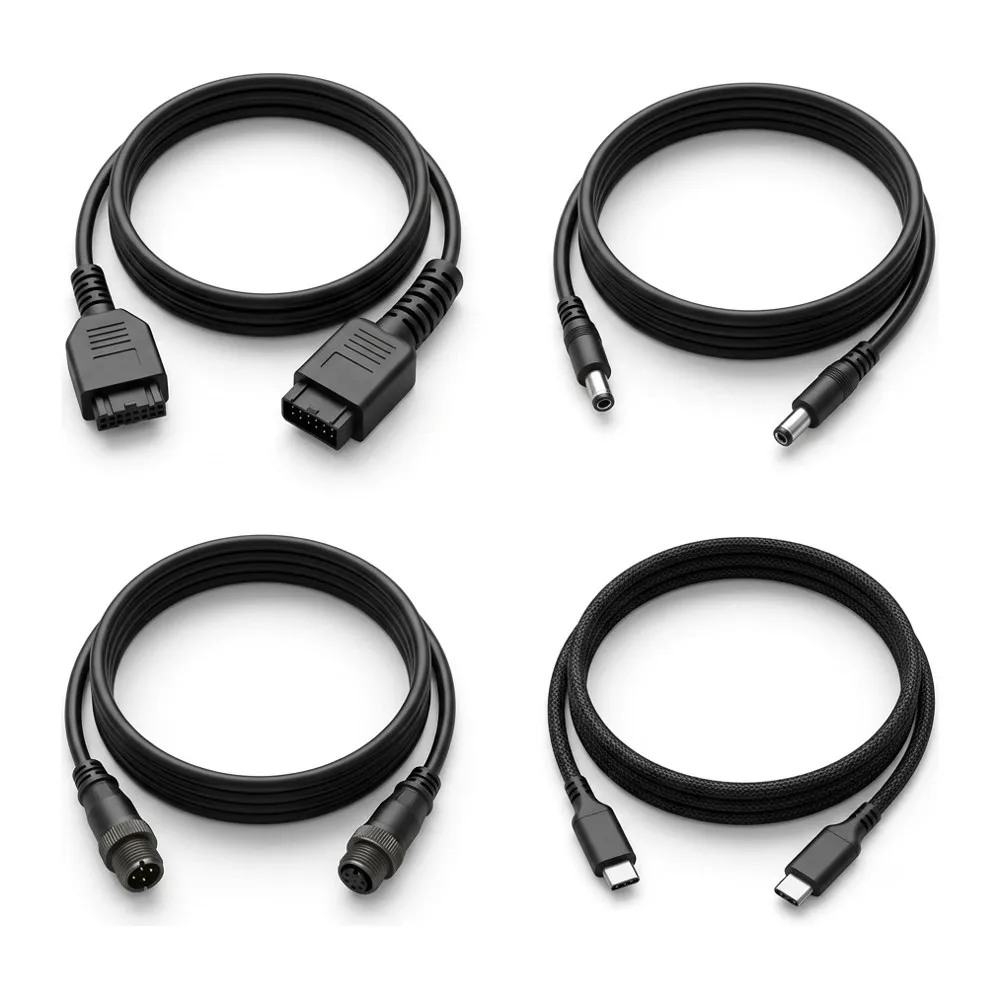 Custom cable assembliesCopper and hybrid assemblies to your drawing, with the termination method specified and the origin paper that survives entry.View →
Ready to source this to spec?
Kestner is a US company that terminates and tests fiber assemblies on its own lines — OS2 and OM3/OM4/OM5, LC/SC/ST and MPO/MTP, to your polish, polarity, and length, insertion- and return-loss tested per unit with the origin record in hand. We do not draw glass; we buy ITU-T-graded cable and earn our value where the link succeeds or fails. Send the drawing and we will quote it built and tested.
Request a quote