Quick answer
For most 1-Gigabit runs, Cat5e or Cat6 is enough. Step up to Cat6a when you need 10 Gigabit to a full 100 m or heavy PoE, and to Cat8 only for 25/40-Gigabit data-center runs under 30 m. Skip Cat7 — it is an ISO class, not an RJ45/TIA category. Whatever the grade, insist on bare copper, not copper-clad aluminum. Kestner builds Cat cable to a real channel spec. See ANSI/TIA-568.
The short version
- The category is a promise about speed, distance, and interference set by ANSI/TIA-568 — not just a number on the box.
- The real cutoff is 10 Gigabit distance: Cat6 does 10G only to about 55 m; Cat6a does it to a full 100 m.
- Cat8 (25/40 GbE, 30 m) is a data-center switch-to-server cable — over-spec for a horizontal run. Cat7 is an ISO class, not a TIA/RJ45 grade.
- A cable sold as "Cat6" is often copper-clad aluminum at the stated gauge — it will never certify. Spec bare copper and verify it.
An Ethernet cable’s category — Cat5e, Cat6, Cat6a, Cat8 — is a promise about speed, distance, and interference, set by the ANSI/TIA-568 cabling standard. The trouble is that the category printed on the box is not always the cable inside it, and the gap between them is invisible until a Fluke tester or a PoE switch finds it. This guide is which category to spec for the job, where the real cutoffs are, and what to check when you source it — because a cable sold as “Cat6” can be under-gauge copper-clad aluminum that will never certify.
Which category for which job
The categories differ on four things that matter to a buyer: the speed they carry, the bandwidth (MHz) that headroom rides on, the distance they hold that speed, and the shielding they need to do it. Here is the ladder, at the TIA-568 permanent-link limits.
| Category | Max speed and reach | Shielding | Best for |
|---|---|---|---|
| Cat5e | 1 GbE to 100 m | U/UTP | 1-Gigabit runs; legacy and low-cost |
| Cat6 | 10 GbE to ~55 m; 1 GbE to 100 m | U/UTP | 1 Gigabit everywhere; short-run 10 G |
| Cat6a | 10 GbE to 100 m | F/UTP or U/FTP | 10 Gigabit to the desk; dense PoE |
| Cat8 | 25/40 GbE to 30 m | F/UTP or S/FTP | Data-center switch-to-server |
Bandwidth rises with the grade — 100 MHz (Cat5e), 250 (Cat6), 500 (Cat6a), 2000 (Cat8) — and the distances are the ANSI/TIA-568 channel limits. Cat7 is an ISO/IEC class rather than a TIA category (covered below). Every grade also carries PoE, but higher PoE current raises conductor temperature, which is where copper gauge and shielding start to matter.
Not sure which grade fits your run? The Cat cable selector turns speed, distance, PoE, and environment into a recommended category, shielding, and construction.
Cat5e vs Cat6: is the upgrade worth it?
For a plain 1-Gigabit network, Cat5e still certifies to 1000BASE-T at a full 100 m, and it is the cheapest cable that does. Cat6 buys headroom — 250 MHz instead of 100 MHz, tighter crosstalk limits, and 10-Gigabit capability on short runs — for a modest price step. The upgrade is worth it when you are pulling permanent cable you do not want to touch again for a decade: it protects you for 2.5G and 5G (802.3bz) over the same runs, handles PoE heat better, and is more forgiving in a noisy environment. If you are buying a stack of patch cords for a 1-Gigabit office, Cat5e or Cat6 is a coin toss; if you are opening walls, pull Cat6 or Cat6a and never do it again.
Cat6 vs Cat6a: the 10-Gigabit and PoE question
The real line between Cat6 and Cat6a is 10-Gigabit distance. Cat6 will carry 10GBASE-T, but only to roughly 55 m, and that number falls as soon as cables are bundled tightly, because alien crosstalk — interference from the cable next to it — is what limits 10 Gigabit on unshielded pairs. Cat6a answers that two ways: it doubles the bandwidth to 500 MHz, and it is usually built with a foil (F/UTP) or shielded (U/FTP) construction and a larger jacket that keeps pairs apart, so it holds 10GBASE-T to the full 100 m. Spec Cat6a when you need 10 Gigabit past a short run, or when you are running dense, high-wattage PoE where the extra copper and shielding help shed heat.
What about Cat7 (and why buyers usually skip it)
Cat7 is where the ladder gets confusing. It is an ISO/IEC class (Class F), not an ANSI/TIA category, and in its strict form it uses non-RJ45 connectors — GG45 or TERA — which most networking gear does not accept. So a “Cat7 patch cable with RJ45 ends” is not truly Class F; it is usually a shielded cable marketed a rung above what its connectors can deliver. For an RJ45 network, the honest ladder is Cat6a for 10 Gigabit and Cat8 for the data center — Cat7 is a marketing step most buyers can skip.
Cat8 for the data center: when 25/40 Gigabit is worth it
Cat8 carries 25 or 40 Gigabit, but only to 30 m over at most two connectors — so it is a top-of-rack, switch-to-server cable, not a horizontal run and not a cable you take to the desk. It is fully shielded (F/UTP or S/FTP), stiffer, and more expensive to terminate, and outside the data center that cost buys nothing, because the distance limit rules it out. If your question is “should I run Cat8 to future-proof the building,” the answer is almost always no: run Cat6a for the horizontal plant and reserve Cat8 for the short, fast links inside the rack.
Solid vs stranded, shielded vs unshielded — and the copper that matters
Two construction choices sit under the category. Solid conductors go in walls and permanent links — they carry distance better and terminate to punch-down jacks; stranded conductors go in patch cords, where flex life matters and reach is short. Shielding — U/UTP (none), F/UTP (overall foil), or U/FTP (foil per pair) — is what Cat6a and Cat8 use to beat crosstalk and PoE heat; below Cat6a you rarely need it unless the environment is electrically noisy — when to shield, and how to ground it.
Underneath both is the material, and it is where cost gets cut invisibly: the conductor must be bare copper. Copper-clad aluminum meets the stated AWG on a caliper but not the DC-resistance and PoE spec, and it is a listed fire-code concern for in-wall cable. The gauge is real too — solid Cat6/Cat6a is typically 23 AWG, Cat5e 24 AWG — but gauge alone does not tell you the metal.
What to check when you source it
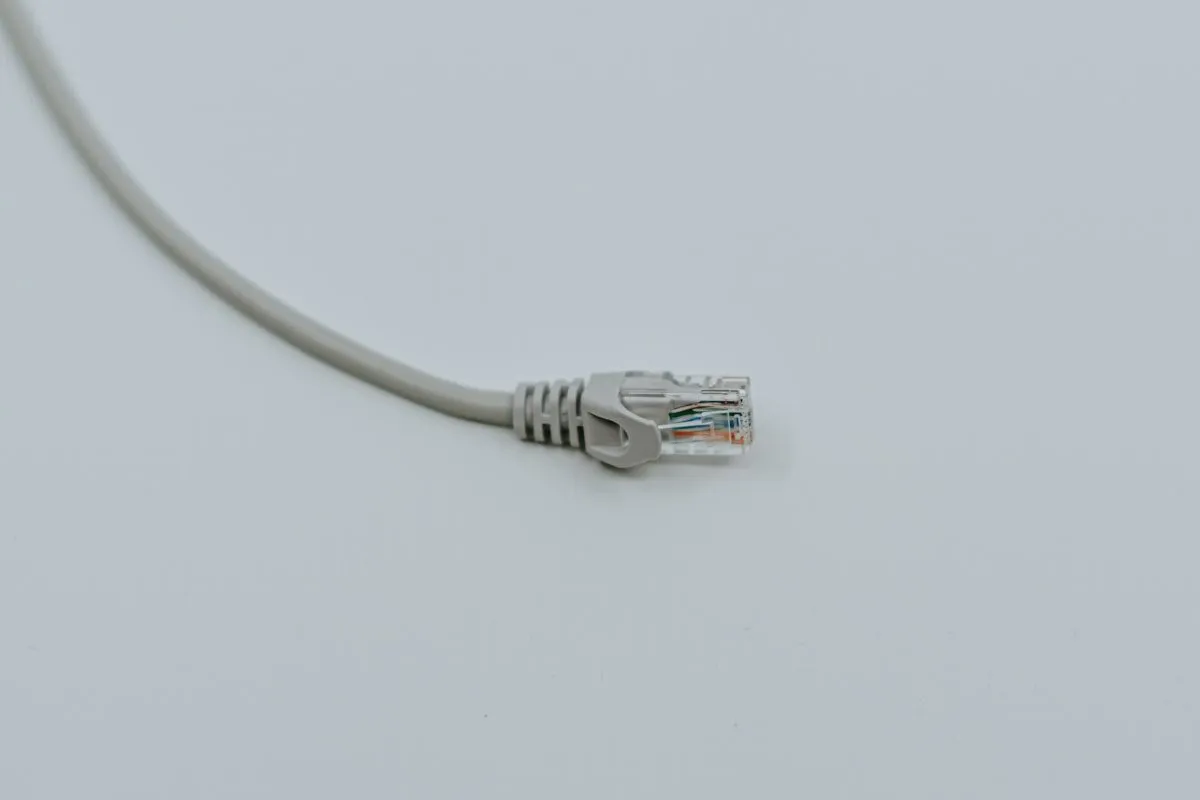
Sourcing to the category means verifying four things, not trusting the label: the conductor (bare copper, correct AWG — not CCA), the jacket fire rating printed on the legend (CM, CMR/riser, or CMP/plenum for the space it runs in, per the NEC and UL), the category and standard marked on the jacket, and — for a permanent link — a channel-certification result, not just a continuity test. On bulk cable, weigh a known length as a fast copper-vs-CCA check before you accept a reel. To source Cat cable to that spec, see Ethernet / Cat cables.
Frequently asked
What is the difference between Cat6 and Cat6a?
Bandwidth and 10-Gigabit distance. Cat6 is rated to 250 MHz and carries 10GBASE-T only to about 55 m before alien crosstalk forces a derate; Cat6a is rated to 500 MHz and carries 10 Gigabit to the full 100 m, usually with a foil (F/UTP) or shielded (U/FTP) construction to control that crosstalk and PoE heat. If you need 10 Gigabit past a short run, or you are running dense PoE, spec Cat6a.
Can Cat6 do 10 Gigabit?
Yes, but only over a short distance. Under ANSI/TIA-568, Cat6 supports 10GBASE-T to roughly 37–55 m depending on how tightly the cables are bundled (alien crosstalk gets worse in a dense bundle). For 10 Gigabit to a full 100 m permanent link, you want Cat6a.
Is Cat8 worth it?
Only in a data center. Cat8 carries 25 or 40 Gigabit but only to 30 m over at most two connectors, so it is a switch-to-server or top-of-rack cable, not a horizontal run to the desk. For anything outside the rack, Cat6a is the right ceiling and Cat8 is wasted money.
What gauge is Cat6 cable, and does the copper matter?
Solid Cat6 and Cat6a are typically 23 AWG bare copper; Cat5e is often 24 AWG. The material matters as much as the gauge: a lot of low-cost "Cat6" is copper-clad aluminum (CCA) at the same stated AWG, which is lighter and cheaper but fails the TIA DC-resistance limit, will not certify, and is a fire-code problem for in-wall and PoE runs. Confirm bare copper before you buy.
Sources
- Balanced twisted-pair cabling categories (Cat5e–Cat8)ANSI/TIA-568
- Ethernet physical layers (1000/10G/25G/40GBASE-T, PoE)IEEE 802.3
- Communications-cable safety & fire rating (CM/CMR/CMP)UL
More in this cluster
Products in this line
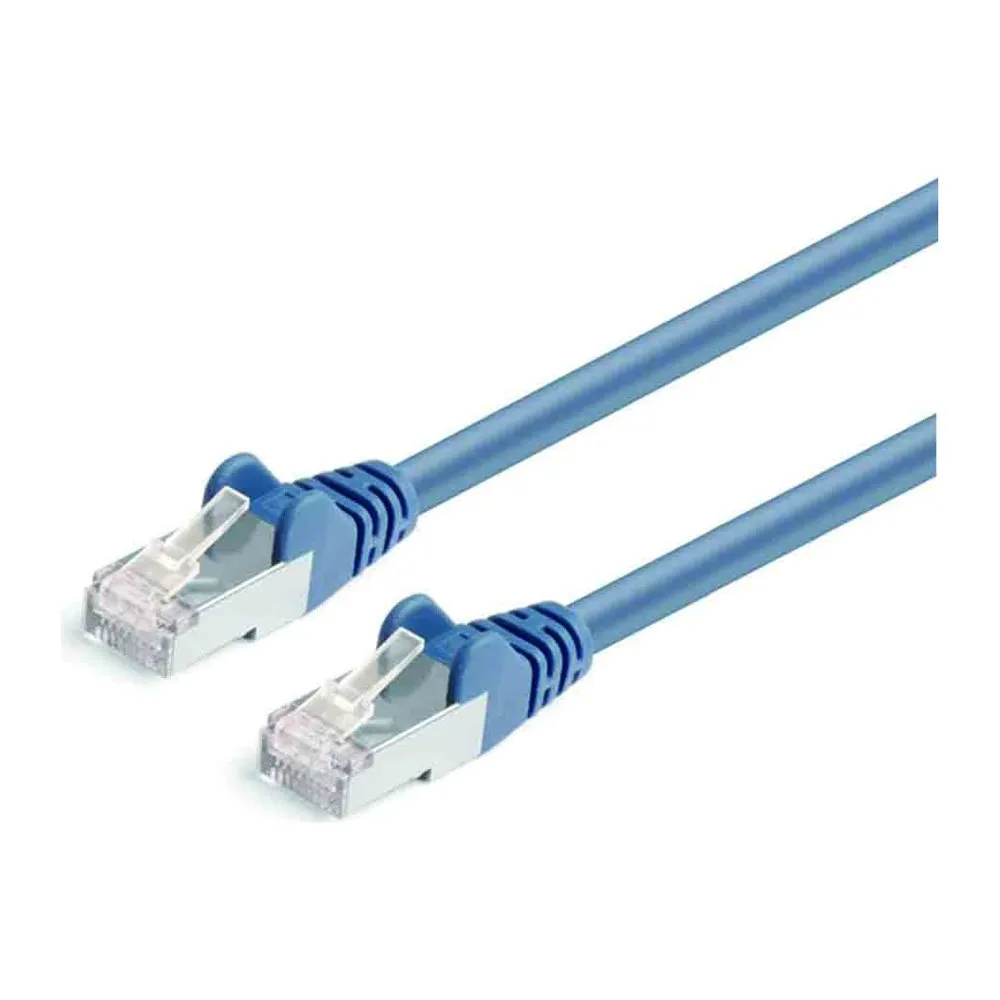 Ethernet / Cat cablesCat5e through Cat6a patch and bulk cable, bare copper, to a real channel spec.View →
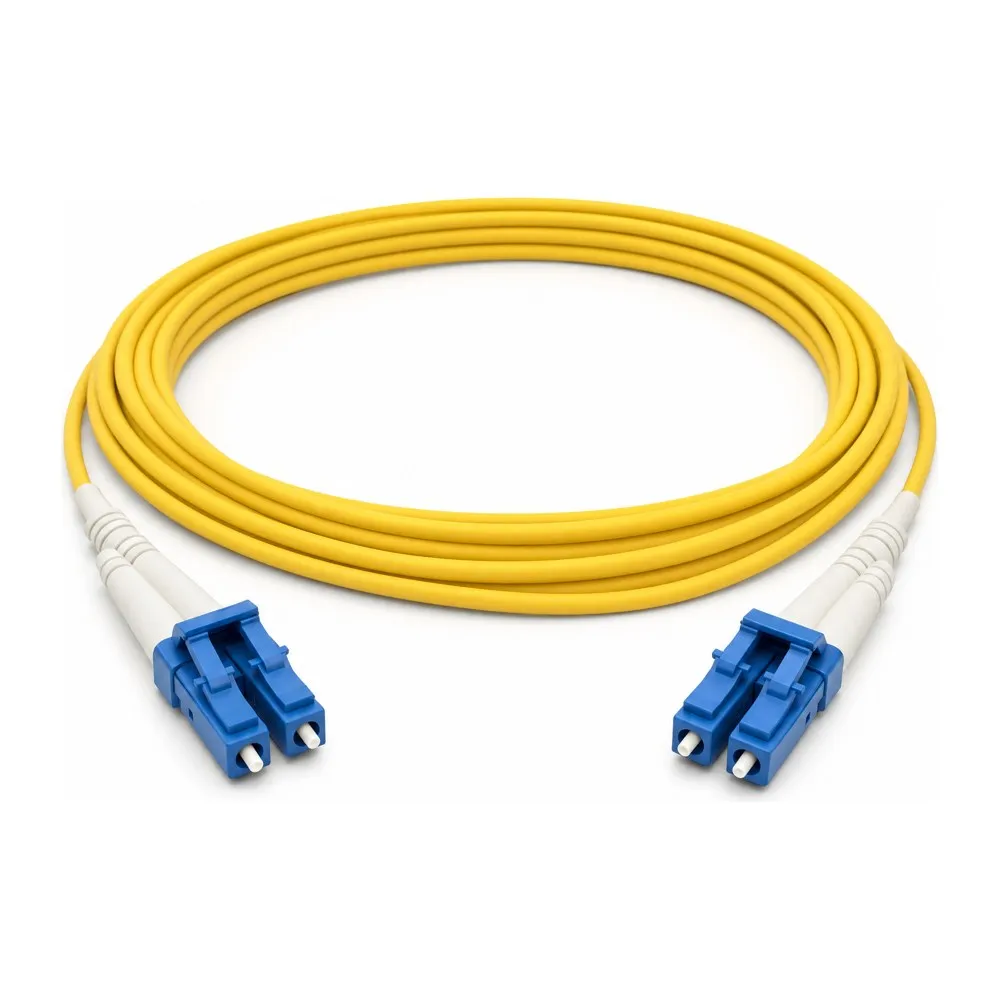 Fiber optic cablesSingle- and multimode assemblies and patch cords for the runs copper cannot reach.View →
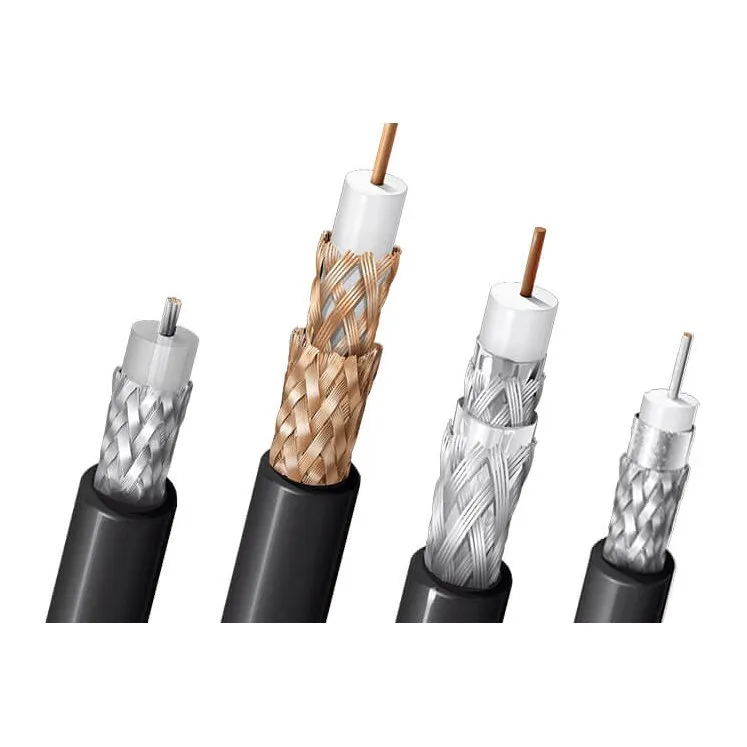 Coaxial cablesRG6/RG11 and custom coax for broadband, CATV, and security.View →
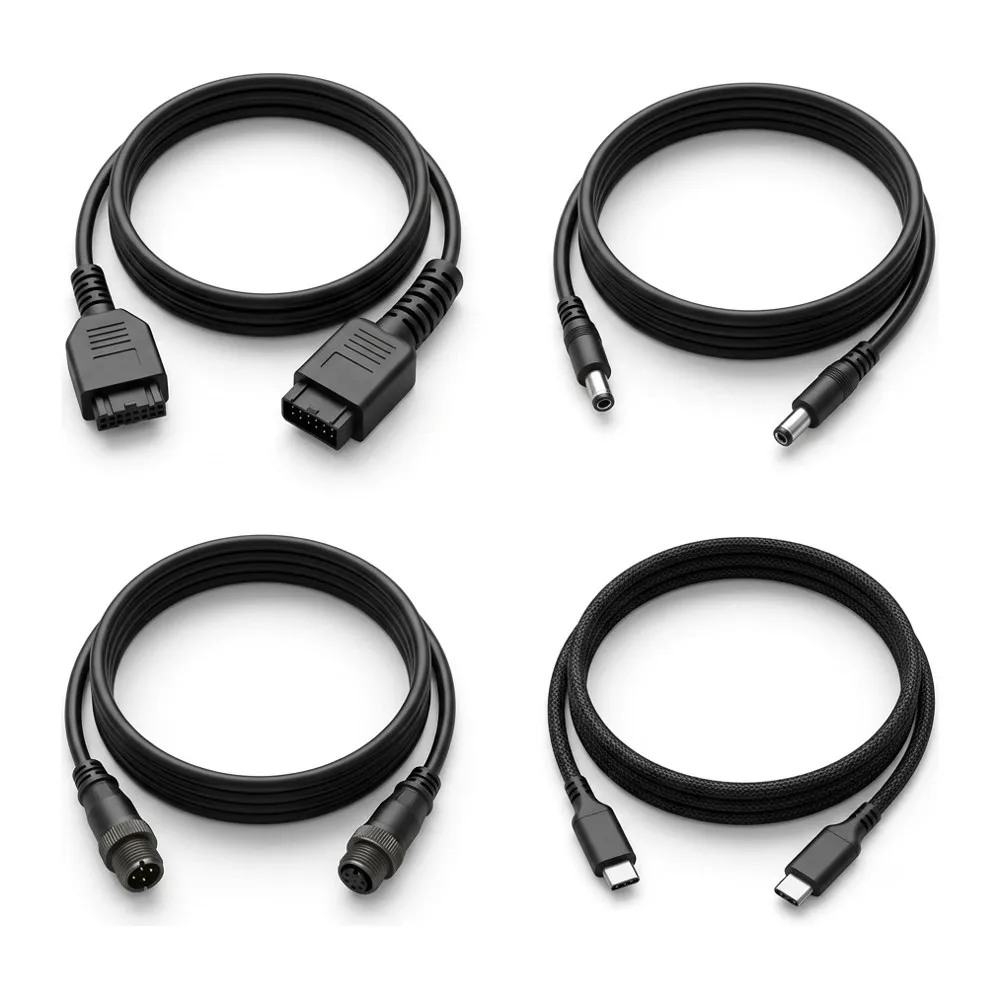 Custom cable assembliesPatch cords and custom builds terminated and tested to your spec.View →
Ready to source this to spec?
Kestner builds Cat5e through Cat6a patch and bulk cable in its own factories, to a real spec — bare copper, the right jacket rating, and cable verified to its category — from a US company that makes it and stands behind the paper.
Request a quote