Quick answer
Vietnam tariffs went up on July 24, 2026: a Section 301 forced-labor duty replaced the expired Section 122 surcharge and applies to Vietnam as well as China, stacking on the existing China Section 301. Because it lifts both origins together, the China-vs-Vietnam gap is unchanged — the case for Vietnam holds. Verify your HTS codes, recompute landed cost, and re-confirm origin. For the exact rates, see the duty stack.
The short version
- Vietnam tariffs rose on July 24, 2026 because a Section 301 forced-labor duty replaced the expiring Section 122 surcharge — a structural change, not a temporary one.
- The new duty hits Vietnam too and stacks on the existing China Section 301 — so it raises both origins and leaves the gap between them essentially unchanged.
- The old "Vietnam falls to 0% at the sunset" story is dead — do not quote it. See the Section 122 page for what replaced it.
- The sourcing case still turns on origin: the delta only survives if the Vietnam origin is real. Verify it before entry.
Vietnam tariffs went up on July 24, 2026 — not because of a Vietnam-specific action, but because the Section 122 surcharge that was expiring got replaced the same day by a broader Section 301 forced-labor duty that also covers Vietnam. If you buy power adapters, chargers, or cables, the headlines probably garbled the math: one called it a “12.5% China rate,” when that is a new layer, not China’s all-in rate. Here is what actually changed, why the China-versus-Vietnam decision still holds, and the five things to do about it this week. For the exact rates by HTS code — verified against the final USTR notice — see the duty stack; this guide is the what-to-do.
What actually changed
One temporary surcharge was replaced by a broader, structural duty. Section 122 was a balance-of-payments surcharge with a 150-day statutory cap; it hit that cap and expired on July 24. The same day, the US Trade Representative’s Section 301 forced-labor action imposed a new duty covering China, Vietnam, and dozens of other economies — with USMCA-compliant Mexico and Canada goods exempt — and, unlike the surcharge it replaced, it stacks on the existing China Section 301 rather than standing in for it.
| Section 122 (expired Jul 24) | Section 301 forced-labor (now) | |
|---|---|---|
| Legal basis | Balance-of-payments surcharge | Forced-labor investigation (Section 301) |
| Duration | 150-day statutory cap | Structural — until amended or enjoined |
| Applies to Vietnam | Yes | Yes |
| Vs. the China Section 301 | Stood alongside it | Stacks on top of it |
| USMCA goods | Exempt | Exempt |
This is the structure of the change, not the rates. The verified figures — base, existing China Section 301, and the new forced-labor layer, per HTS code — live on the duty-stack page and the Section 122 transition page, kept current there so there is one source of truth to cite.
Why the China→Vietnam case still holds
Because the new duty raises both origins by the same amount, it does not change the gap between them. The reason to source from Vietnam instead of China was never that Vietnam was duty-free — it was the China Section 301 layer that Vietnam does not carry. That layer is untouched, so the break-even premium you can pay a Vietnamese supplier and still come out ahead barely moved.
8504.40.85) by country of origin — each bar split into the layers that make it up. Rendered from our verifiedduty-stack dataset (verified 2026-08-07).- MFN base
- Section 301 · China (25%)
- Section 301 forced-labor (12.5%)
25.0 points separate China from Vietnam — the entire China Section 301 layer, which Vietnam does not carry. The forced-labor duty lifts both origins by the same amount, so the gap between them is unchanged. Mexico enters duty-free under USMCA.
Effective rate by product category — China vs. Vietnam
8504.40.858544.42.908544.20.008544.70.00The China vs Vietnam comparison holds the current landed-cost figures, and the break-even tool lets you run your own FOB and volume. What changed is the floor under both origins, not the distance between them.
One thing that is dead is the pre-July story that Vietnam would fall to zero when the surcharge sunset. It did not — the Section 301 replacement covers Vietnam. If a page, a broker, or a landed-cost spreadsheet still assumes Vietnam goes duty-free on July 24, it is now wrong, and a customs entry will prove it.
The five-step response
- Re-verify your HTS codes. A rate change is the moment to confirm each product classifies where you think it does. The duty stack lists the codes the catalog touches, including the classification nuances — a telecom-grade connectorized cable can enter Free where a general one pays base. A wrong code moves your rate more than this tariff did.
- Recompute landed cost on the new stack. Duty is ad valorem, so the increase scales with entered value — run your real FOB and volume through the landed-cost calculator rather than eyeballing it.
- Pressure-test origin. The China–Vietnam delta only survives if the Vietnamese origin is genuine substantial transformation, not a Chinese cable with a connector molded on in Vietnam. Verify it before it becomes a transshipment problem at the port of entry.
- Re-quote now, with a reprice clause. Ask suppliers to re-quote against the current stack, and put a tariff-reprice clause in the PO so the next change is a recalculation, not a reopened negotiation.
- Watch the litigation. The action is being challenged in court; a stay or vacatur would move the rate again. Treat the number as current, not permanent, and re-verify before a large entry.
What not to do
Do not panic-reshore on a headline — the math barely moved, and a rushed supplier change costs far more than the small increase at stake. Do not accept a verbal rate: get the HTS code, the Chapter 99 heading, and the effective date in writing, because a rate quoted from memory is how a wrong number lands on a PO. And do not trust last quarter’s landed cost — two things changed this year, the surcharge and its replacement, so any cost model built in the spring is already stale.
Frequently asked
Did Vietnam tariffs go up in 2026?
Yes. The July-24 Section 301 forced-labor duty applies to Vietnam as well as China, on top of the base rate. It replaced the Section 122 surcharge that Vietnam had also carried, so it is a change in the legal basis and a modest increase, not a brand-new burden. The exact rates by HTS code are on the duty-stack page.
What is the Vietnam tariff rate now?
It depends on the product code, because the duty is ad valorem on top of the base rate. For most power and cable codes the increase is small, and the figures — base, plus the Section 301 forced-labor layer — are kept current on the duty-stack page rather than quoted from memory here, so there is one source to cite.
Is it still cheaper to source power and cables from Vietnam than China?
Yes, materially. The new duty raises both origins by the same amount, so the China Section 301 layer — which Vietnam does not carry — is still the gap between them, and it is unchanged. The China vs Vietnam comparison page has the current landed-cost figures, and the break-even tool lets you run your own volume.
What is the Section 301 forced-labor tariff?
A duty imposed by the US Trade Representative under Section 301, tied to a forced-labor investigation, effective July 24, 2026. It replaced the expired Section 122 surcharge, covers China, Vietnam, and dozens of other economies, and stacks on the existing China Section 301. USMCA-compliant goods of Mexico and Canada are exempt.
Does the new tariff apply to power adapters and cables?
Yes. Power adapters (HTS heading 8504.40) and cables (heading 8544) are not in the exemption annexes, so they are covered. The duty-stack page lists the specific codes the catalog touches and the verified rate on each.
Sources
- Section 301 forced-labor action (Notice of Actions)USTR · Docket USTR-2026-0265/0266
- Tariff schedule & base rates (Chapters 85, 99)USITC HTSUS
- Country-of-origin & Section 301 entry treatmentUS Customs & Border Protection
More in this cluster
Products in this line
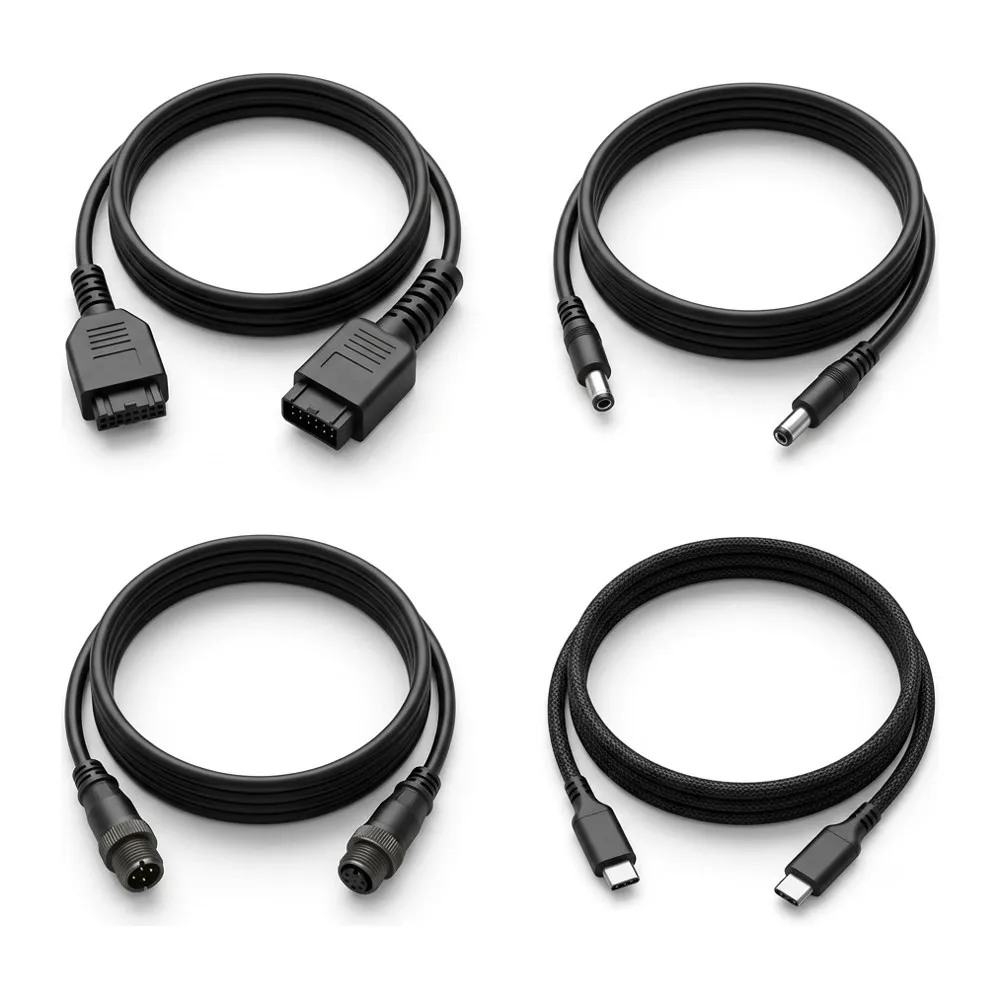 Custom cable assembliesBuilt to your drawing in China or Vietnam, with the origin paper that survives entry.View →
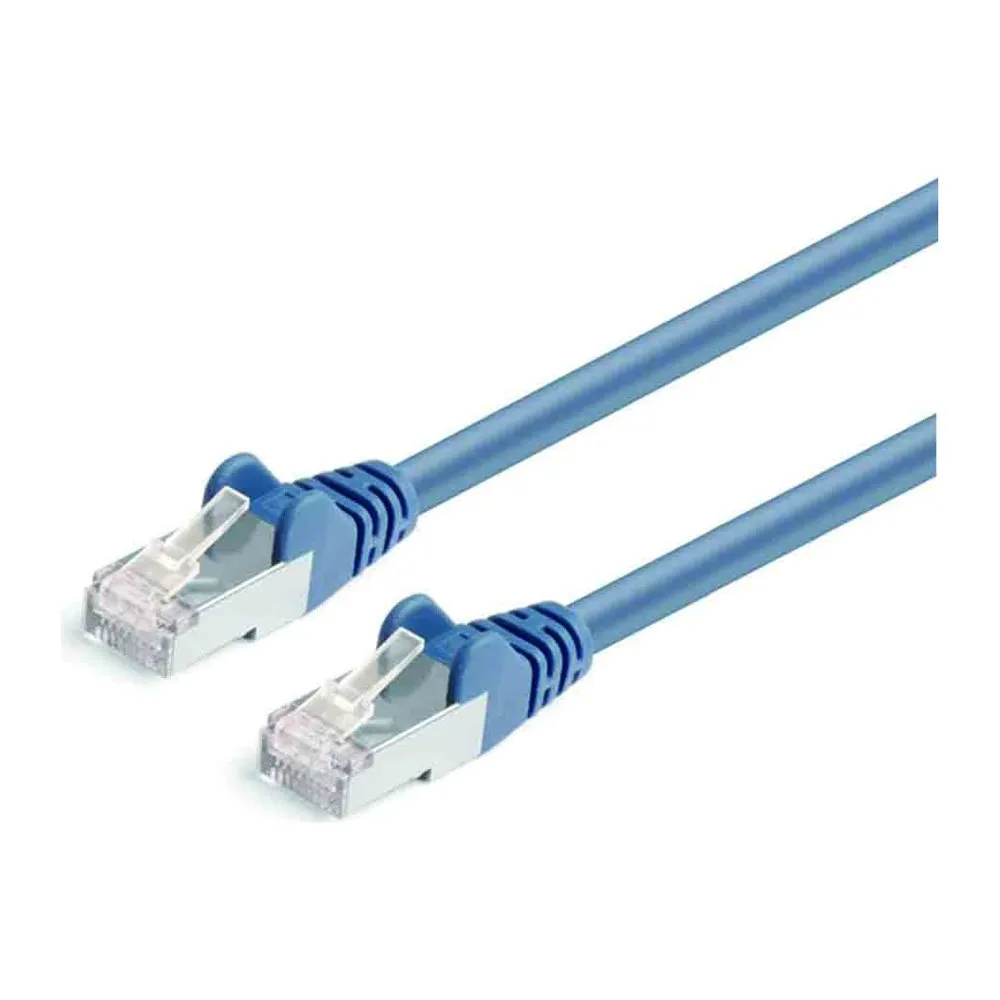 Ethernet / Cat cablesBulk and patch cable to a real channel spec, sourced from the origin that prices best.View →
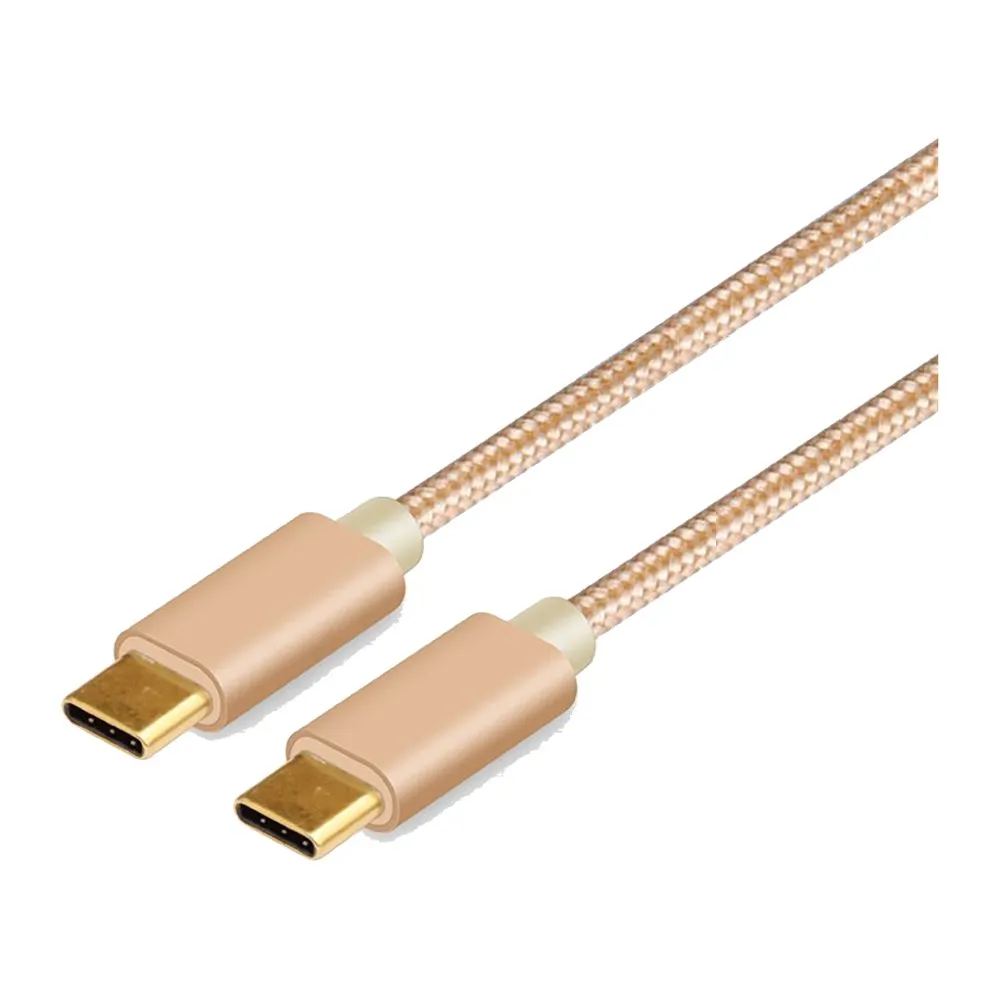 USB-C cablesUSB-C and high-speed assemblies, quoted landed with the duty stack shown.View →
Ready to source this to spec?
Kestner builds in both China and Vietnam, so when a tariff changes we reprice against the new stack, verify the origin behind the rate, and hand you the landed-cost math per HTS code — a rule change is a recalculation, not a surprise. One US company that owns the line and the number.
Request a quote