Quick answer
A custom cable assembly is defined by what you put in the RFQ, not the parts list: the connectors and pinout, the conductor gauge and type, the finished length and tolerance, the shielding, and the workmanship class — name IPC/WHMA-A-620 Class 1, 2, or 3. State those, demand per-lot test records, and confirm the country of origin, and a price becomes a process. Kestner builds to that spec, on US paper. See IPC/WHMA-A-620.
The short version
- A cable assembly is defined by its spec sheet, not a catalog number: connectors and pinout, conductor gauge and type, length and tolerance, shielding, and the workmanship class.
- Name IPC/WHMA-A-620 and the class (1, 2, or 3) in the RFQ. "Built to A-620" without a class attached is not a spec.
- Insist on copper — many low-cost builds substitute copper-clad aluminum (CCA) at the same stated gauge.
- Certifications (UL, RoHS) and the country of origin are part of the spec, not an afterthought — origin carries a tariff and a customs consequence.
A custom cable assembly is one jacketed cable — or a bundle of them — terminated with connectors and built to your drawing instead of pulled from a catalog. What you are actually buying is not the parts; it is the spec you write and the paper behind it. Two assemblers can quote the same drawing and ship very different products, because the drawing rarely says which workmanship class, which test records, or which country the build actually happened in. This is the sourcing side of a cable assembly: what to put in the RFQ, what to demand before the PO, and how a quote becomes a build you can stand behind.
What a custom cable assembly actually is
A cable assembly is one or more insulated conductors, terminated with connectors, and delivered as a finished and tested unit — a molded USB-C cable, an IEC power cord, a coax jumper, or a multi-conductor cable with a connector on each end. “Custom” means it is built to your drawing: your connector part numbers, your conductor gauge, your length and markings, not a stock SKU. That is the difference between buying a cable and specifying one.
Physically, every assembly is the same short list of parts, and each is a place a cost can be cut: the conductor (the copper), the insulation and jacket, any shielding, the connectors and contacts, the overmold and strain relief, and the labeling. A bulk cable is only the first three — no connectors, no termination, no test. The moment connectors go on and the unit is tested as a whole, it is an assembly, and it falls under a workmanship standard. For the categories Kestner builds, see custom cable assemblies.
The five specs that define the build
A quotable spec names five things; leave any of them blank and the assembler fills it with whatever is cheapest and still technically matches the drawing.
- Connectors and pinout. The part number on each end, the contact plating, and the wiring/keying. “USB-C” is not a spec; a connector part number and a pin map is.
- Conductor. Gauge (AWG), stranded or solid, and the material — bare copper, not copper-clad aluminum. State it explicitly; “24 AWG” alone does not say copper.
- Finished length and tolerance. Overall length end-to-end, with a tolerance. On short assemblies the tolerance matters more than the nominal.
- Shielding. Unshielded, foil, braid, or foil-plus-braid, and whether there is a drain wire and where it terminates.
- Overmold and strain relief. Molded, field-installable, or booted — and the environmental rating (voltage, temperature, and any UL style or IP target) that the build has to hold.
Termination methods: crimp, solder, or IDC
How the conductor meets the contact decides both reliability and cost, and it is worth stating on the drawing rather than leaving to the shop.
| Method | Best for | The trade-off |
|---|---|---|
| Crimp | High-volume connectorized builds; a properly crimped contact is a gas-tight cold weld with no solder | Needs the right tool and crimp-height verification — a bad crimp is invisible until it fails under vibration |
| Solder | Fine-pitch, RF/coax, and joints where crimping is impractical | Slower and operator-dependent; cold joints and solder wicking up the strands are the failure modes |
| IDC | Ribbon and multi-conductor to insulation-displacement connectors — fast, repeatable, mass-terminated | Fixed pitch and gauge; not for heavy conductors or field rework |
None of the three is “best” in the abstract — the application picks it. What you want to avoid is a supplier quietly switching to whichever is cheapest to run on its line, because a hand-solder job substituted for a validated crimp will pass a bench test and fail in the field.
Workmanship: name IPC/WHMA-A-620 and the class
The one line that turns a drawing into a spec is the workmanship standard. IPC/WHMA-A-620 is the industry-consensus acceptance standard for cable and wire assemblies — it defines, with photographs and measurable criteria, what a good crimp, solder joint, overmold, and marking look like. Saying “built to A-620” commits a supplier to an inspectable definition of done.
But A-620 has three acceptance classes, and the phrase alone does not say which. Most commercial power and connectivity hardware is a Class 2 build; Class 3 is for high-reliability and harsh-environment work, and Class 1 is rarely right for anything you put your name on. Naming the class — and, better, confirming the supplier certifies its operators to it — is what makes the claim real. How you actually hold a supplier to the class, and the records to demand, is its own subject: see how to vet a cable assembly supplier.
Certifications and country of origin a US buyer needs
Two kinds of paper travel with a cable assembly, and both belong in the RFQ, not the post-mortem. The first is safety and materials: a UL listing or recognition on the finished cordset or its components, and RoHS and REACH conformity on the materials. Ask for the certificate and the test report, and confirm they cover your exact SKU and connector variant — a certificate on a similar part is not a certificate on yours.
The second is country of origin. Origin is set by where the assembly is substantially transformed — where the conductor is drawn and the connectors are molded and terminated — not by where a connector is snapped onto finished cable. It carries a duty consequence, and the figures live in the maintained references, not here: see USB-C and cable assembly tariffs by HTS code and how to verify a Vietnam country of origin.
From RFQ to first article to production
A quote becomes a build in three steps, and skipping the middle one is where most bad first orders come from.
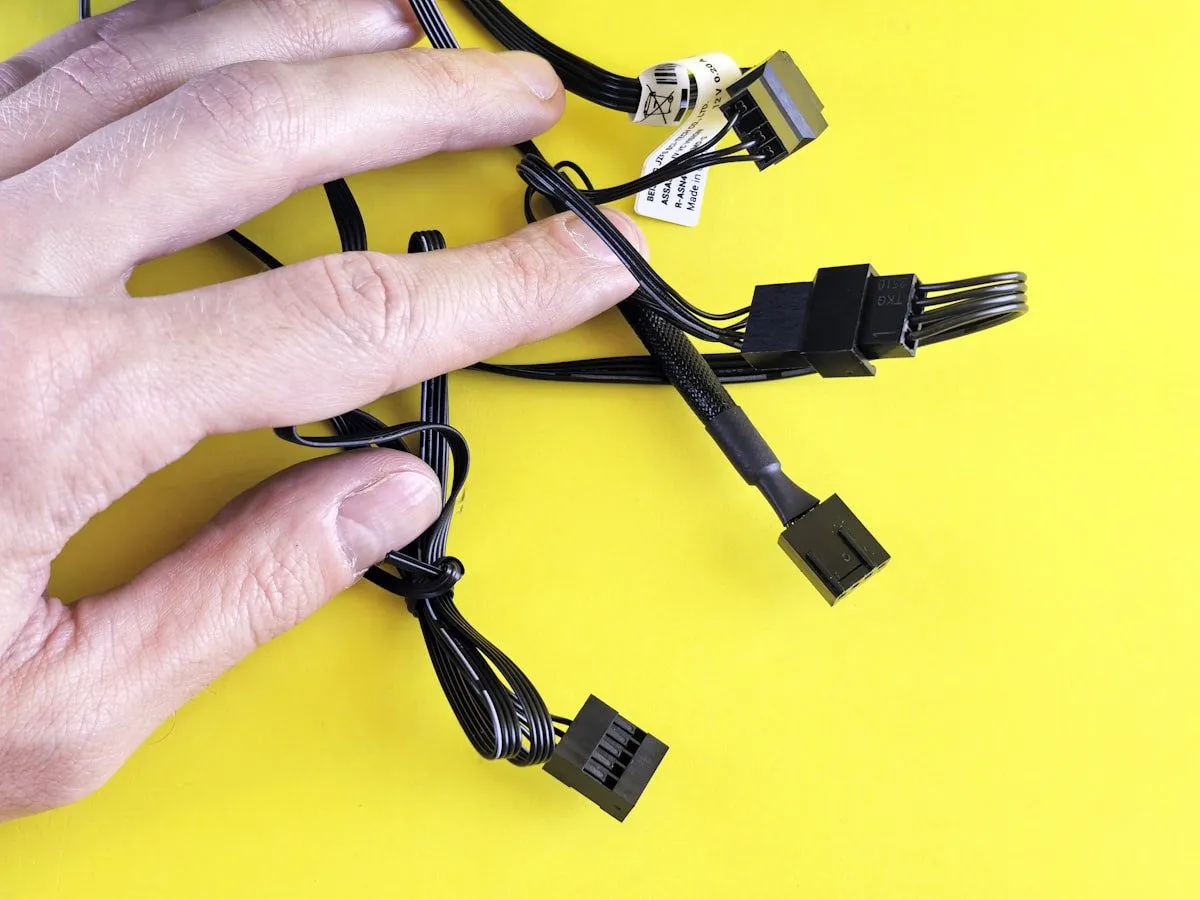
First, the RFQ: send the five specs, the A-620 class, the certifications, and your target volume and MOQ. A supplier that has all of that quotes fast and firm; one that does not either goes quiet or quotes a moving target. Second, the first article: build a small pilot, inspect it against the drawing, and section or measure a sample before you release volume — this is the cheapest place to catch a wrong gauge, a short overmold, or a substituted material. Third, production with per-lot test records (continuity, hipot, pull-force) handed over with the shipment, so every lot is documented, not just the first one.
What drives cost, MOQ, and lead time
Price on a custom assembly is mostly four things: the connectors and contacts (frequently the largest line item), the labor and workmanship class, one-time tooling for a molded overmold, and volume. Lead time follows the connectors — long-lead contacts, not the assembly labor, are usually what set the date — and MOQ is driven by tooling amortization and reel/lot economics.
The honest way to cost down, when a quote comes in high, is to relax an over-specified class or connector where the application genuinely allows it, consolidate volume across SKUs, and avoid custom tooling on low quantities by using a field-installable or standard connector. What is not a cost saving is accepting a thinner conductor, copper-clad aluminum in place of copper, or a dropped test at the same price — that is a price cut you pay for later, in the field.
Frequently asked
What is a cable assembly?
A cable assembly is one or more insulated conductors terminated with connectors and delivered as a finished, tested unit — a molded USB-C cable, a power cord, or a multi-conductor cable with a connector on each end. "Custom" means it is built to your drawing (your connectors, gauge, length, and markings) rather than pulled from a catalog.
How do I choose a cable assembly supplier?
Judge it on the workmanship standard it builds to (IPC/WHMA-A-620 and the acceptance class), the per-lot test records it hands over, and the country-of-origin paper behind the build. A supplier that can produce all three on request has a quality system; one that sends only a certificate has a quality certificate. The full checklist is in our guide to vetting a cable assembly supplier.
What drives the cost of a custom cable assembly?
Four things: the connectors and contacts (often the biggest line item), the labor and workmanship class, one-time tooling for a molded overmold, and volume. The fastest way to cost down is to relax an over-specified class or connector where the application allows, consolidate volume, and avoid custom tooling on low quantities — not to accept a thinner conductor or a lower-grade material at the same price.
What certifications does a cable assembly need for the US market?
It depends on the product, but commonly a UL safety listing or recognition on the finished cordset or its components, RoHS and REACH conformity on the materials, and, where it applies, an FCC or agency mark on the end product. Ask for the actual certificate and the test report — not just a claim — and confirm they cover your exact SKU and connector variant.
Sources
- Workmanship & acceptance standard for cable assembliesIPC/WHMA-A-620
- Product safety listing & certificationUL
- Restriction of hazardous substances in materialsEU RoHS Directive
More in this cluster
Products in this line
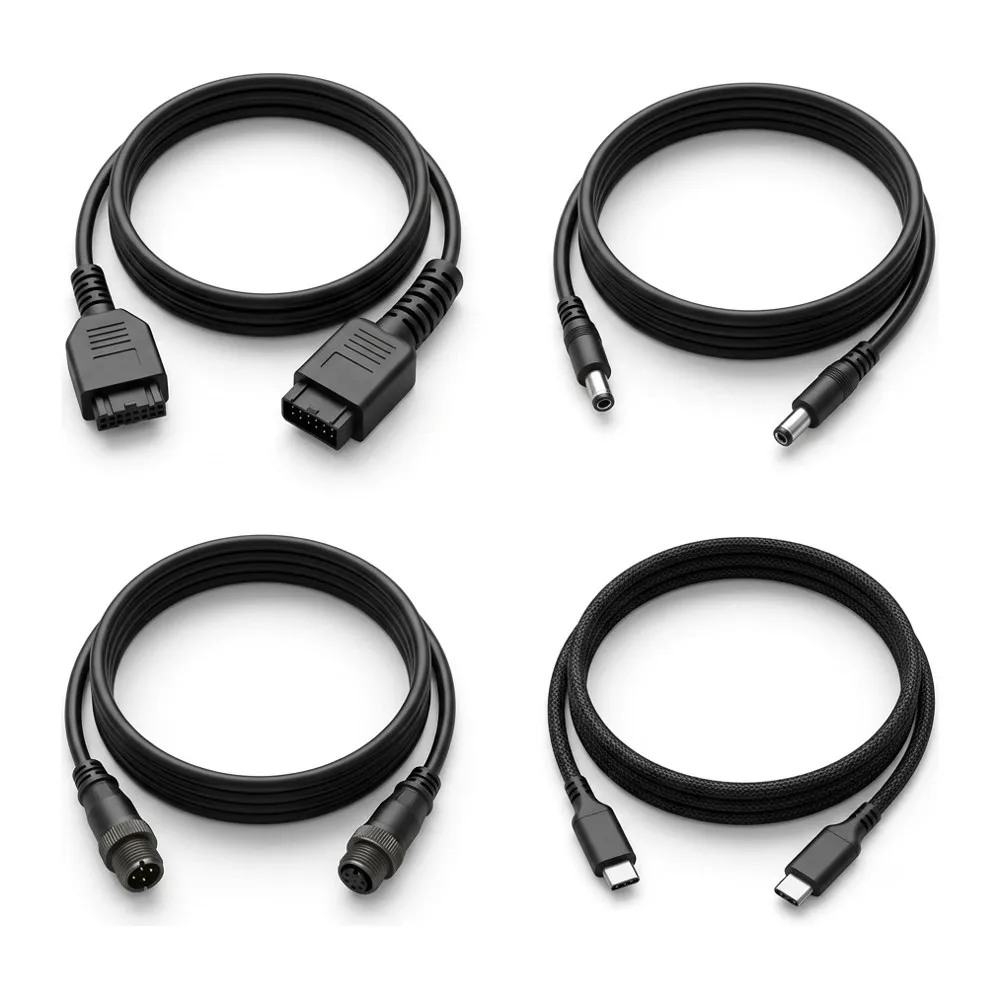 Custom cable assembliesBuilt to your drawing and A-620 class, in both origins, with the lot records.View →
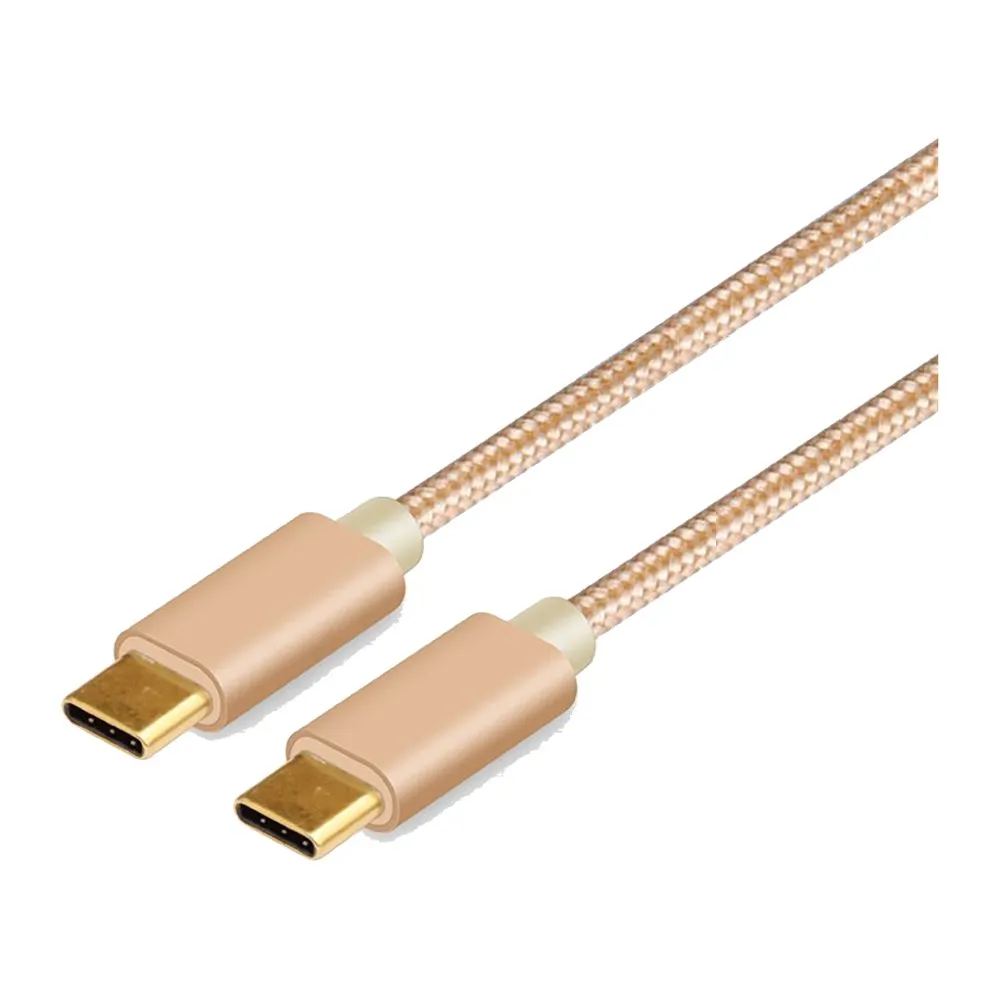 USB-C cablesUSB-C and high-speed data assemblies, terminated and tested to spec.View →
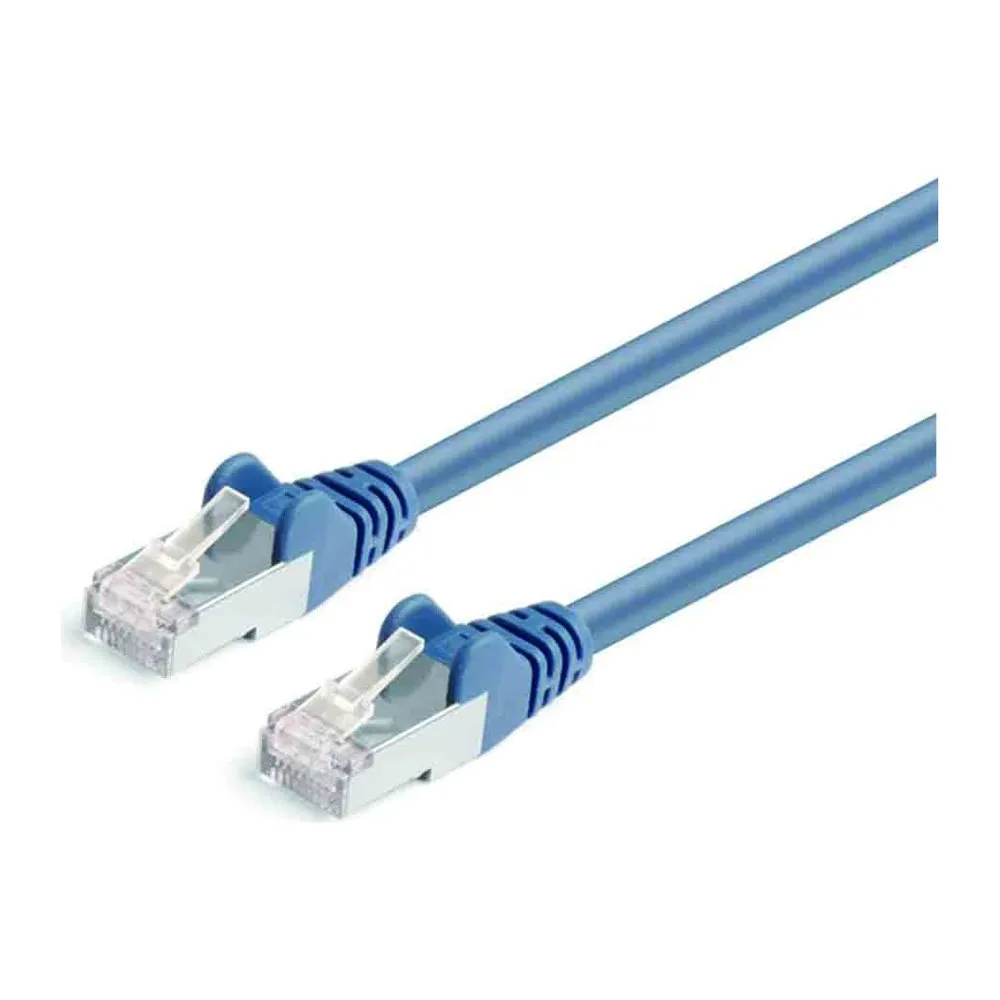 Ethernet / Cat cablesCat5e through Cat6a patch and bulk cable, to a real channel spec.View →
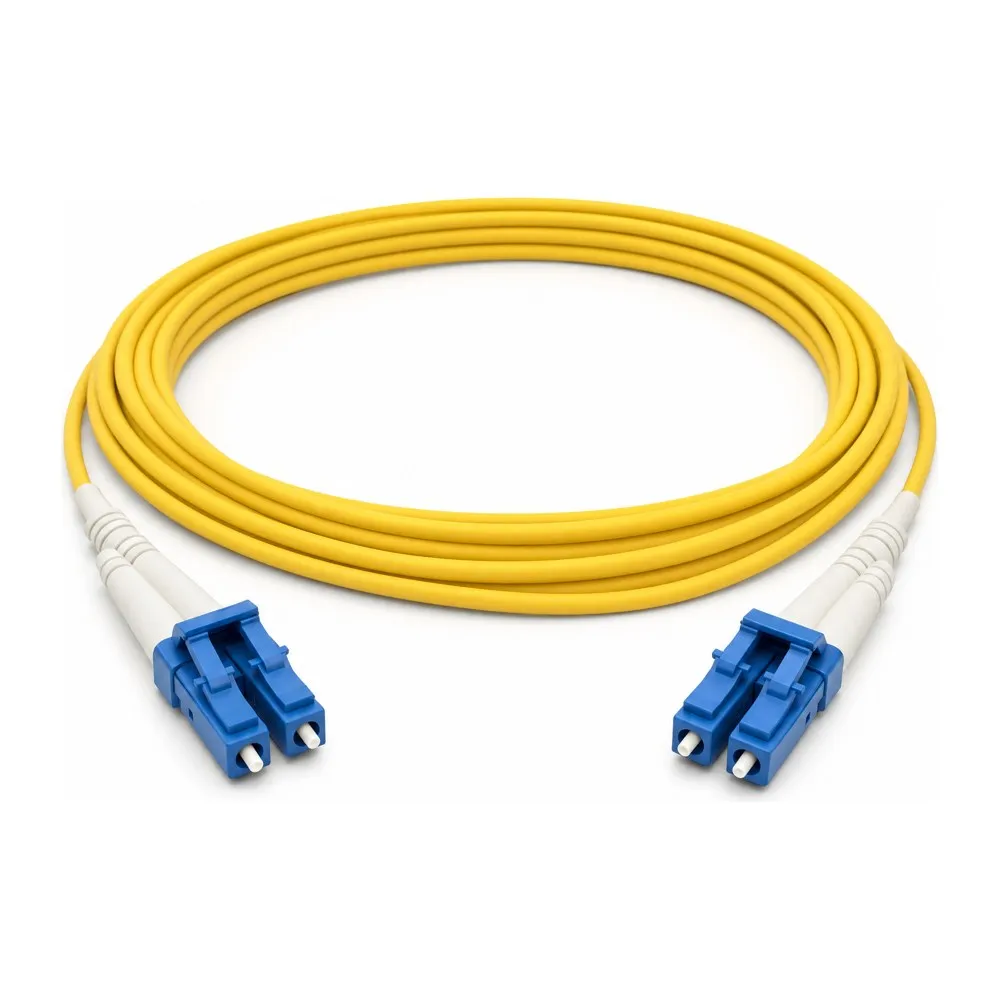 Fiber optic cablesSingle- and multimode assemblies and patch cords, terminated to spec.View →
Ready to source this to spec?
Kestner builds custom cable assemblies to your drawing in its own factories — the connectors, the A-620 class, the certs — and hands you the first-article report and the per-lot test records off the line that made them. One US company that owns the build and stands behind the paper.
Request a quote