Verified · updated monthly · changelog
Yes — if the charger is substantially transformed in Vietnam. Section 301 duties (25% on List 3, per 84 FR 20459) apply to goods of Chinese origin, and origin is set by where transformation occurs, not where the box is sealed. A genuinely Vietnamese charger drops the 25% List 3 Section 301: 37.5% becomes 12.5%.
What CBP checks
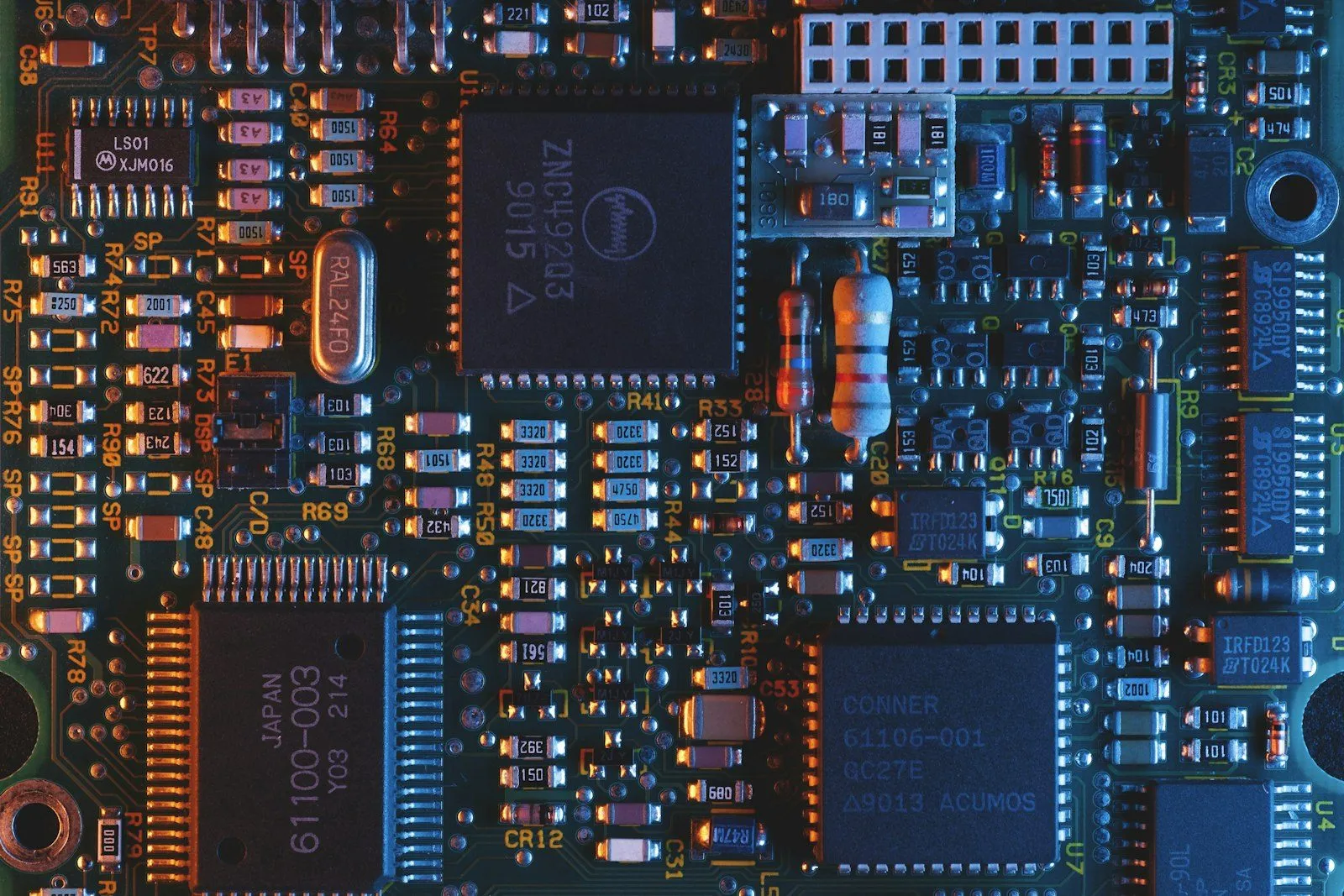
For switching power supplies, CBP looks at transformer winding, PCB assembly, and programming. If those happen in Vietnam, the charger is Vietnamese even with some Chinese components inside. If Vietnam only does final assembly and packaging of Chinese subassemblies, it is still Chinese — and entering it as Vietnamese is transshipment, assessed the full Chinese-origin rate with every layer reinstated, plus penalties. See how to verify a Vietnam country of origin for the documents that settle it.
What Vietnam origin does and doesn’t remove
The §301 forced-labor duty (12.5% as of ) applies to both origins. Vietnam origin removes the 25% List 3 §301 only.
| Layer | China | Vietnam | Removed by Vietnam origin? |
|---|---|---|---|
| Section 301 (List 3) | 25% | — | Yes |
| Section 301 forced-labor | 12.5% | 12.5% | No — applies to both origins |
| Effective, 8504.40.85 | 37.5% | 12.5% | 25-point difference = List 3 §301 |
For every layer and its authority, see the duty stack for power products.
Sources
- Section 301, List 3 — 25%84 FR 20459
- Section 301 forced-labor duty — 12.5%, eff. 2026-07-24 (replaced §122)USTR Section 301 (forced-labor action)
Frequently asked
Do chargers made in Vietnam avoid Section 301 tariffs?
Yes, the 25% List 3 Section 301 duty — if the charger is substantially transformed in Vietnam. That duty applies to goods of Chinese origin, and origin is set by where transformation occurs. A genuinely Vietnamese charger pays 12.5% instead of 37.5% — it drops the 25% List 3 layer but still carries the 12.5% Section 301 forced-labor duty, which applies to both origins.
What does CBP check to decide if a charger is Vietnamese?
For switching power supplies, CBP looks at where transformer winding, PCB assembly, and programming occur. If those happen in Vietnam, the charger is Vietnamese even with some Chinese components inside. If Vietnam only does final assembly and packaging of Chinese subassemblies, it remains Chinese origin.
What is the penalty for mislabeling a Chinese charger as Vietnamese?
Transshipment — entering Chinese-origin goods as Vietnamese — is assessed the full Chinese-origin rate with all duty layers reinstated, plus potential seizure and penalties. It is not a paperwork shortcut; CBP samples entries and the relabeling fails on inspection.
Changelog
We verify monthly whether or not anything changed, and say so. Corrections: write to us — fixes are published here with the date.
The tariff answer is only half of it.
Dropping the 25% layer is only legitimate if the charger is truly transformed in Vietnam. Kestner runs winding, board assembly, and programming in its own plants in Vietnam and China — and documents which origin your order carries, so the savings hold up when CBP samples the entry.
Request a quote